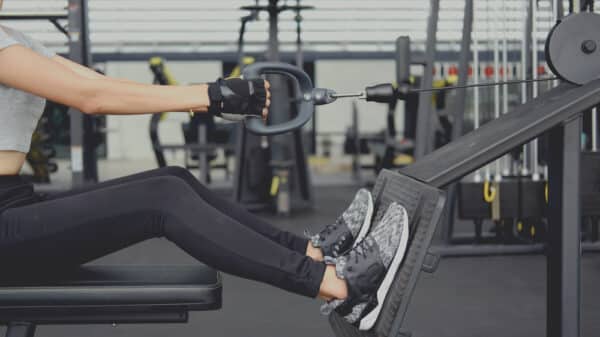




















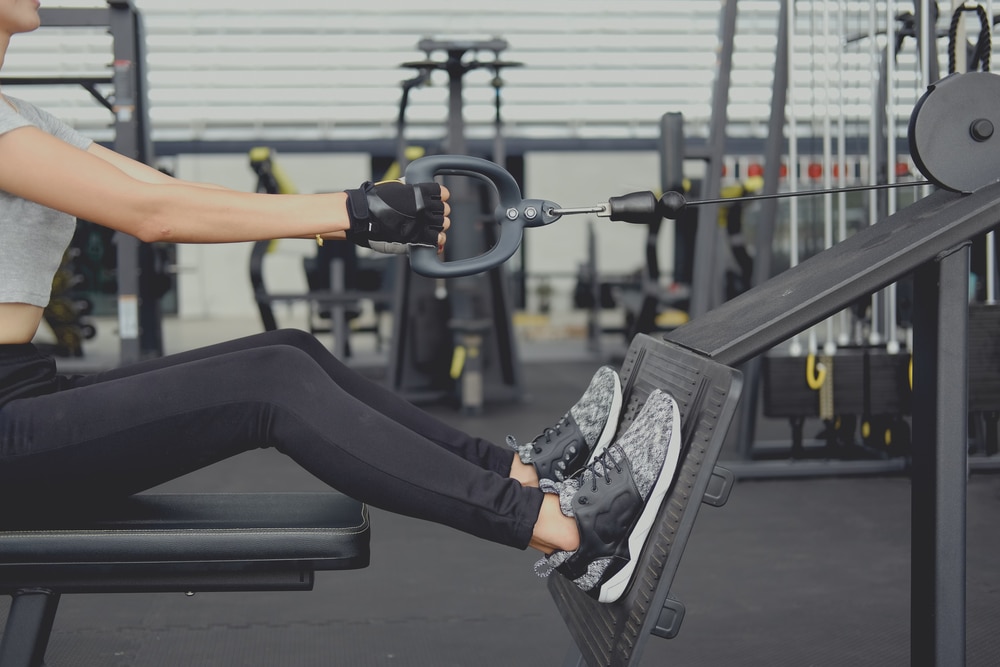
The standard face pull variation is an essential exercise for anyone committed to shoulder health, improved posture, and enhanced performance in pressing and pulling movements. Yet, the muscles in your shoulders, traps, and upper back are oriented at various angles. Concentrating solely on one angle in training could lead to missed opportunities for progress.
Many lifters default to just one or two face pull variations, which can cause some upper back muscles to be undertrained. You can avoid this by exploring a variety of face pull options. These 10 variations not only target your upper back from different angles but also promote scapular control and shoulder stability, all of which translate to improved performance both inside and outside the gym.
Focus on these exercises, and you will notice significant strength gains across your entire upper body.
Let’s delve into these 10 face pull variations designed to benefit your rear deltoids and upper back. First, I’ll explain the rationale behind choosing these specific variations.
Why You Should Incorporate Multiple Face Pull Variations
The variations listed here are nuanced adaptations of a similar movement. They keep your workouts fresh, help prevent overuse injuries, and allow you to customize each exercise to fit your needs. Here are five compelling reasons for their inclusion:
- Protect Your Press: Well-developed rear deltoids, lower traps, rhomboids, and external rotators offer crucial shoulder stability. Without this stability, pressing movements can turn challenging, stressing the shoulders. These variations promote scapular control and external rotation, key components that support greater strength in bench presses and overhead lifts.
- Boost Pulling Power: Inadequate movement and stabilization of your shoulder blades can hinder the power of your lats and upper back. These variations train scapular retraction, depression, and upward rotation, making your rows, deadlifts, and Olympic pulls feel more integrated and controlled.
- Consider the Angles: By altering cable height, grip position, and body orientation, you place different emphasis on the rear delts, mid traps, lower traps, and rotator cuff. This strategic variation fosters comprehensive development across the shoulder and upper back.
- Reduce Cheating: Certain variations minimize momentum, while others introduce instability. This combination enhances focus and intentional muscle contraction, leading to superior end-range control and fewer shoulder issues as the weights increase.
- Emphasize Progression Over Correction: These variations are not merely about rehabilitation; they can be loaded, paused, slowed down, or structured for hypertrophy and endurance. When executed effectively, face pulls prove to be a tool for performance enhancement, rather than just shoulder maintenance.
10 Face Pull Variations to Fortify Your Shoulders
When you’re prime for an upgrade in your face pull routine, consider trying these innovative variations.
Foam Roller Supine Face Pulls
As noted by Gareth Sapstead (MSc, CSCS), a strength coach known for developing elite athletes, this exercise emphasizes strict technique. “This is one of my go-to face pull variations,” Sapstead remarks, “especially when prioritizing quality of movement over load.”
For this version, lie supine with a foam roller alongside your spine, setting the cable at low to mid height and pulling towards your face.
Benefits
- Enhances scapular awareness and control.
- Focuses on rear delts and mid-traps while minimizing upper-trap dominance.
- Facilitates appropriate retraction and external rotation.”
Form Tip: “Avoid leaning back, using momentum, or jutting your neck forward while executing the reps,” warns Sapstead.
Sets & Reps: 2-3 sets of 10–20 reps.
High-to-Low Face Pull
This variation employs a cable set above head height, pulling down towards your forehead or upper chest. The downward angle enhances scapular depression and engages the lower traps.
Benefits:
- Strengthens lower traps and mid-back.
- Enhances overhead pressing stability.
- Stabilizes shoulder position under tension.
Form Tip: Pull your elbows slightly down and back rather than flaring them wide. Keep your chest elevated and imaginarily tuck your shoulder blades into your back pocket.
Sets & Reps: 2-3 sets of 15 reps.
Single-Arm Face Pull
This unilateral face pull involves using one handle or gripping the rope with one hand. Similar to other unilateral exercises, this method corrects left-right muscle imbalances and engages your core more effectively.
Benefits:
- Addresses lateral imbalances.
- Improves shoulder blade control.
- Enhances core activation.
Form Tip: Maintain engaged glutes, keep hips aligned, and prevent torso rotation throughout the movement.
Sets & Reps: 2-3 sets of 12 per side.
Rear Delt Face Pull
As emphasized by Matt Wenning of Wenning Strength, this intensity-driven face pull variation serves as a reminder that lifters often compromise form by turning face pulls into rows with a lean-back approach. Bands can be employed to target the rear delts during the last part of the movement. “Using bands for rear-delt face pulls is incredibly effective,” Wenning explains. “This targets the rear delts specifically instead of allowing momentum from the upper traps.”
Benefits:
- Facilitates better cooperation between scapula and posterior rotator cuff.
- Constant tension optimizes recruitment in the rear delts.
- Enhances scapular retraction and posterior shoulder development.
Form Tip: Conclude with elbows elevated, forearms externally rotated, pausing for 2 seconds before reversing the motion.
Sets & Reps: 3–4 sets of 8–12 strict reps.
Half-Kneeling Face Pull
Performed from a half-kneeling position, this variation increases core engagement, enhances hip mobility, and minimizes compensation. Reducing stability challenges you to engage more muscles for the same load.
Benefits:
- Improves connection between your core and shoulders.
- Reinforces upright posture.
- Enhances shoulder stability under strain.
Form Tip: Squeeze the glute of the down knee, keep your shoulders relaxed, and lock in your core throughout the exercise. Remember to alternate the knee down for each set.
Sets & Reps: 2–4 sets of 10 reps.
Banded Face Pull with Overhead Press
Dr. Bo Babenko from Colorado’s Fitcare Physiotherapy showcases the intricate link between shoulder health and this dynamic variation. Unlike a standard face pull, this integrated exercise incorporates upward rotation and pressing mechanics. “If the scapula doesn’t move well,” Babenko states, “the humerus will experience discomfort.”
This variation beautifully combines posterior shoulder activation with pressing mechanics, a connection often overlooked by many lifters.
Benefits:
- Promotes coordinated strength in the rear delts and serratus anterior.
- Reinforces comprehensive scapular movement patterns.
- Encourages favorable rib cage positioning during pressing tasks.
Form Tip: Keep ribs tucked down and prevent chest flaring; let your shoulder blades rotate instead of elevating.
Sets & Reps: 3 sets of 8 controlled reps.
Chest-Supported Face Pull
One common drawback of the standard face pull is that the load can pull you forward, shifting focus away from the rear delts and upper back. By performing the move while seated on an adjustable bench, you mitigate balance issues, allowing for stricter engagement of the target muscles.
Benefits:
- Ensures better muscle isolation.
- Improves the mind-muscle connection.
- Reduces the possibility of cheating.
Form Tip: Briefly pause at the goal post position before controlling the negative. Don’t hesitate to increase weight due to improved stability.
Sets & Reps: 3–4 sets of 8 reps.
TRX Face Pull with External Rotation
This variation integrates external rotation with the standard face pull. Adjust your distance from the anchor point to modify intensity. Many find this version increases strength due to added core stability challenges.
Benefits:
- Enhances scapular rhythm.
- Strengthens external rotators significantly.
- Increased instability necessitates proper form.
Form Tip: Tighten glutes, maintain pressure through your feet, and rotate your hands back at the peak of the movement.
Sets & Reps: 3 sets of 15 reps.
Incline Bench Cable Face Pull
This variation occurs on an inclined bench placed in front of a cable stack. The bench supports your torso, preventing leaning or compensatory movements from the lower body, thereby focusing the effort on rear delts, mid-traps, and external rotators.
Benefits:
- Provides superior isolation for rear delts.
- Eliminates compensatory movements.
- Excellent for building upper back thickness.
Form Tip: Keep your torso pressed against the bench and pause briefly before lowering under control.
Sets & Reps: 3 sets of 10-15 reps.
‘Heavy’ Face Pulls
The heavy face pull, developed by Mike T Nelson, Ph.D., CSCS, CISSN, enables you to use more weight while allowing for upper arm extension. In this variation, you pull toward your chest rather than your face, making it easier to load up.
Benefits:
- Enhances upper arm extension strength.
- Allows for heavier loading.
- Increases upper back activation.
Form tip: Nelson suggests using a monkey grip (thumb on the same side as fingers) for optimal engagement in your back while minimizing bicep involvement. Focus on driving your elbow towards the wall behind you.
Sets & Reps: 3 sets of 12-15 reps.