

















No single food holds the power to control your blood pressure alone, but including more foods rich in potassium can truly make a significant impact. These potassium-packed fruits can support healthy blood pressure levels and potentially help reduce it over time.
1. Bananas
Potassium: 452 milligrams per medium banana
Bananas are well-recognized as a potent source of potassium, and this is justified. Their high potassium content can help lower both the systolic (the top number) and diastolic (the bottom number) blood pressure readings by a few points. While the impact may seem modest, even slight reductions in blood pressure contribute to a decreased long-term risk of heart disease and stroke.
Beyond potassium, bananas offer over 3 grams of dietary fiber. This fiber from fruits like bananas has been linked to a lowered risk of heart and metabolic diseases, likely due to its favorable effects on blood pressure, cholesterol levels, and overall metabolic health.
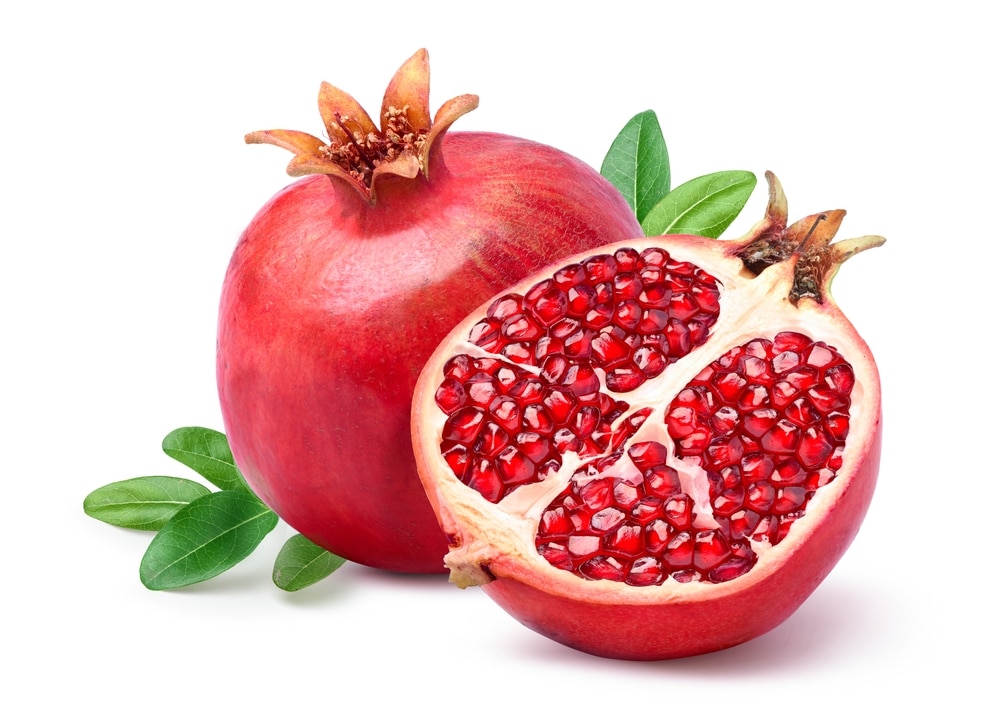
2. Pomegranate
Potassium:
333 milligrams per ½ pomegranate 267 milligrams per ½ cup of juice
Pomegranates and their juice are abundant in potassium and offer heart-healthy plant compounds.
Research indicates that regularly consuming pomegranates or their juice can lower both systolic and diastolic blood pressure levels. The most significant improvements occur in individuals starting with higher blood pressure readings. On average, studies show reductions of 5 to 8 points in systolic pressure and 2 to 3 points in diastolic pressure, marking a substantial advancement for heart health.
Additionally, a single pomegranate packs over 11 grams of fiber. It is high in polyphenols, which are natural antioxidants that may help relax blood vessels and inhibit an enzyme that contributes to rising blood pressure.
3. Kiwi
Potassium: 562 milligrams per serving (two kiwis)
This small yet mighty fruit is loaded with nutrients and may also aid in managing blood pressure. Research shows that eating two kiwis daily for several weeks can help lower both systolic and diastolic pressures. While the effects may not be highly dramatic, the consistent benefits observed in studies indicate that kiwi is a heart-healthy addition to your diet.
Kiwis not only contain potassium but are also rich in other beneficial compounds like polyphenols. Moreover, one serving provides more vitamin C than an orange, delivering 112 milligrams. Both polyphenols and vitamin C contribute to healthy blood circulation and reduced inflammation in blood vessels.
4. Avocado
Potassium: 182 milligrams per ¼ cup
Avocados may contribute to maintaining healthy blood pressure over time. Some studies suggest regular avocado consumers typically experience lower blood pressure levels, though this effect tends to evolve gradually rather than immediately. This gradual impact is particularly beneficial for long-term heart health and diminishing hypertension risks.
The blood pressure benefits likely stem from a multitude of nutrients. Avocados contain magnesium, a mineral involved in blood pressure regulation. They also deliver 4 grams of fiber and 8 grams of healthy fats per ¼ cup.
Together, these nutrients, along with potassium, promote cardiovascular health and may enhance blood pressure management with ongoing consumption.
5. Oranges
Potassium:
324 milligrams per orange 248 mg per ½ cup of orange juice
Oranges and other citrus fruits are excellent sources of potassium and have the potential to aid in lowering blood pressure. Studies reveal that individuals who regularly consume citrus fruits generally exhibit systolic blood pressure readings that are 3 to 4 points lower than those who do not include them in their diet.
Additionally, orange juice has been associated with small reductions in blood pressure, partly due to a plant compound called hesperidin. Hesperidin may contribute to improved blood vessel function and reductions in inflammation. Increased consumption tends to amplify these beneficial effects.
Why Potassium Matters for Blood Pressure
Potassium plays a vital role in blood pressure management by aiding the kidneys in excreting excess sodium. An increase in potassium intake prompts the kidneys to remove more sodium through urine, which reduces fluid retention in the body and eases pressure on blood vessels.
Insufficient potassium—especially when combined with high salt intake—can lead the body to retain more sodium, which ultimately raises blood pressure levels.
Obtaining potassium through whole foods is preferable to supplements unless a healthcare professional advises otherwise, particularly for those with kidney issues or other health conditions affecting potassium balance.