


















Foods labeled as “healthy” can often mislead consumers. Items like granola bars and gluten-free snacks frequently contain high levels of sugar, salt, fat, or fillers that undermine their nutritional promise.
Understanding the true contents of these products is important. Scrutinizing labels can empower you to make informed choices that genuinely support your health.
1. Granola and Protein Bars
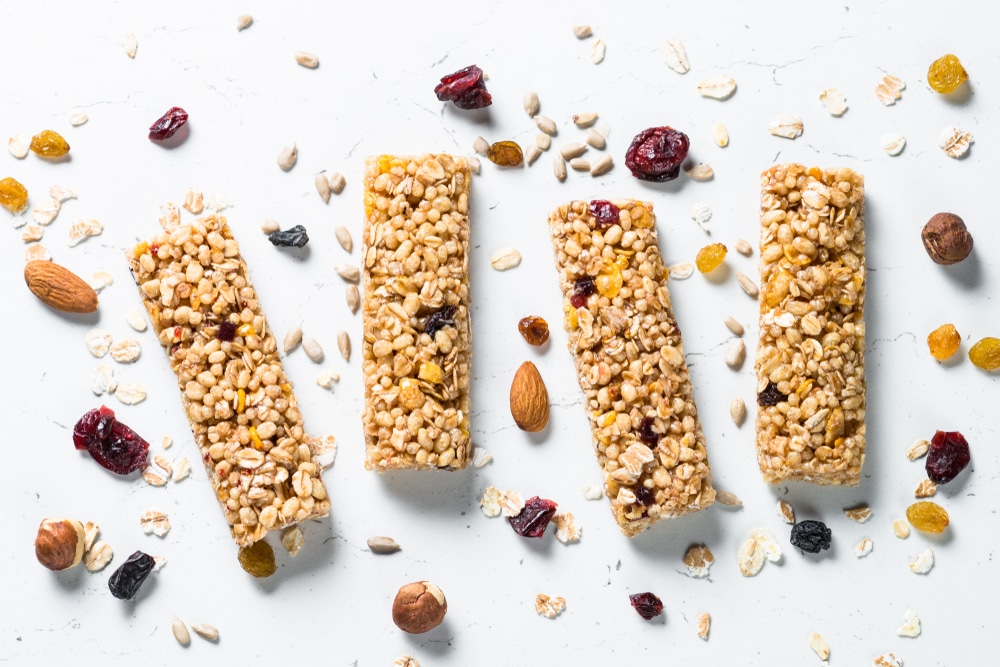
Granola is often perceived as a nutritious option. However, many packaged varieties contain more than just oats. They may include chocolate coatings, candied pieces, or added sweeteners.
Portion sizes can also be deceptive. Labels often suggest a 1/3- to 1/2-cup serving, making it easy to over-serve when you rely on visual estimation.
Protein bars face similar challenges. Depending on their protein source, they may lack real nutritional value. Many bars substitute artificial sweeteners to reduce overall sugar, which can lead to digestive issues for some individuals. Moreover, these bars may not align with your specific health requirements.
Creating granola or protein bars at home offers better control. Baking oats with simple ingredients lets you avoid added sugars, using fruits for natural sweetness, while including chopped nuts can enhance protein content without extra fillers.
When opting for store-bought options, it’s essential to read labels carefully. Choose bars with minimal ingredients. Instead of consuming a whole bowl of granola or an entire bar, consider sprinkling a small amount on Greek yogurt for added flavor and crunch.
2. Crunchy ‘Veggie’ Snacks
Chips marketed as vegetable-based may seem like a healthier option, but their labeling can be misleading. After all, even potato chips come from vegetables. Just because something is labeled as “veggie” does not guarantee it’s healthier.
Veggie straws, sticks, and chips are often fried and flavored with significant amounts of salt, placing them on par nutritionally with standard potato chips. Many of these snacks rely heavily on starches and may use vegetable powders primarily for color rather than nutrition.
For a quick, crunchy snack that retains the satisfying nature of chips and dip, try sliced vegetables like peppers or carrots paired with hummus. This approach still delivers the crunch you crave along with real nutritional benefits.
3. Bottled Smoothies and Açaí Bowls
Social media can portray açaí bowls as the ideal healthy breakfast, but they often contain more calories than nutrients. These bowls can be rich in sugar, carbs, fats, and even salt based on their ingredients. Large servings—even with “all-natural” components—can disrupt your daily nutrition goals.
Pre-made smoothies can also be deceiving. A single bottle may contain multiple servings, and many rely on juices or concentrates instead of whole fruits, offering less fiber than indicated on the label.
4. ‘Fat-Free,’ ‘Sugar-Free,’ and ‘Zero-Calorie’ Foods
Diet trends often promote items labeled as “fat-free,” “zero-calorie,” or “sugar-free,” even for those without medical reasons to cut sugar. These products rarely provide the nutritional value their labels suggest.
When fats, carbs, or calories are removed, the accompanying vitamins, minerals, fiber, and proteins typically vanish too. To compensate, many of these products use artificial ingredients to mimic texture and flavor.
5. Gluten-Free Products
Only individuals with celiac disease need to eliminate gluten from their diets. While some people with food allergies or gastrointestinal issues may avoid it, they do so to alleviate symptoms rather than enhance nutrition.
Gluten-free versions of bread, pasta, and other carbs aren’t automatically healthier options. They do not guarantee weight loss or improved blood pressure or blood sugar levels.
These gluten-free alternatives still contain carbohydrates and often depend on refined starches such as rice, potato, and tapioca flour. Many gluten-free breads and snacks can even carry more calories than their gluten-containing counterparts and may lack the whole grains essential for fiber and protein.
6. Plant-Based ‘Meat’ and ‘Milk’
A substantial number of vegetarian and vegan options are highly processed. They frequently contain extra fats, sodium, sugars, and unusual ingredients intended to replicate the taste and texture of meat or dairy.
If you’re exploring plant-based protein alternatives, remember not all “milks” or meat substitutes deliver comparable protein quality or quantity. Always check ingredient lists and nutrition labels to ensure they align with your dietary needs.
Additionally, look for crucial vitamins and minerals you typically obtain from meat or dairy. Choosing fortified options can help bridge those nutritional gaps without relying on unnecessary fillers, salt, or sugar.