




















Behind the scenes of international passenger-rights laws lies a system that can empower travelers far more than airlines typically acknowledge.
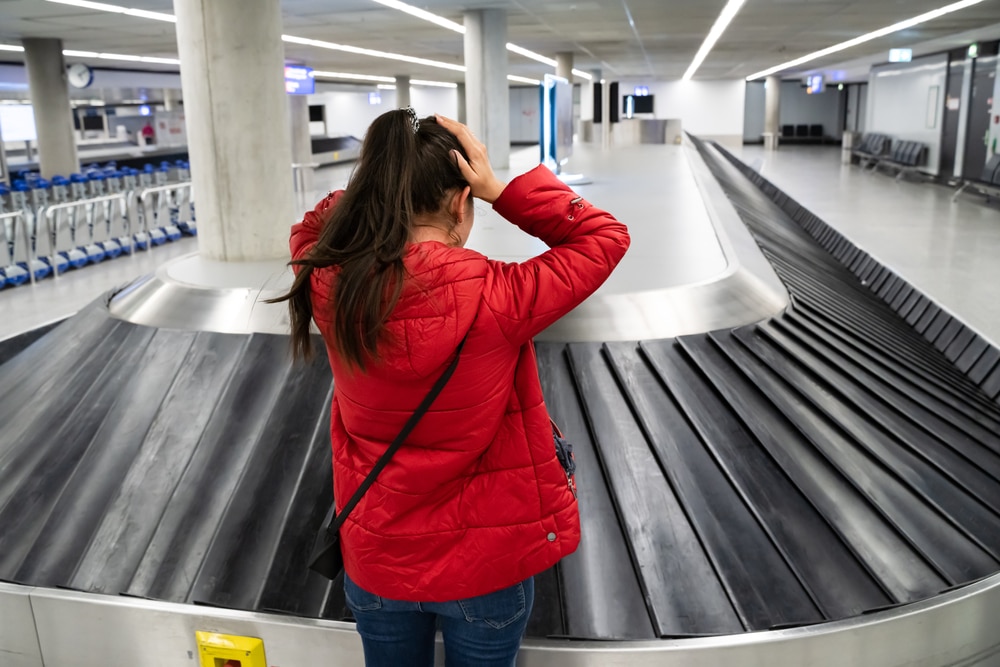
When my suitcase finally reappeared—three days after I got back home and was already on my way to another assignment—I realized I had spent the entire 15-day work trip in Portugal without anything I had packed.
The bag never boarded my flight from Dulles to Lisbon. It sat in Lisbon Airport for most of my trip and shockingly never reached me, despite daily calls and constant assurances from TAP Air Portugal that it would. As I was occupied with shooting photos during the trip, my camera equipment filled my carry-on, leaving all my clothing and toiletries in that checked bag. This meant I had to spend nearly two weeks piecing together a functional wardrobe while maintaining a full work schedule. TAP initially offered a reimbursement of just $800, an amount far from covering the basics I had to purchase.
It’s in those moments—when an airline’s “final offer” falls significantly short of the reality of your experience—where many travelers throw in the towel. However, nestled in international passenger-rights law is a framework that offers travelers much more leverage than airlines would like you to think. By staying organized, referencing the governing regulations regarding delayed baggage, and rejecting a meager payout, I managed to persuade TAP to raise my reimbursement to $2,200—almost triple the original offer. This narrative details how I achieved this outcome and how more travelers can follow suit.
The Lost Luggage Incident
The lost luggage saga kicked off the moment I landed in Lisbon. I filed a report at the counter, requesting my bag be delivered to my hotel. Yet, a clerical error led the agent to document my file as if I would collect the bag myself—impossible since I was flying to Porto the next morning, and my bag wouldn’t arrive for at least another day. This trivial mistake escalated into not seeing my luggage again until after I returned home.
Each day of my stay, I contacted TAP for updates. Each time, they assured me that my bag would arrive “later today.” That never happened. I continually updated my hotel information in their system, only to find agents contradicting each other. One even confidently stated that my bag had been delivered to the U.S. five days earlier—a claim that, unless she had access to a time machine, was impossible.
Meanwhile, I had reporting to conduct. Since I carried my cameras onboard, everything else—business dresses for meetings, undergarments, pajamas, toiletries, shoes—was in the suitcase that was missing. I had to replace essentials to maintain a presentable appearance while minimizing costs. I bought fewer toiletries than usual, opted for budget-friendly clothing, and made do with items that would carry me through each day rather than focusing on comfort or style. Just hours before my scheduled flight home, I desperately searched for a suitcase to bring everything back—a purchase in the several-hundreds of dollars range that I didn’t want to make, but had no choice.
The Insufficient Offer
All of this—plus more than 40 hours spent on the phone with TAP—overshadowed the trip.
Upon returning to the U.S. (and immediately heading into another work trip), I submitted my reimbursement claim, which included a detailed list of the items I had to replace, the reasons for their necessity, and the receipts for verification. After tax, the total exceeded $2,300.
In response, TAP emailed stating, “The receipts you shared are too high,” and offered me a mere $800 in reimbursement.
Having proper documentation—and a solid understanding of my rights under the Montreal Convention—made that lowball offer unacceptable.
Instead of firing off an angry email, I crafted a firm, factual response outlining precisely why their offer was insufficient. Here’s what I conveyed to TAP:
“Thank you for your response, but the proposed reimbursement fails to cover the necessary, documented expenses I incurred due to this significant disruption.
“To clarify: TAP did not return my baggage for the entirety of my 15-day business trip. Consequently, I had no choice but to purchase essential items—including clothing suitable for meetings, toiletries, and other daily needs—to fulfill my work obligations without the contents of my checked luggage.
“All expenses submitted were both reasonable and necessary under the circumstances with full documentation. They fall well within what is typically accepted by TAP and other international airlines in similar situations. Such reimbursement should accurately reflect the genuine disruption experienced—not a nominal or arbitrary sum.
“As TAP is aware, under the Montreal Convention (Article 19) and reiterated by TAP’s Customer Service Plan (May 2023), passengers have the right to be reimbursed for expenses resulting from delayed baggage. This is not simply a goodwill gesture—it is a legal requirement. Your current offer does not align with the actual hardship caused by the delay, nor does it uphold the standard of care prescribed in international passenger rights law.
“I urge TAP to re-evaluate my claim and return the full amount submitted. I trust TAP will recognize the importance of fulfilling this obligation and resolve the issue appropriately.
Thank you for your attention to this matter. I look forward to a swift and fair resolution.”
It wasn’t a rant. It wasn’t a threat. It was factual, detailed, and anchored in TAP’s own obligations, clarifying why their initial offer did not fulfill the standard. Yet, it took two follow-ups and nearly two months before TAP increased the reimbursement offer to $2,193.
While this didn’t erase the stress or the reality that my bag was left in Lisbon Airport for most of my trip amid TAP’s continuous misinformation, it did ensure I was compensated fairly as stipulated by law.
Staying Resilient
This entire experience taught me a critical lesson: airlines often rely on passengers’ ignorance of their rights or their reluctance to deal with the complications. Many accept the first offer simply because it seems easier. I didn’t secure a higher reimbursement from sheer aggression. I did so by staying organized, holding them accountable to the regulations that govern their procedures, and refusing to accept an offer that was far removed from my reality.
If your luggage is missing for days—or, as in my case, the entire duration of an international work trip—you possess every right to be compensated for reasonable expenses incurred to replace necessary items.