


















Key Takeaways
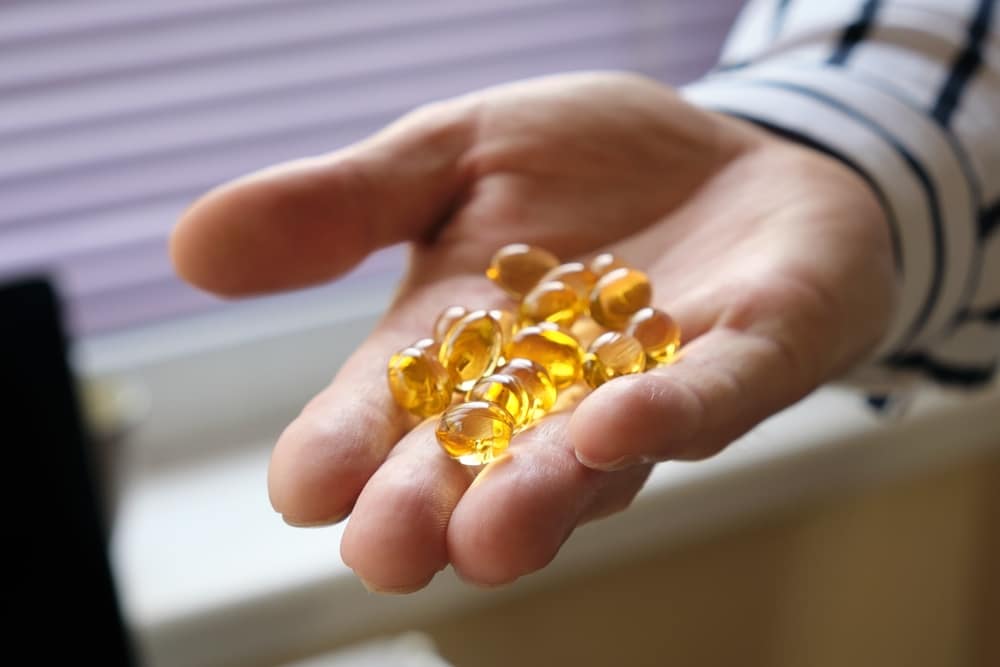
Vitamin D2 supplements may reduce vitamin D3 levels in the blood, which is the form the body can utilize more effectively.
Vitamin D2 is typically sourced from plants, whereas D3 is animal-based, creating access challenges for individuals following a vegan diet.
Adults generally require only 600-800 IU of vitamin D each day, and excessive intake can lead to significant health issues.
A recent study indicates that vitamin D2 supplements might decrease blood concentrations of vitamin D3, a more usable form of vitamin D for our bodies.
For many adults, obtaining adequate vitamin D solely from dietary sources proves challenging. Therefore, sunlight exposure and supplementation are crucial for maintaining healthy bones, immune functions, muscles, and nerves.
What the Study Found
The systematic review analyzed data from 1,080 participants across 20 studies. Those who took vitamin D2 supplements showed a decrease of 18 nanomoles per liter (nmol/L) in blood levels of vitamin D3 when compared to those who did not supplement.
“Although this drop does not necessarily put people at risk for deficiency, it is still quite considerable,” noted Emily Brown, ANutr, the lead researcher from the University of Surrey.
Blood levels below 30 nmol/L can lead to adverse health results.
Prior research indicates that vitamin D3 is more effective at raising overall vitamin D concentrations and may offer additional immune health benefits.
“While it is acceptable to supplement with vitamin D2, D3 is more favorable for the body due to its efficiency,” stated Brown.
Should You Stop Taking Vitamin D2 Supplements?
Vitamin D2 is derived from plant sources, while D3 is typically found in animal products. This distinction limits accessibility for those adhering to plant-based diets.
However, specialists advise against discontinuing D2 supplements.
“From a plant-based perspective, supplementing with vitamin D is essential when necessary, especially after consulting with a healthcare provider. It’s your choice whether to opt for D2 or D3,” emphasized Sue-Ellen Anderson-Haynes, MS, RDN, a registered dietitian and spokesperson for the Academy of Nutrition and Dietetics.
For a plant-based diet, options like mushrooms, fortified soy milk, or fish such as salmon can help meet vitamin D requirements. Additionally, there are vegan D3 supplements sourced from lichen, a type of algae and fungus, available on the market.
Best Food Sources of Vitamin D
Healthcare professionals often prefer whole food sources over supplements. Nevertheless, very few foods are naturally high in vitamin D, as highlighted by Ashlee Carnahan, MS, RDN, CLC, manager of Nutrition and Education Services at Henry Ford Hospital.
In the U.S., most dietary vitamin D comes from fortified foods, such as:
Dairy milks
Plant-based milks
Cereals
Naturally rich food sources of vitamin D include:
Fatty fish like salmon and trout
Mushrooms like shiitake and chanterelle
Eggs
Supplements can be beneficial when adequate sun exposure or dietary intake isn’t attainable.
How Much Vitamin D Do You Really Need?
The required vitamin D intake may be lower than you believe.
“Small to moderate quantities of vitamin D suffice for good health since its metabolism is closely regulated by the body,” explained JoAnn E. Manson, MD, MPH, DrPH, a professor of medicine at Harvard Medical School.
Adults typically need between 600 and 800 International Units (IU) daily. While dietary sources and sunlight can contribute, individuals with darker skin produce less vitamin D from sun exposure, and many struggle to meet their needs during winter months.
Utilizing supplements can help bridge this gap, yet excessive intake may pose risks. Recent findings indicate that numerous U.S. adults consume over 1,000 IU daily, with some exceeding the 4,000 IU upper limit.
Consuming excessively high doses can lead to nausea, confusion, dehydration, and even kidney stones.