


















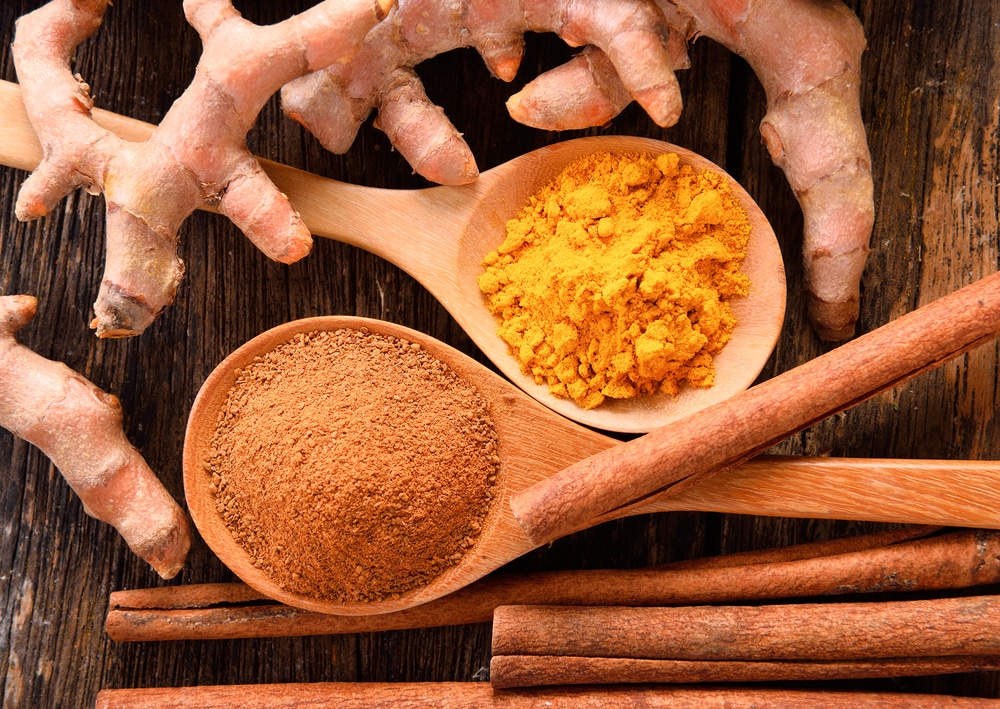
Key Takeaways
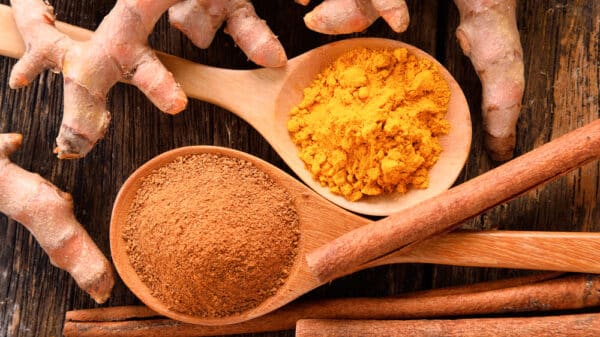
Turmeric and cinnamon are powerful ingredients that boast anti-inflammatory properties.
Curcumin, found in turmeric, acts as a potent antioxidant, while cinnamaldehyde is the active compound in cinnamon.
Turmeric’s anti-inflammatory benefits are better documented, but cinnamon is believed to pack a stronger antioxidant punch.
Making small updates to your meals can help decrease overall inflammation throughout your body.
Both spices provide unique anti-inflammatory benefits due to their individual compounds.
Currently, there hasn’t been a direct study comparing the anti-inflammatory effects of these two spices. However, turmeric has more extensive research backing its efficacy.
Both Turmeric and Cinnamon Are Anti-Inflammatory
Both cinnamon and turmeric contain anti-inflammatory compounds.
According to Dana Hunnes, PhD, MPH, RD, a senior clinical dietitian at Ronald Reagan UCLA Medical Center, “Both spices do have anti-inflammatory compounds.”
Turmeric is widely recognized for its ability to combat inflammation by reducing inflammatory cytokines.
Cinnamon offers similar anti-inflammatory benefits, making either choice a healthy one.
Antioxidants play a critical role in reducing inflammation.
Antioxidants work by neutralizing free radicals within the body.
When free radicals outnumber antioxidants, oxidative stress occurs, which can lead to inflammation.
Stephani Johnson, RDN, DCN, adjunct professor at Rutgers School of Health Professions, explains the connection clearly.
They Contain Different Anti-Inflammatory Compounds
Turmeric boasts curcumin as its main antioxidant, while cinnamon’s key component is cinnamaldehyde.
Both have the potential to alleviate inflammation, but neither should replace any medication or treatments your doctor recommends.
More Research Supports the Anti-Inflammatory Effects of Turmeric
Determining whether turmeric or cinnamon is superior for inflammation relief is complex.
Johnson mentions, “There are no studies directly comparing the effects of turmeric and cinnamon on inflammatory markers in humans. A head-to-head study would provide clarity.”
However, the research supporting turmeric’s effects on inflammatory markers is more compelling than that for cinnamon.
It’s crucial to keep in mind that supplemental dosages used in studies far exceed what you’d consume through daily meals.
Cinnamon May Have More Antioxidants Than Turmeric
The comparison of antioxidant levels between the two spices is similarly unclear.
“Laboratory testing complicates this issue, as the form of the spice and testing methodology influence antioxidant measurements,” Johnson notes.
Nevertheless, it is generally thought that cinnamon exhibits greater antioxidant activity than turmeric, despite turmeric having more extensive studies.
It’s essential to recognize that lab measurements don’t necessarily indicate clinical significance. Factors such as absorption and the quantity consumed also affect antioxidant activity.
How Much Turmeric or Cinnamon Should You Consume?
In moderation, adding these spices to your everyday meals is usually safe.
Johnson says, “Using turmeric and cinnamon in typical culinary amounts is generally safe. However, consuming excessive amounts, especially in concentrated forms, can lead to health issues.”
It can be challenging to suggest a specific amount to use in your meals or as supplements to reduce inflammation.
Research offers general guidance; one study indicated that 1,000 to 2,000 milligrams of turmeric daily might reduce inflammation.
This is equivalent to about 1-2 grams a day. For perspective, one teaspoon of turmeric weighs roughly two grams.
For cinnamon, research suggests that adding approximately one gram (about half a teaspoon) to your daily diet may have beneficial effects.
Generally, the benefits of including these spices far outweigh the drawbacks, unless you have a highly sensitive gastrointestinal system.