



















Understanding the Connection Between Potatoes and Diabetes Risk
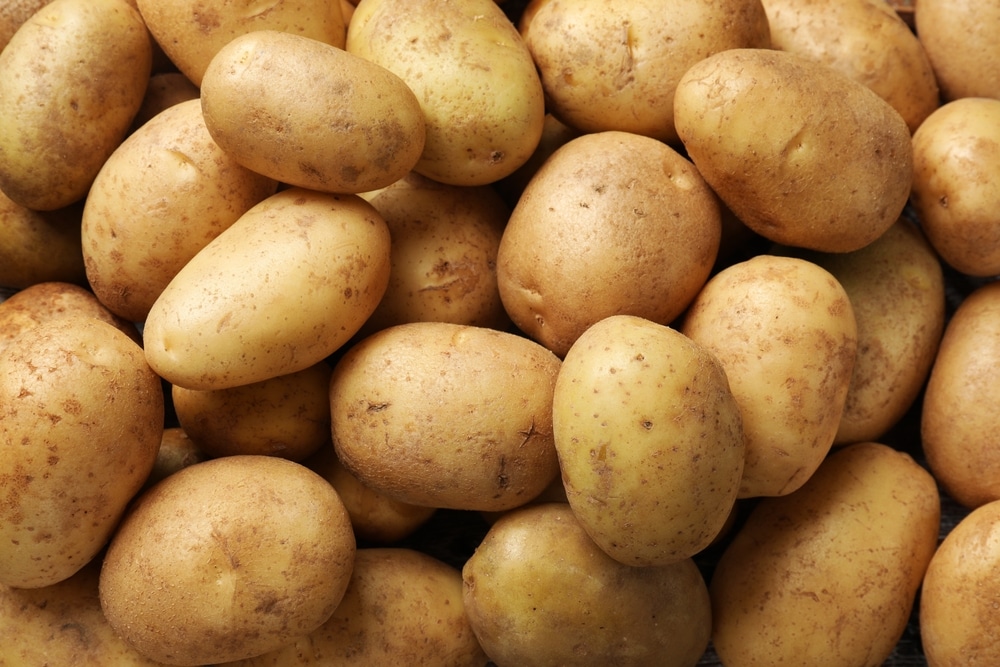
The relationship between white potatoes and the risk of developing diabetes has stirred considerable debate among health professionals and researchers. Concerns gained traction in 2006 when a significant study—the Harvard Nurses’ Health Study—indicated an association between high potato consumption and an increased likelihood of type 2 diabetes among participants. It’s essential to look deeper into the types of potatoes consumed and how culinary preparation might impact this association.
The Problem with Potato Consumption
In the United States, the average individual consumes about 100 pounds of potatoes annually, with a substantial portion in the form of fried products such as potato chips and french fries. Initial findings suggested that not only were these processed varieties linked to diabetes risk, but even seemingly healthier preparations like baked or mashed potatoes were associated with an increased risk. The question thus arises: what else are potato consumers eating?
Research indicates that those who frequently consume potatoes often include other calorie-dense foods, particularly meat. Since animal proteins have been noted to correlate with a higher risk of diabetes, it complicates the question of whether potatoes themselves are a direct contributor. Even after adjusting for various dietary factors, the ongoing association remains intriguing.
Examining Culinary Influences
Another aspect to consider is what accompanies baked or mashed potatoes in culinary settings. Common additions like butter and sour cream can further influence health outcomes. Studies attempted to account for these elements, but the persistent link between potato consumption and diabetes risk still raised eyebrows among researchers.
Broader Research Perspectives
In advancing research, a 2015 study involving both male and female cohorts also revealed a subtle increase in diabetes risk tied to the consumption of different potato forms—specifically, boiled, baked, or mashed. French fries, however, present a much starker risk, being nearly five times more detrimental. This finding prompts critical reflection on how dietary classifications perceive potatoes as healthy vegetables when they may share more traits with sugary treats.
Meta-Analyses and Global Perspectives
A comprehensive meta-analysis conducted in 2018 synthesized data from multiple studies and pinpointed a 20% increase in diabetes risk for each serving of potatoes consumed daily. Interestingly, most studies accounted primarily for fried potatoes rather than non-fried varieties. This oversight highlights the need for a differentiated approach when assessing the effects of potato consumption.
In a fascinating twist, the largest producer of frozen french fries countered these conclusions, positing that potato effects on health may depend on dietary patterns rather than the vegetable itself. While observational studies have their limitations—especially in establishing direct cause and effect—this perspective underscores the complexity of dietary influences on health outcomes.
International Findings and Dietary Patterns
To further distill these findings, researchers conducted studies in regions like Iran, where traditional diets predominantly feature boiled potatoes alongside a variety of whole plant foods. Findings from these studies showed that participants consuming boiled potatoes had significantly lower odds of developing diabetes. This evidence reinforces the idea that dietary context matters profoundly—suggesting that in environments where potatoes are consumed in healthier forms alongside nutritious foods, they may not pose the same risks.
Final Thoughts
In conclusion, while current evidence raises valid concerns regarding potato consumption and its link to type 2 diabetes, particularly with unhealthy preparations like fries, it does not necessarily condemn all forms of potatoes. More research is essential to distinguish between different types of potato consumption and their various health implications. Meanwhile, maintaining a well-rounded diet rich in whole foods may mitigate any potential risks associated with potatoes. As the debate continues, one prudent takeaway may be to limit fried varieties while enjoying potatoes as part of a balanced diet.