




















The evolution of train infrastructure has been remarkable since the early 1800s, and yet the significance of rail travel continues to hold strong. While trains have indeed transformed over the past two centuries, advancements are consistently made to enhance efficiency, speed, and connectivity to a growing range of destinations.
High-speed rail networks have proliferated across Europe and Asia, with initiatives in Europe aiming to link all major cities through these ultra-fast services. Meanwhile, African nations are also making strides in this arena.
In a significant move, Egypt unveiled ambitious plans in 2018 to establish a super-fast railway network that stretches approximately 2,000 kilometers, connecting the Mediterranean Sea with the Red Sea. This project is marked as the most substantial upgrade to the country’s railway infrastructure in over six decades, with over 10 international companies collaborating to bring this vision to fruition.
This high-speed network promises to bridge urban centers with rural communities that have historically experienced isolation. With trains reaching speeds of up to 250 kilometers per hour, travel times will drastically decrease, and freight capacity is expected to soar by an impressive 46 percent.
As with any colossal infrastructure endeavor, progress is gradual. The planned network will feature three main lines, beginning with the first connecting Ain Sokhna, a coastal town situated at the northern tip of the Red Sea, to Marsa Matrouh on the Mediterranean. Recent updates confirm that work on this leg of the project is over halfway complete. Officials have emphasized that upon operation, this network will be pivotal for urban development, industrial growth, and boosting tourism.
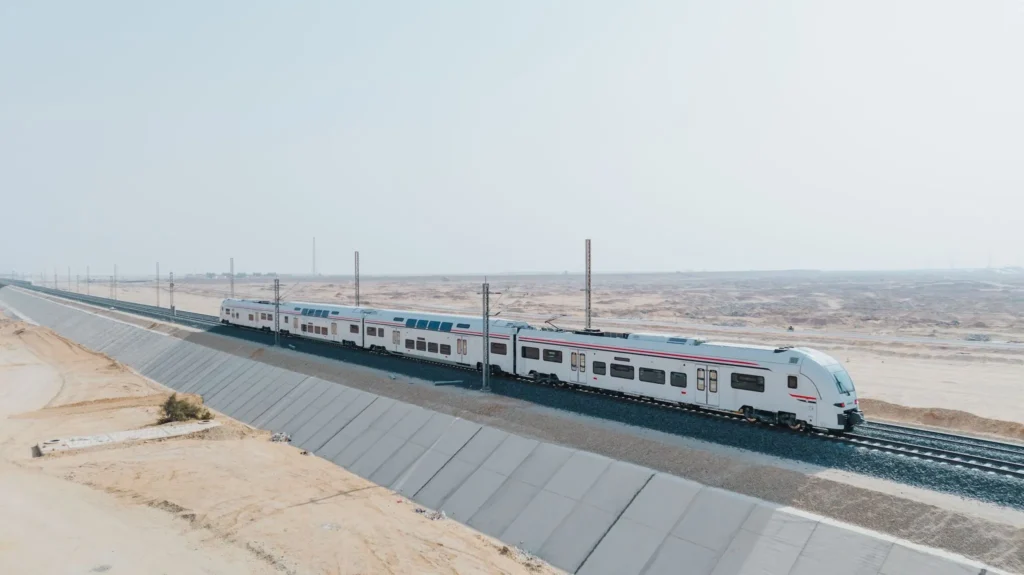
Desiro HC regional train | Photograph: Siemens Mobility
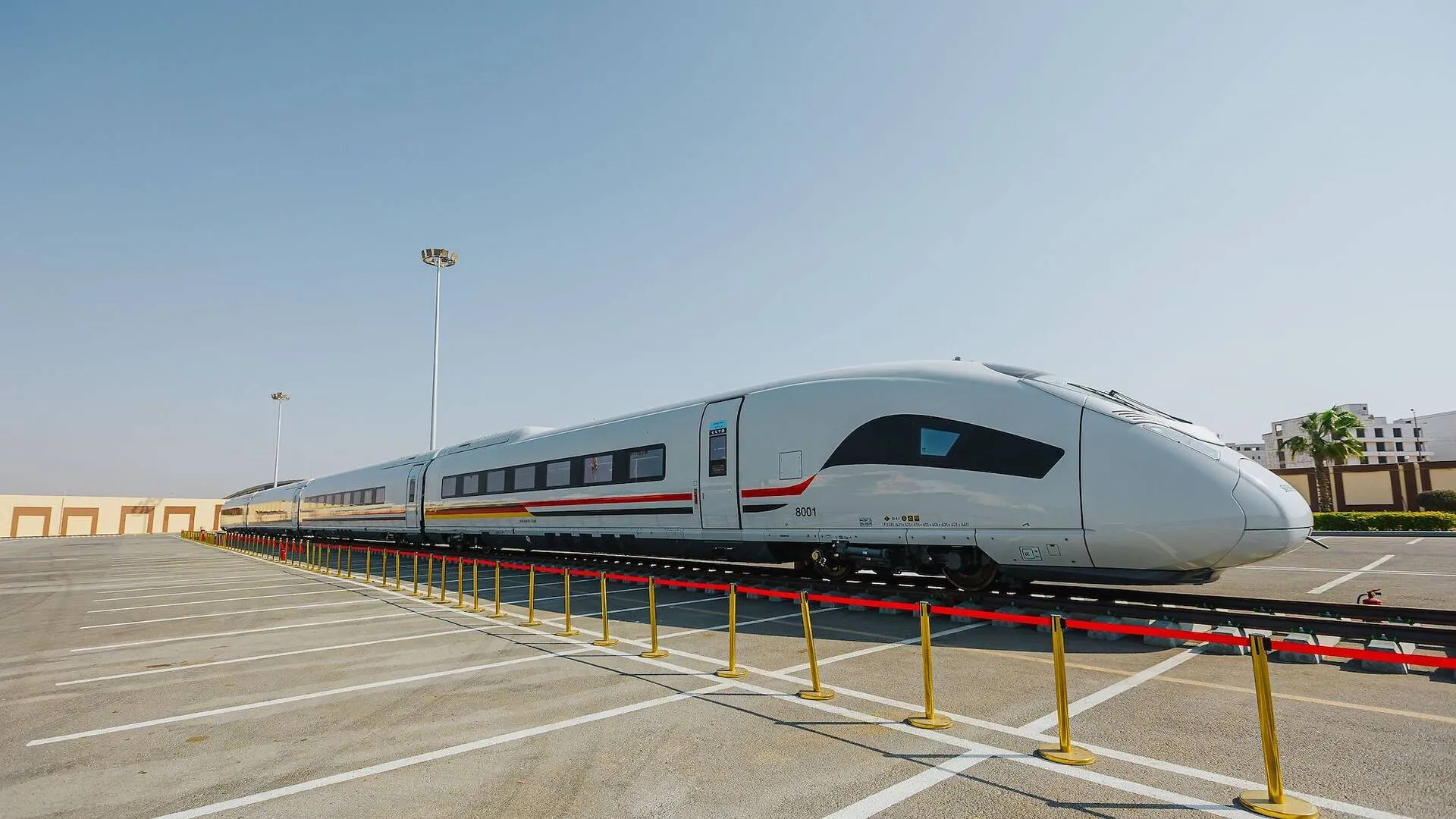
On November 9 of this year, the project developers showcased images of the specially designed train carriages for this innovative network. The cutting-edge locomotives are engineered to endure the extreme desert climate they will navigate. Egypt’s Deputy Prime Minister for Transport and Industry, Kamel El-Wazir, commented that this new generation of trains aims to ‘redefine passenger experience’—suggesting a focus not just on speed but also on comfort and convenience.
The subsequent phases of the project will commence once the initial line is operational, although exact launch dates remain in flux. Anticipation is building, with many hopeful that at least a portion of the network will be in use by 2030.
Currently, Morocco is the only African nation with a high-speed railway connecting Tangier and Casablanca. If all goes according to plan, Egypt could soon follow suit, positioning itself as the second African nation with such advanced rail infrastructure. Nonetheless, competition is brewing as Nigeria is also investing heavily in its own high-speed rail initiatives.
The prospects of these transformative railway projects offer enormous implications not just for local economies but also for international travel and trade. Providing a smoother and quicker journey is likely to attract tourism and stimulate various sectors. As we look toward the future, the journey of Africa’s railway advancements promises to be both exciting and influential on a continental scale.