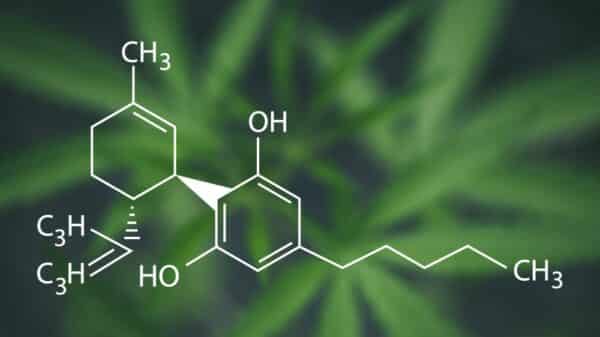

















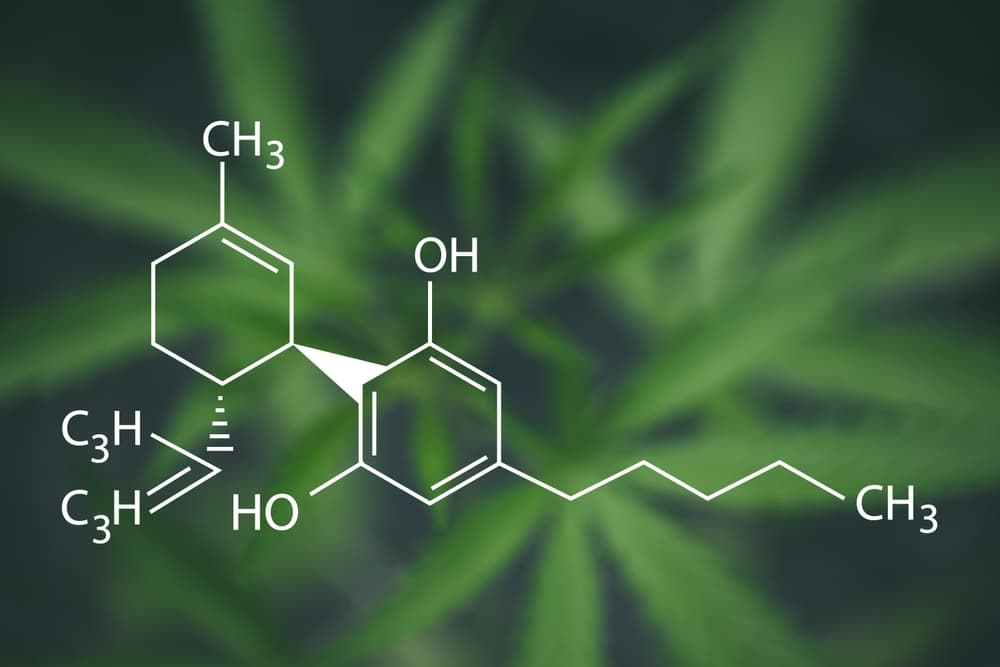
Cannabidiol (CBD) and Cannabigerol (CBG) are non-psychoactive compounds in cannabis that have gained attention for their roles in reducing anxiety and providing pain relief. Emerging research suggests these compounds may play an essential role in addressing a prevalent health concern—fatty liver disease, one of the most common liver conditions worldwide.
Understanding Fatty Liver Disease (MASLD)
Fatty liver, clinically referred to as Metabolic Dysfunction Associated Steatotic Liver Disease (MASLD), affects approximately one-third of adults globally. An accumulation of fat in the liver can arise from poor lifestyle habits, including excessive eating or alcohol consumption, potentially leading to scarring and cirrhosis, which disrupt the liver’s normal functioning.
One of the liver’s remarkable traits is its ability to regenerate. With proper intervention, fatty liver can often be reversed by reducing stress and inflammation and adopting healthier dietary and lifestyle choices. However, for many individuals facing addiction or mental health challenges, making these changes can feel daunting. This is where the recent findings from a study by the HU School of Pharmacy, published by the British Pharmacological Society, become intriguing. Researchers discovered that CBD and CBG show beneficial effects on liver health through a mechanism called metabolic remodeling. This opens the door to the possibility of using plant-based treatments in combating fatty liver disease. “Our findings identify a new mechanism by which CBD and CBG enhance hepatic energy and lysosomal function,” stated Professor Tam, who led the research. “This dual metabolic remodeling contributes to improved liver lipid handling and highlights these compounds as promising therapeutic agents for MASLD.”
How CBD and CBG May Combat Fatty Liver
Research indicates that administering CBD and CBG significantly impacts the liver’s ability to sustain energy during stress. When exposed to unfavorable lifestyle conditions, these compounds can enhance the liver’s phosphocreatine levels, which serve as a backup energy supply, particularly amidst a high-fat diet. This finding is particularly valuable, as the liver typically doesn’t rely on this system for energy provision.
Moreover, CBD and CBG facilitate the restoration of enzymes known as cathepsins. These enzymes play a crucial role in detoxifying the liver, so boosting their activity is vital for eliminating harmful fats and toxins. Both compounds also effectively target detrimental lipids, such as triglycerides and ceramides. A buildup of ceramides raises concerns as it is linked to insulin resistance.
According to the study, while both compounds proved beneficial individually, they each offered unique advantages for metabolic health. Both CBD and CBG helped normalize blood sugar levels and enhance glucose clearance. Notably, CBG demonstrated a more pronounced impact on certain health metrics. It significantly decreased body fat mass and enhanced insulin sensitivity to a greater extent than CBD, while also proving more effective at lowering total cholesterol and harmful LDL cholesterol levels.
While these findings are promising, the researchers emphasize the need for further investigation to determine how best to apply these results in human patients. This may pave the way for utilizing plant-derived compounds as a strategy in managing metabolic conditions effectively.