

















In the demanding hustle of daily life, engaging in a hobby that draws your mental focus can be incredibly rewarding. During the pandemic, I discovered a passion for trapeze flying. While thrilling, it also comes with significant risks. A few months ago, I experienced a fall severe enough that doctors initially suspected a broken hip.
Fortunately, I had dodged that bullet, but the road to recovery was challenging. Each small victory in my healing journey came with a cautionary note from my physical therapist: “Don’t be shocked if this injury lingers for a while.”
She was spot-on. I was accustomed to my regular activities like walking, yoga, and strength training, but being sidelined quickly became tedious. Even as I adhered to my rehabilitation plan and gradually resumed my usual routine, I noted persistent aches and inflammation, particularly when I returned to exercising or wrapped up a busy day. I leaned on over-the-counter pain relievers but grew cautious about becoming too reliant on them to manage everyday discomfort.
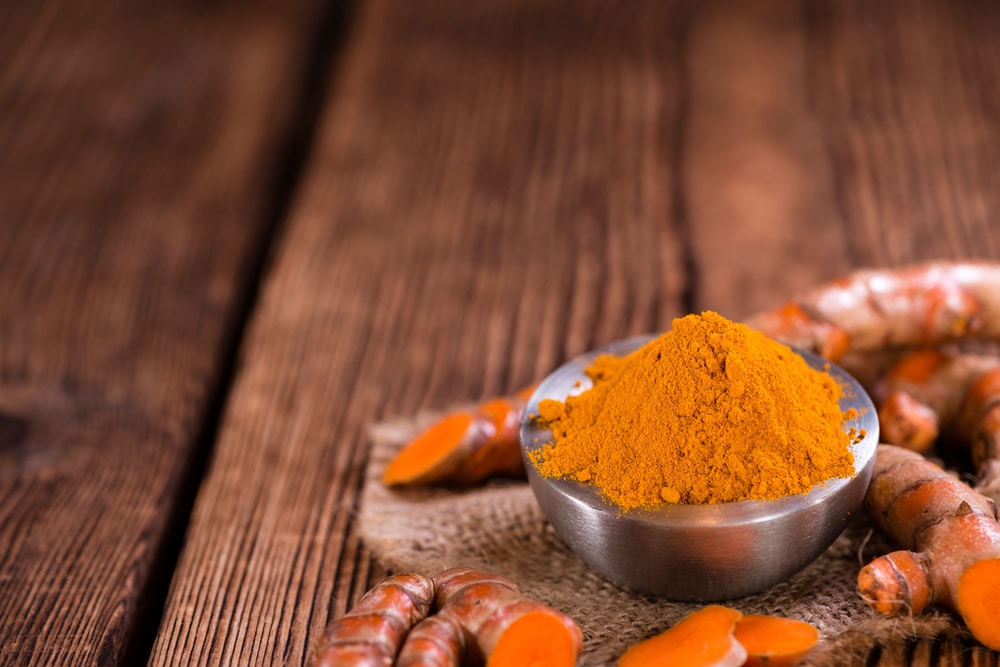
That’s when the notion of turmeric surfaced as a potential remedy. Living in Southeast Asia, I was aware that for centuries this “golden spice” has played a role in traditional medicine for treating pain and inflammation. Today, turmeric is commonly available in supplement form as curcumin, its active ingredient.
Before diving into it, I reached out to Lily Lichtenstein, RD, LDN, a clinical dietitian at Tufts Medical Center, to gain insights from modern research and gauge what I could realistically expect for my own health. Her advice, as always, emphasized the importance of consulting with a healthcare professional before introducing any new supplements.
About the expertLily Lichtenstein, RD, LDN, is a clinical dietitian at Tufts Medical Center, specializing in critical care and oncology nutrition. Additionally, she runs a sports nutrition private practice aimed at helping athletes optimize their performance through nutrition.
Recent research about turmeric
Understanding the difference between turmeric and curcumin is crucial. Supplements typically offer a concentrated dose of curcumin that far exceeds what you might find in your spice cabinet.
“Current research indicates that turmeric, particularly its bioactive component curcumin, can help manage inflammation, joint pain, oxidative stress, and problematic metabolic markers,” Lichtenstein notes. She refers to a 2024 systematic review published in Phytotherapy Research, which supports curcumin’s anti-inflammatory properties. This review reported that individuals taking curcumin showed significant improvements in indicators linked to inflammation and metabolic health, including blood glucose levels, cholesterol, and body weight.
Lichtenstein points out that these benefits are mostly evident in laboratory measures rather than through noticeable symptom relief. Nevertheless, some individuals—especially those struggling with joint pain—may experience improvements with consistent use. A 2025 review of clinical trials published in the Journal of Rheumatic Diseases corroborated this view, revealing that curcumin’s influence on joint discomfort and inflammation could be similar to that of NSAIDs.
How to use a turmeric supplement
One obstacle in turmeric supplementation is that dosages, forms, and usage durations differ across various studies, Lichtenstein explains. “Further research is essential to establish the ideal dose and format for supplementation to achieve desired results,” she states. However, she provided practical recommendations based on current findings.
“When selecting a turmeric supplement, ensure it contains curcumin, the active component responsible for most health benefits,” she suggests. “Curcumin is poorly absorbed by the body on its own, so products that include black pepper extract (piperine) or other formulations aimed at enhancing absorption tend to be more effective.”
Taking curcumin with a meal that includes healthy fats may also aid absorption. Most studies support daily doses between 500 to 1,500 milligrams. “There’s no particular best time to take it, but consuming it during meals and possibly dividing the doses can improve tolerance,” Lichtenstein adds.
While most individuals generally tolerate curcumin well, mild stomach upset can occur as a side effect. Additionally, curcumin can interact with certain medications, including blood thinners, so consulting your physician before starting any supplementation is crucial.
I made it a point to diligently follow my physical therapy regimen, prioritize rest (which is challenging for someone like me), and maintain a balanced diet. I also consulted my orthopedic physician to ensure that starting this supplement was safe.
Piping Rock Turmeric Curcumin Supplement
How I felt while taking a turmeric supplement
Once my doctor gave the green light, I started with a Piping Rock-branded supplement containing 500 milligrams of curcumin alongside 3 milligrams of black pepper extract per capsule. I took a capsule with my breakfast of oats and Greek yogurt, which enhance absorption. After a week without any stomach discomfort, I increased my dose to 1,000 milligrams in the morning.
As Lichtenstein noted, curcumin’s effects generally unfold gradually and subtly. However, for someone like me—dealing with unyielding joint stiffness and inflammation from my fall—I might recognize mild improvements with consistent use.
That aligned with my own experiences. After a few weeks, I was able to reestablish my daily walking routine. Post-exercise discomfort diminished noticeably, particularly in my injured hip. I found I wasn’t reaching for ibuprofen anymore after training sessions. My soreness didn’t vanish, but it felt much more manageable with stretching, heat, ice, and rest. With curcumin providing its anti-inflammatory support behind the scenes, I woke up feeling significantly less stiff the day after even the most intense workouts.
Interestingly, I also noticed an improvement in my mood. Certainly, being able to move more contributed to this, as did experiencing less pain. Additionally, emerging research suggests that curcumin may influence the nervous system. A 2025 review published in Frontiers in Pharmacology indicates potential benefits ranging from calming stress responses to providing neuroprotection, which could lessen risks for conditions like depression and cognitive decline.
As Lichtenstein advised, “Curcumin is best regarded as a long-term supportive supplement that may enhance overall wellness when consistently used alongside a balanced diet and an active lifestyle, rather than as a quick fix.”
While turmeric may not miraculously resolve all issues, its role in my recovery over those six weeks made it a staple in my daily routine. Not only for addressing ongoing joint concerns but as a proactive measure to manage inflammation over the long term.