
















Shingrix is the shingles vaccine available in the United States, boasting over 90% effectiveness in preventing shingles. FDA approval came in 2017, leading to ongoing research about its long-term efficacy and protection duration.
Shockingly, around one in three Americans will develop shingles in their lifetime. Each year sees an estimated one million individuals contracting this condition.
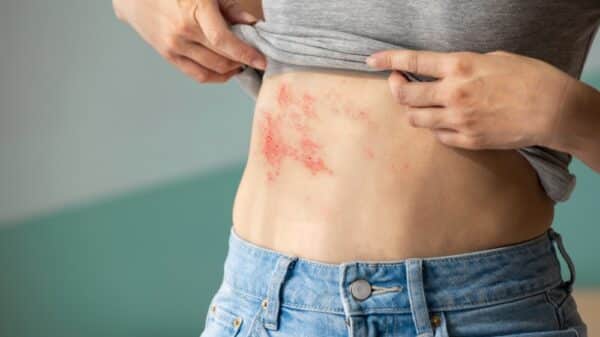
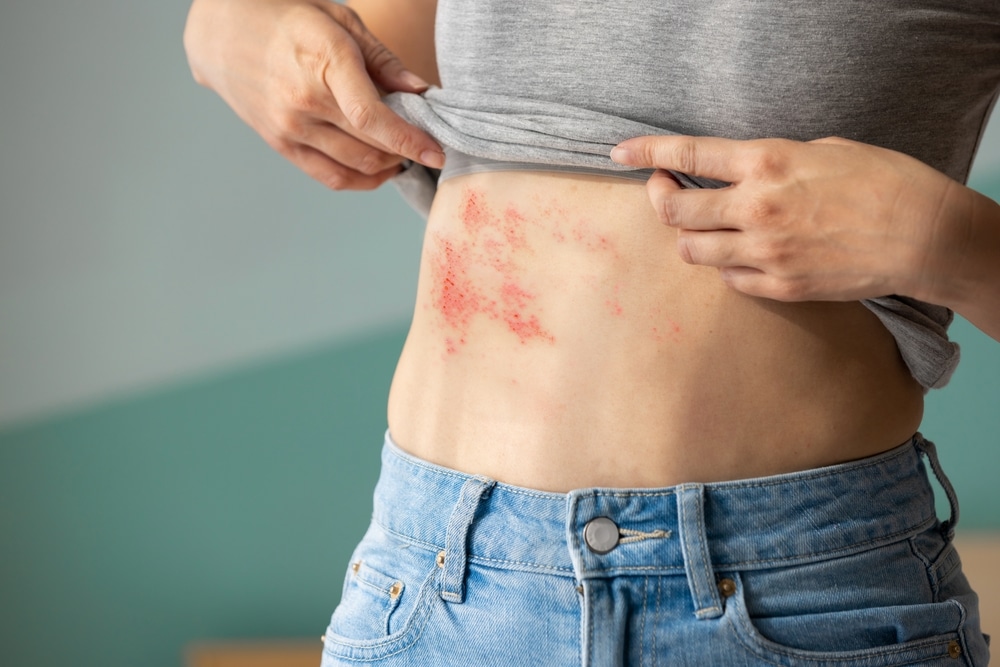
Shingles manifests as a painful skin rash accompanied by blisters, which can arise anywhere on the body. This viral infection is caused by the varicella zoster virus, which also leads to chickenpox. After healing from chickenpox, this virus lies dormant in the body and can reactivate later as shingles.
Vaccination remains the most effective line of defense against shingles. Understanding how long Shingrix protects you, along with factors that may influence its effectiveness, is crucial.
How Long Does The Shingles Vaccine Protect You?
According to the Centers for Disease Control and Prevention (CDC), Shingrix offers approximately seven years of protection against shingles. A 2022 study involving over 7,400 participants found the vaccine maintained around 91% effectiveness five to seven years post-administration.
A recent study in BMJ evaluated the older shingles vaccine, Zostavax, which contained a weakened live virus. It showed a decline in effectiveness from 50% in the second year to 27% by year eight, and just 15% after ten years. Due to its inadequate long-term efficacy, Zostavax is no longer utilized in the U.S.
Unlike Zostavax, Shingrix is a recombinant vaccine, meaning it does not contain live virus components.
“The recombinant vaccine has been available for only a few years. It’s plausible that Shingrix could be effective for longer than seven years, but we need time to gather that information,” stated Sarath Nath, MD, an infectious disease expert at Stony Brook Medicine.
While protection may diminish over time, the vaccine still provides significant benefits, according to Linda Yancey, MD, an infectious disease specialist at Memorial Hermann Health System.
“All vaccines have peak effectiveness right after administration,” Yancey explained to Verywell. “There’s no one-size-fits-all answer regarding vaccine duration. It can vary significantly among individuals, as everyone’s response is different.”
Who Should Get the Shingles Vaccine?
The CDC recommends that adults aged 50 and older receive two doses of the Shingrix vaccine, spaced out by two to six months. Additionally, individuals aged 19 or older with weakened immune systems due to medical conditions or treatments should also undergo the two-dose series.
If someone misses the second shot, the whole two-shot series should be restarted.
Why Vaccine Protection May Decline Over Time
Various factors contribute to the decline in vaccine effectiveness, according to Nath. One significant aspect is waning immunity, where the body’s initial reaction to the vaccine decreases over the years. Mutations in viruses and bacteria could also reduce effectiveness against new strains, though this is less common.
Yancey added that personal characteristics, including age, existing health conditions, and individual immune response, play critical roles. For example, treatments like chemotherapy can weaken the immune response, thus impacting the vaccine’s protective effectiveness.
Age remains the most significant determinant of effectiveness.
“Vaccines typically perform best in people with strong immune systems,” Yancey said. “A healthy 50-year-old might enjoy long-lasting protection, whereas an 89-year-old with health concerns may not. Nevertheless, even reduced protection is better than having no immunity at all, so age should not deter vaccination.”
Treatment Options for Shingles
If you notice symptoms related to shingles, such as skin sensitivity, itching, tingling, rash, or blisters, consult your healthcare provider for a correct diagnosis. Antivirals like acyclovir may be prescribed to hasten recovery, along with analgesics to relieve discomfort.
“Patients with shingles typically require analgesics for pain relief, and in some cases, steroids may be used to reduce inflammation,” Nath noted.
Additional treatment options could include:
- Creams or lotions to soothe itching
- Cold compresses on affected areas
- Antiviral medications such as acyclovir, valacyclovir, and famciclovir
- Antidepressants
- Anticonvulsants
What This Means For You
The shingles vaccine has shown effectiveness lasting seven to ten years following the two-dose schedule. While there isn’t a booster available for shingles, experts suggest that this might change in future developments. Be sure to consult your healthcare provider regarding your eligibility for the shingles vaccine.