













Key Takeaways
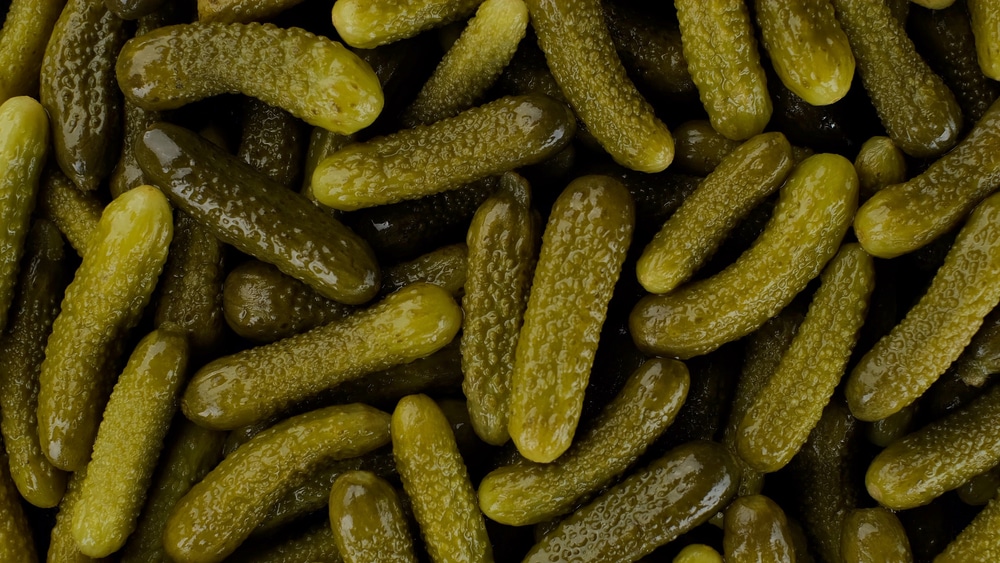
Pickles pack a punch as a snack made from cucumbers cured in a brine or vinegar solution. They can offer health benefits but come with a high sodium content.
Too much sodium can contribute to chronic health issues, such as hypertension and heart disease. If you have concerns about blood pressure, consider moderating your pickle intake. Also, reducing processed foods like fast food and packaged snacks can be beneficial.
Pickles are a beloved snack, created by preserving cucumbers in salty water or vinegar. Despite their potential health perks, their high sodium content can impact your blood pressure significantly.
1. Your Blood Pressure May Rise
Regular pickle consumption could elevate your blood pressure. Research indicates that as pickle intake increases, so does blood pressure.
Sodium-rich foods like pickles lead to increased blood pressure by affecting fluid balance in the body. When you ingest a high sodium load, your body retains water to help dilute it, raising fluid levels in your blood vessels and thereby boosting blood pressure.
Healthy adults should target a sodium intake of less than 2,300 mg daily, with optimal levels suggested at around 1,500 mg for heart health. One pickle spear contains approximately 326 mg of sodium.
2. Your Risk of Obesity May Increase
A diet rich in salty foods like pickles can raise not only your blood pressure but also your obesity risk. Studies show a link between high sodium consumption and increased body mass index (BMI) in both adults and children.
Obesity is a significant risk factor for hypertension. A higher BMI can lead to various complications, including heart attack and stroke. To mitigate the risks associated with both obesity and hypertension, consider limiting your salt intake.
3. Your Heart Disease Risk May Increase
A high-sodium diet correlates with an increased risk of heart disease. With pickles’ elevated sodium content, daily consumption can lead to higher blood pressure and heart health issues.
Continuously high blood pressure can cause blood vessels to stretch. This not only results in injury but also contributes to plaque buildup, which in turn can lead to a heart attack or stroke.
Elevated blood pressure presents serious health risks, often without visible symptoms. It’s crucial to maintain healthy blood pressure levels through a balanced diet, regular physical activity, and medication if necessary.
4. Your Stroke Risk May Increase
The relationship between a high-sodium diet, hypertension, and stroke is clear. A stroke results from disrupted blood flow to the brain, and a large percentage of stroke patients have experienced hypertension.
Stroke is a leading cause of mortality and disability in the United States. Keeping your blood pressure in check is an effective strategy to lower your stroke risk.
If you’re prone to hypertension, it may be wise to limit or avoid pickles. Consulting your healthcare provider can help tailor nutritional guidance to support both heart and brain health. Working with a nutritionist or dietitian could also enhance your approach.
Pickle Nutrition Facts
While there are various types of pickles available, one dill or kosher dill pickle spear typically contains:
Calories: 5.7Water: 38 grams (g)Fat: 0.17 gProtein: 0.19 gFiber: 0.4 gSugars: 0.5 gSodium: 326 milligrams (mg)Calcium: 21.8 mgMagnesium: 2.8 mg
How to Reduce Sodium in Your Diet
Most Americans consume more sodium than recommended. Research indicates that reducing sodium intake by 1,000 mg a day can have a significant positive effect on blood pressure and lower the risk of heart disease.
In fact, decreasing dietary sodium intake may rival the efficacy of antihypertensive medications in managing blood pressure.
To decrease sodium in your diet, consider reducing your consumption of pickles and other salty foods, including:
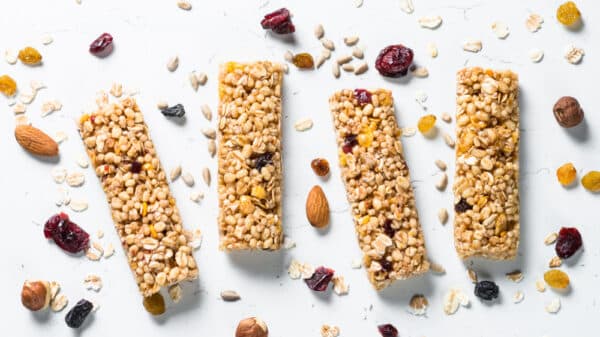
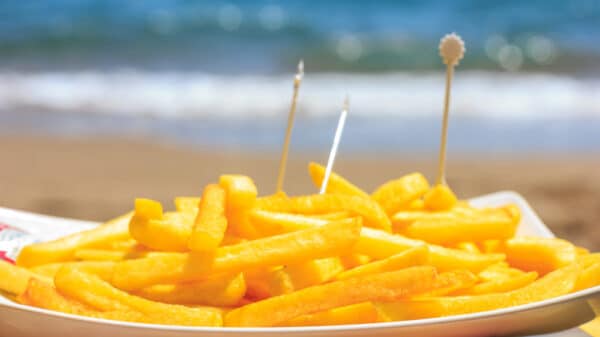
Fast food Packaged snacks like crackers and chips Processed meats Canned soups and vegetables