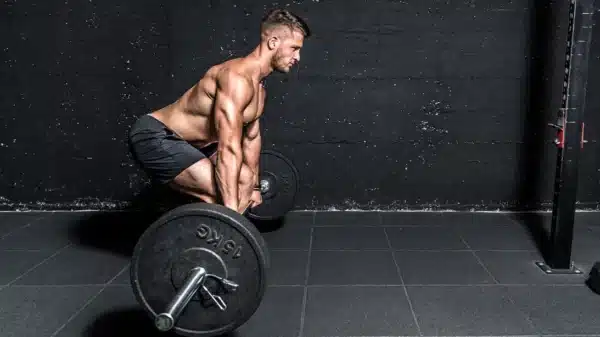



















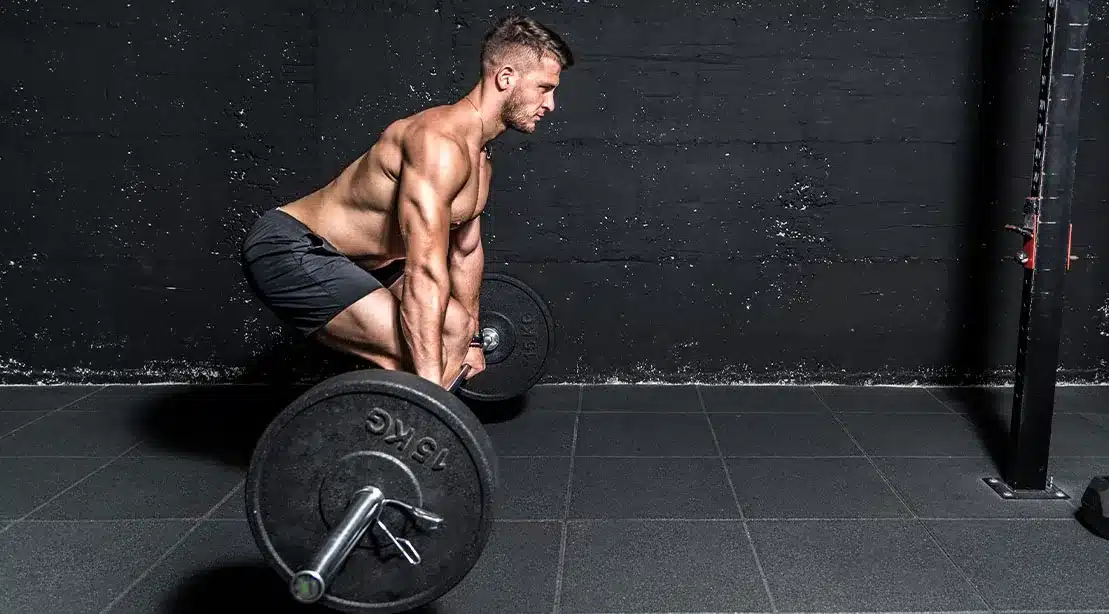
You approach the bar, brace yourself, and begin your deadlift. However, something isn’t right. Your grip loosens, and your lower back protests, “Not today.” Ignoring these signals can lead to issues, especially with heavy deadlifts that leave little room for error.
Some days, your body sends clear warnings—low-back discomfort or a weak grip interrupting your flow even before your glutes and hamstrings engage. Limited mobility can turn each rep into a risky endeavor. Fortunately, there are alternative ways to hinge that don’t involve dealing with pain or frustration.
This article will explore five effective deadlift alternatives specifically selected to address common issues that can make traditional lifts problematic. Whether your goal is to gain strength, build muscle, or achieve pain-free progress, these exercises can offer the benefits of deadlifting without the drawbacks.
Let’s dive into the prevalent challenges associated with deadlifts and the alternative movements that can help.
Why Deadlifts Can Cause Discomfort: Common Challenges
The conventional barbell deadlift is a fundamental exercise in strength training. However, it may not always be the optimal choice for everyone. Factors such as anatomical restrictions or improper technique can lead to discomfort. Here are a few common reasons lifters might need to reconsider the classic deadlift from the floor.
Low Back Pain or Discomfort
Small errors in form, such as rounding your spine, incorrect bracing, or allowing the bar to drift away from your body, can intensify compressive and shear forces on your lower back. While some individuals may rehabilitate back pain through appropriate deadlift progressions, others find the standard setup too risky. If pulling from the ground causes discomfort instead of progress, look for variations that still train your posterior chain without adding stress to your lower back.
Mobility Constraints
The starting position for a traditional deadlift demands adequate mobility across your hips, ankles, and thoracic spine. If you lack mobility in any of these areas, you may find it challenging to assume a proper pulling stance. Signs of compromised mobility include rounding in the lower back during setup, shifting weight onto your toes, or being unable to position yourself properly under the bar. Limited mobility can lead to energy inefficiency, reduced force production, and an increased injury risk.
Grip Strength Limitations
Your posterior chain might be ready for heavy lifting, but if your grip isn’t up to the task, it all falls apart. Grip strength often fails first, particularly during higher-rep sets or when lifting heavier weights. You might consider using grip variations like mixed grip or straps, but some lifters prefer not to rely on these aids or may find them uncomfortable. If you’re struggling with grip strength, take it as a warning sign.
Insufficient Activation of Glutes or Hamstrings
The deadlift should be a hip hinge movement. If your lower back is taking the brunt of the effort, something is off. This often occurs due to inadequate hip drive, a lack of tension during setup, or mistakenly “lifting the bar” instead of “pushing the floor away.” If you’re not experiencing the desired tension in your glutes and hamstrings, it’s a clear indicator that something needs adjustment.

What Makes an Effective Deadlift Alternative?
A quality substitute for the deadlift should maintain the core benefits of the traditional movement while ensuring lower back safety, glute activation, and hamstring engagement. Whether you’re rehabilitating an injury, adapting to equipment constraints, or refining form, here are the essential factors in selecting a solid deadlift alternative:
Focus on the Posterior Chain
Any suitable alternative must effectively work the glutes, hamstrings, and spinal erectors, similar to the conventional deadlift. Prioritize exercises that emphasize hip extension under load and condition the posterior chain, ensuring you engage your glutes effectively.
Reduced Spinal Loading
Many individuals bypass standard barbell deadlifts due to discomfort in their lower back. A good alternative minimizes compressive and shear forces on the lumbar spine while still delivering results. Tools that allow for a more upright torso, like trap bars and kettlebells, can shift the load closer to your center of mass and decrease the range of motion required.
Proper Hip Hinge Mechanics
The essence of the deadlift lies in mastering the hip hinge—not transforming it into a squat or a lower-back extension. Select exercises that help you feel the stretch and quick recovery of your hamstrings, stabilize your trunk, and prevent spinal rounding.
Opportunities for Progression
Look for variations that allow for progression through additional reps, increased weight, extended time under tension, or altered tempo. Whether you’re training in a gym or at home with limited equipment, the movement should adapt and develop alongside your progress.
5 Alternative Exercises to Replace Barbell Deadlifts
These five alternatives aren’t merely variations; they address the challenges lifters typically face when conventional deadlifts aren’t feasible. If you experience low back pain, mobility issues, grip struggles, or insufficient activation of your glutes, these exercises can help.
Trap Bar Deadlift
Best for: Low back sensitivity, grip fatigue, mobility constraints.
The trap bar revolutionizes deadlifting. With handles positioned at your sides, the weight aligns with your center of gravity, alleviating strain on your back and enabling a more upright stance. This setup diminishes shear forces on the lower back while simplifying the management of heavy weights.
Why it works:
- Gentler on the spine and shoulders
- Accessible for lifters across skill levels
- Combines aspects of squat and hinge, targeting both quads and glutes
Romanian Deadlift (RDL)
Best for: Glute and hamstring development, limited ankle mobility.
The RDL removes the necessity of pulling from the floor, focusing on the ideal hip hinge. You’ll initiate from a standing position, guiding the weight down with control and allowing your hamstrings to fully engage during the lowering phase. This exercise is excellent for refining hinge mechanics and strengthening the posterior chain.
Why it works:
- Excellent for teaching hinge mechanics to newer lifters
- Increases hamstring eccentric strength
- Greater time-under-tension for muscle growth
Landmine Romanian Deadlift
Best for: Beginners and those with mobility challenges.
The landmine setup offers a secure position with the bar anchored, making the RDL pattern stable. It guides your hips back, helping you understand the hinge motion better than traditional setups. This exercise is a fantastic option if you grapple with maintaining control when lifting or have lower back concerns.
Why it works:
- Control during movement enhances hinge mechanics
- Gentler on the lower back
- Scalable for various fitness levels
Rack Pulls
Best for: Heavy lifting while easing lower back strain.
Rack pulls enable you to execute deadlifts from an elevated position, limiting the range of motion and reducing stress on your lower back. By positioning the bar above the knees or just below, you can focus on lockout strength without complicating your mobility requirements. This move is ideal for building pulling power and strength at the top of the movement.
Why it works:
- Focuses on strengthening the deadlift’s most powerful range
- Less demanding on mobility
- Reduced strain on the back and knees
Machine Hip Thrust
Best for: Isolating the glutes and back-friendly training.
If barbell deadlifts are triggering back discomfort, the machine hip thrust provides a glute-focused alternative that spares your back. This exercise locks in the glute-hinge pattern, allowing for progressive loading without the risk of dealing with heavy weights on your hips.
Why it works:
- Back-friendly method for targeting glutes effectively
- Promotes glute engagement without stressing the spine
- Eliminates discomfort from heavy bars
Choosing the Right Deadlift Alternative
Not every lifter will benefit from the conventional barbell deadlift.
If you’re managing low back discomfort, struggling with mobility, dealing with grip failures, or not feeling the intended muscle engagement, forcing traditional methods can lead to frustration or even injury.
Effective strength training values progression while respecting your body’s unique limitations. So, if the classic deadlift isn’t working for you, these alternatives can keep you advancing without unnecessary pain.