




















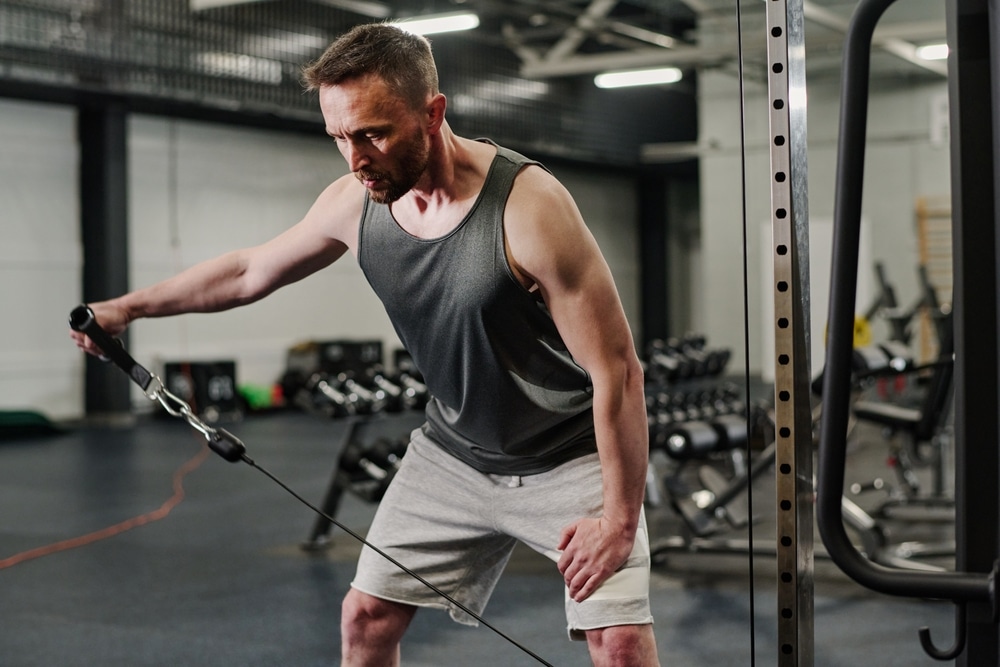
How Many Reps?
It’s fascinating that the question “how many reps?” still arises today, much like it did when I first encountered it years ago with my initial clients. In the early days of personal training, many of us were young bodybuilders who had transitioned into guiding the “average person.” We often assumed that everyone understood basic fitness terminology, including concepts like sets, reps, or even the distinctions between carbohydrates, proteins, and fats. This assumption was a hurdle, as many newcomers to the gym had little to no prior knowledge about these fitness fundamentals.
In one instance, following a demonstration of a particular exercise, a client asked me, “How many reps should I do?” I found the question unexpected, almost like someone asking what color an orange is. In a mix of confusion and humor, I replied, “All of them.” My joking tone elicited a puzzled expression from my client—was I being dismissive? Condescending? It was a moment that highlighted a significant communication gap.
This seemingly simple question, “how many reps?” became a recurring theme in the trainer-client dynamic throughout the fitness boom. Typical exchanges would see a trainer instructing a client to do, say, 10 reps, with little consideration of why that number was chosen. A question that remains crucial is: why 10 reps? Why not a different number? Very few paused to analyze the rationale behind such targets.
The core of the matter isn’t about how many repetitions one performs—it’s about how those reps are executed. Are you merely counting reps, or are you focused on building muscle? These two objectives, while often confused, are not interchangeable.
The Real Work of Getting Strong
For someone like a 38-year-old soccer mom who hasn’t stepped into a gym since her college days, performing 10 reps might seem sufficient. However, merely going through the motions will not result in significant changes. True improvements in physique require a fundamental shift toward purpose-driven exercises aimed at muscle building.
A common concern regarding strength training is the fear of becoming too muscular. It’s important to recognize that muscle growth requires time and consistent effort, and significant changes won’t happen overnight. You can count on a gradual process, one that provides opportunities to adjust your approach if you feel you’re overstepping your comfort zone. The only risks involved are often linked to losing unnecessary fat, not gaining undesirable bulk.
Let’s address a more specific concern—those dreaded “flappy arms.” Many people express dissatisfaction with particular areas of their bodies. However, it’s crucial to understand that you cannot target fat loss in specific regions; the solution requires a holistic approach. Fat loss is not confined to isolated areas, and localized remedies are generally ineffective. If you have flabby arms, it’s likely that other areas will also experience similar issues. There are no shortcuts or miracle fixes to achieve results; progressive training is the only sustainable solution.
Why Building Muscle Is the Only Way Out
The foundational approach to improving body composition involves dietary adjustments coupled with a consistent regimen of strength training. This combination is effective for both men and women, provided the training is executed correctly. Paying attention to various elements of training, including the question of “how many reps,” is essential. This inquiry encapsulates the essence of our discussion, so I will explore it further in upcoming articles.
But why should you lift weights? Developing muscle is essential for your transformation. Muscle acts as the crafting tool enabling you to sculpt the physique you desire. Initially, as you begin your fitness journey, the muscle will become denser, even if it doesn’t appear larger right away. Many newcomers experience initial frustration when strength gains don’t translate to visible results. This confusion often leads to unfounded doubts about their progress.
In reality, when you start working to strengthen previously flaccid areas, the underlying muscle density increases before it becomes visibly larger. Progress takes time as fat intertwined with muscle diminishes, resulting in a temporary “softer” appearance. Muscle density takes time to develop, and initially, the scale might not reflect your actual gains.
Moreover, the second crucial reason you need muscle is that it serves as a powerhouse for fat metabolism. The more muscle you build, the more efficient your body becomes at burning fat. This principle is straightforward: develop muscle to increase fat loss. More muscle equates to a higher resting metabolic rate, making daily fat burn more effective.
Why the Right Number of Reps Is ‘All of Them’
Now that you’ve grasped the importance of building muscle, how do you actually achieve that? The simple answer is: by completing all the repetitions you can muster!
But why isn’t there a straightforward number? The reason lies in the personal nature of your fitness journey. The optimal number of reps depends on your fitness level and the weight you’re lifting. Rather than fixating on achieving a specific count, aim to push your limits until you reach muscle fatigue—when your muscles signal that they can’t continue. This threshold can vary, so it could be 5 reps, 12 reps, or even more, depending on individual circumstances. Every session may yield different results.
Each time you strive to do as many reps as possible, you initiate the body’s adaptive response, which mandates a process of muscular growth to survive the imposed demands. This adaption is essential for triggering muscle development, so the importance of overcoming the body’s limitations cannot be overstated. Remember, the effectiveness of the workout isn’t just in the count; it’s about dedication and effort.
As Arnold Schwarzenegger wisely advised, “never waste a set.” If you don’t give your all, you’re squandering an opportunity. So when it comes to your gym sessions, focus on giving your maximum effort and remember: the aim is to grow stronger.