




















Many of us find ourselves restless at night, often unaware of the reasons behind it. Many people believe that poor sleep is simply an unavoidable part of aging, but this misconception overlooks a fundamental truth. Everyone, regardless of age, is entitled to restorative sleep.
As we get older, the importance of quality sleep only amplifies. During our sleep, our bodies undergo essential restorative processes. When we achieve deep and restful sleep, we wake up rejuvenated and ready to embrace the day ahead.
Why Mobility Before Bed Improves Sleep at Any Age
As our bodies age, our sleep patterns undergo natural shifts, with a notable decline in deep sleep over time. However, this decline is not solely linked to age. The stiffening of muscles and joints can lead to discomfort, which may interrupt our sleep cycles. This discomfort can result in tossing and turning throughout the night, perpetuating a cycle of poor sleep for years.
Engaging in mobility exercises can significantly alleviate stiffness. These movements not only ease muscle tension but also promote overall relaxation. When your muscles are relaxed, your body feels secure, which can calm the nervous system and enhance sleep quality. Improved mobility also boosts blood circulation and reduces inflammation.
Nightly Mobility Routines to Help You Sleep Even in Your 50s
Incorporating simple mobility exercises into your nightly routine can drastically enhance your sleep quality. These gentle movements do not require strenuous effort. Instead, they are tailored to help your body unwind, allowing you to drift off to sleep effortlessly.
1. Gentle Spine Reset
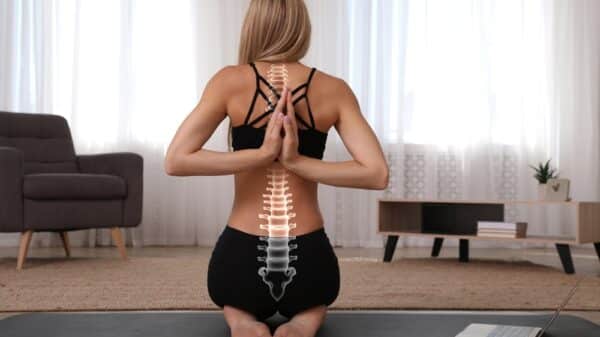
Your spine often bears the weight of your daily stresses. Many daily activities involve prolonged sitting, which can compress the lower back and negatively impact posture. This poor posture can restrict chest muscles, affecting breathing. Difficulty in breathing at night can lead to waking up feeling fatigued each morning.
Reset your spine through gentle cat-cow stretches. Many yoga sequences are beneficial for promoting relaxation before bedtime. Focus on smooth and controlled movements to alleviate tension, rather than creating additional strain. Incorporate gentle seated twists to enhance spinal rotation, and conclude with a child’s pose for lower back relief.
2. Hip and Lower Back Release
As people age, tightness in the hips can become a widespread concern, particularly for those who spend extensive amounts of time sitting. Prolonged sitting shortens the hip flexors, pulling on the lower back and leading to discomfort. This discomfort can disrupt your sleep patterns.
To alleviate lower back discomfort, begin with gentle hip circles. Circular motions enhance joint lubrication, reducing friction during movement. Incorporate a kneeling hip flexor stretch, ensuring to keep the movement gentle to avoid muscle strains. Conclude with a seated figure-four stretch to release tension in the glutes.
3. Shoulder and Chest Openers
As individuals age, they may notice a tendency for the shoulders to slouch forward. Tight shoulders and chest muscles limit lung capacity, resulting in suboptimal breathing patterns during sleep. Yoga poses can effectively help open up both the chest and shoulders.
Start with basic wall chest stretches, holding each stretch for 20 to 30 seconds without overextending. As you become familiar, include gentle arm circles to enhance shoulder mobility. Flexible shoulders are essential to prevent discomfort during sleep. If you are comfortable, try a doorway stretch to open the chest further, as this can improve oxygen intake.
4. Ankle and Foot Mobility
Proper blood circulation plays a crucial role in enjoying a restful night’s sleep. Poor circulation can lead to discomfort during the night. Aging can naturally slow down circulation, making mobility exercises vital for maintaining robust circulation.
Begin by performing ankle circles, then flex and point your feet slowly to engage the calf muscles, assisting in blood flow through the lower body. Enhanced circulation can diminish the likelihood of leg cramps. Follow up with toe spreads, then gentle calf stretches. Maintaining foot mobility supports both daytime activities and quality sleep.
5. Nervous System Wind-Down
All of these exercises are aimed at calming your nervous system. Quality sleep can only be achieved when your nervous system is relaxed. Elevated stress levels can lead to poor sleep, as a stressed body tends to remain alert, inhibiting full relaxation.
Commence with slow diaphragmatic breathing, ensuring your exhales are longer than your inhales, as this can help lower your heart rate. Gentle rocking while lying on your back can further soothe the spine.
Final Thoughts
Every aspect of your body, from breathing patterns to posture, contributes to your sleep quality. These mobility exercises specifically address the underlying issues that lead to sleep disturbances. Incorporate these routines into your pre-sleep regimen and be mindful of how quickly your body starts to feel at ease. You will soon find yourself enjoying the luxury of restful sleep.
It is not solely aging that impairs mobility. Without consistent use, mobility can decline at any age. As you age, maintaining flexibility becomes even more crucial. These exercises can enhance your ability to enjoy uninterrupted sleep while supporting mobility throughout your daily life.