


















For decades, the concept of luxury was synonymous with material extravagance: high-end real estate, rare timepieces, exotic travel, and private aviation. However, a significant shift is occurring among the world’s elite entrepreneurs and high-performers. A new status symbol is taking center stage, and it is something that money cannot directly buy, but can certainly protect.
That asset is time.
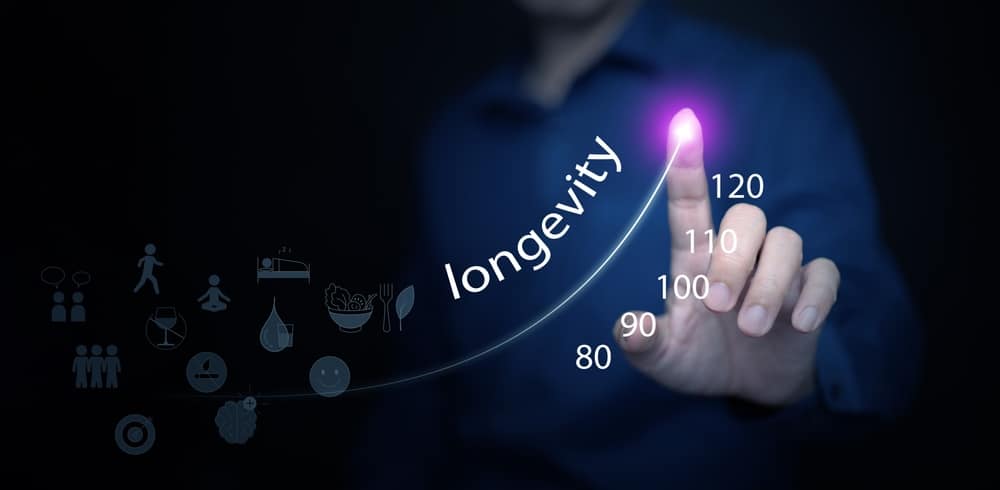
This does not refer to time in a general sense, but rather the strategic extension of one’s “healthspan”—the ability to maintain cognitive clarity, physical vitality, and metabolic efficiency well into the later stages of life.
To explore how this trend is reshaping the world of high-profile success, we look to insights from Mini Vohra, a prominent celebrity events strategist and Director of Cornucopia Events. As a former barrister and a seasoned entrepreneur, Vohra manages exclusive experiences for global celebrities, billionaires, and high-net-worth individuals across 175 countries. His work places him at the center of where luxury, performance, and cultural trends intersect.
Vohra’s organization, which has received prestigious business honors under the British Monarchy, caters to a clientele that operates under immense pressure. For these individuals, success requires more than just financial acumen; it demands sustained resilience and the ability to perform at a peak level without succumbing to burnout. Through his interactions with this elite circle, Vohra has observed a fundamental change in priorities.
“When individuals first achieve significant financial success, they often gravitate toward traditional symbols of wealth—luxury cars, penthouses, and high-end watches,” Vohra explains. “However, high performers eventually realize that health is the foundational asset that makes all other luxuries meaningful.”
This realization is quietly transforming the very definition of a high-status lifestyle.
The Shift Toward Healthspan as a Modern Luxury
While the link between lifestyle and longevity is well-established, the scale and technical depth of this pursuit have evolved. Today, the focus has moved beyond basic preventative care toward radical optimization.
In contemporary longevity circles, the objective is no longer simply the absence of disease. Instead, the goal is to push the limits of human potential. Clients are investing heavily to ensure they remain as physically and mentally sharp at seventy as they were at forty.
“Historically, luxury was often associated with indulgence,” Vohra observes. “In the current landscape, luxury is defined by control—control over your energy levels, focus, biological aging, and overall quality of life.”
Some of the most prominent figures in this movement are technology leaders who view the aging process as a biological challenge to be solved through data and engineering. A notable example is Bryan Johnson and his “Blueprint” project, a highly documented and rigorous regimen designed to reverse biological age through constant monitoring and precise interventions.
While Johnson’s approach represents an extreme version of biohacking, he is part of a broader trend. Longevity-focused medical practices are seeing a surge in interest from CEOs and elite athletes who view health optimization as a vital investment and a necessary competitive advantage.
Advanced Diagnostics in Precision Medicine
A modern longevity clinic functions less like a doctor’s office and more like a high-tech performance lab. Rather than standard annual physicals, these facilities offer deep physiological mapping to create a comprehensive biological profile.
Clients undergo a battery of advanced tests, including full-body MRI scans, genetic sequencing, cardiovascular stress tests, and detailed biomarker panels. This data-driven approach allows for the detection of potential health issues years, or even decades, before they would typically manifest in a clinical setting.
“Elite individuals are moving away from generic health advice,” Vohra says. “They are tracking specific data points: hormone balance, systemic inflammation, glucose sensitivity, and even cellular recovery. Everything is becoming hyper-personalized.”
Following these evaluations, teams of specialists—including physicians, metabolic experts, and performance coaches—develop bespoke protocols. These programs often integrate traditional clinical medicine with strategies used in professional sports, treating the human body as a managed asset that requires constant monitoring and adjustment.
The Biological Foundations of Living Longer
While some aspects of the longevity movement are experimental, many of its core pillars are backed by substantial scientific evidence. For instance, resistance training is consistently identified as one of the most effective interventions for healthy aging. Maintaining muscle mass is directly linked to metabolic health and a reduced risk of age-related frailty.
Cardiovascular health, specifically measured through VO₂ max, is another primary indicator of long-term vitality. High levels of aerobic fitness are strongly correlated with lower rates of cardiovascular disease and overall mortality.
Additionally, prioritizing sleep hygiene, managing systemic inflammation, and maintaining insulin sensitivity are crucial for slowing the biological aging process. Disruptions in these areas are known to accelerate physiological decline.
However, the “biohacking” world also embraces emerging treatments that are still in the investigative stages. Therapies involving peptides, NAD+ infusions, and hyperbaric oxygen chambers are popular among early adopters, despite the need for more long-term human data. For many high-performers, the opportunity to be at the “bleeding edge” of medical science is a core component of the lifestyle.
The High-Performance Mindset and Biological Discipline
The growth of the longevity industry is fueled by a specific psychological framework. Individuals who have spent their careers optimizing business strategies and financial portfolios naturally apply that same logic to their own biology.
“High achievers treat their health with the same rigor they apply to an elite business strategy,” Vohra notes. “They value prevention and consistency. They understand that biological discipline compounds over time, much like financial investments.”
By shifting the focus from treating illness to optimizing health, this new era of luxury emphasizes that the most valuable possession one can own is a high-functioning body and mind, sustained for as long as possible.
Final Summary: The Future of Vitality
The evolution of luxury from material goods to longevity reflects a growing understanding that health is the ultimate currency. By leveraging advanced diagnostics, personalized medicine, and a disciplined approach to physical performance, high achievers are redefining what it means to age. As the science of longevity continues to advance, the focus remains clear: the goal is not just to add years to life, but to ensure those years are lived with maximum vitality and purpose.
Modern health optimization is transforming biology into a quantifiable data set. By viewing blood biomarkers as performance metrics and tracking sleep patterns as feedback loops, individuals can treat their biological age as a target for strategic improvement. This approach to longevity mirrors the world of elite athletics, where progress is driven by continuous monitoring, precise adjustments, and the constant pursuit of incremental gains.
Common Misconceptions About Longevity Optimization
As the longevity movement gains momentum, several misunderstandings have surfaced. Many people mistakenly believe that longevity science is an attempt to achieve immortality. However, the practical focus is much more grounded: it is about sustaining physical function, mental clarity, energy levels, and overall resilience for as many years as possible.
Another frequent error is assuming that the most expensive interventions are always the most effective. While certain high-end medical treatments provide significant advantages, others are merely high-priced spectacles. It is crucial to distinguish between genuine scientific breakthroughs and “luxury theatre.” Even the most sophisticated clinical interventions cannot replace the fundamental health habits that form the bedrock of a long life.
Applying Longevity Principles to Everyday Fitness
While some aspects of the longevity lifestyle involve significant financial investment, the most impactful strategies remain accessible to the general public. Research consistently shows that the strongest drivers of both lifespan (how long you live) and healthspan (how long you live in good health) are the basics: resistance training, cardiovascular conditioning, high-quality sleep, balanced nutrition, and effective stress management.
The primary difference between standard fitness and elite longevity protocols is not necessarily the type of exercise, but the precision with which these habits are executed. Ironically, the foundational pillars that drive elite results are the very same areas that most people overlook. Mastery of these basics is what ultimately separates those who age well from those who experience premature decline.
The Evolution of Preventative Age-Management Science
Despite some traditional medical skepticism, the field of longevity science is progressing rapidly. Researchers no longer view aging as an unavoidable slide into decay, but rather as a biological process that can be managed and modified through specific interventions. Emerging tools in genomics, advanced biomarker testing, and artificial intelligence are allowing for the earlier detection of physiological shifts.
This data-driven approach enables proactive interventions long before chronic issues manifest. As these technologies mature, many sophisticated diagnostics currently found only in specialized clinics may eventually become part of standard preventative care, fundamentally changing how we approach health maintenance.
Redefining Personal Success Through Healthspan
The growth of the longevity movement indicates a shift in how society perceives wealth. For many years, success was defined by the accumulation of assets. Today, that definition is expanding to include the preservation of physical and cognitive capability. The ultimate goal is not a perfect biological record, but a high quality of life sustained through discipline and rigor.
For those with the means, this pursuit may involve experimental therapies and deep diagnostic diving. However, the core principle remains consistent for everyone: the same disciplined behaviors that produce elite physical performance also build a more resilient, longer-lasting body. By prioritizing healthspan today, individuals are investing in their most valuable future asset—time.
Summary of Longevity Integration
Optimizing for longevity is a shift from reactive medicine to proactive biological management. By focusing on measurable data and maintaining a relentless commitment to foundational habits like strength training and restorative sleep, anyone can improve their long-term health trajectory. Whether using advanced clinical tools or mastering the basics of lifestyle medicine, the objective remains the same: preserving the quality of one’s life through precise, evidence-based action.