
















Over the past decade, the number of couples seeking help to conceive has climbed 20 to 30 percent worldwide. According to the World Health Organization, infertility now affects roughly one in six people of reproductive age. And a growing body of research points to one key factor within our control: our daily diet. Not a “magic pill,” but the food on our plate three to four months before trying to conceive.
How does nutrition affect fertility? Which foods actually help, and which are best avoided? Anastasiia Shapovalova breaks it down.
Anastasiia Shapovalova is a certified nutrition coach through the National Academy of Sports Medicine (NASM) and has worked in fitness and nutrition since 2019. She’s also a member of the Academy of Nutrition and Dietetics, the world’s largest organization of food and nutrition professionals.
The Nutrients That Actually Matter
Folate (Vitamin B9). “This is one of the most important vitamins when you’re planning a pregnancy,” Anastasiia explains. “Folate is essential for the formation of a baby’s neural tube and respiratory tract in the very earliest weeks–often before a woman even knows she’s pregnant. That’s why doctors recommend starting folic acid three months before conception.”
Good natural sources: spinach, kale, arugula, asparagus, avocado, lentils, and eggs.
Omega-3 fatty acids. “These fats help the body produce progesterone, the hormone that prepares the uterus for pregnancy. They also improve the quality of the uterine lining, which matters a lot for embryo implantation,” Shapovalova explains.
Where to find them: fatty fish (salmon, mackerel, sardines), walnuts, flaxseed, and chia seeds.
Iron and zinc. “Iron helps prevent anemia, which directly affects ovulation. Zinc and selenium act as protective nutrients, helping shield egg cells from damage while supporting the immune system,” Shapovalova notes.
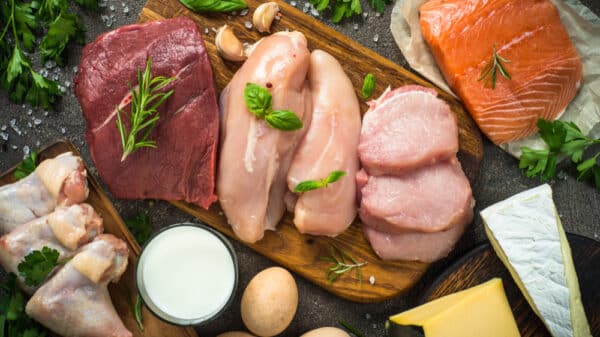
Sources: red meat, liver, oysters, shrimp, beans, chickpeas, lentils, almonds, and pumpkin seeds.
Vitamin D and calcium. “Recent research links adequate vitamin D levels to better egg quality,” she says. “You can get it from fatty fish, egg yolks, and dairy. And calcium, of course, is essential for the mother’s bones and the baby’s development.”
Antioxidants. “Our bodies are constantly producing unstable molecules that can damage cells, including egg cells,” Shapovalova explains. “Antioxidants from food help neutralize that damage.”
The richest sources: berries (blueberries, raspberries, strawberries), citrus (oranges, grapefruit, lemons), and fruits like peaches, apricots, apples, and pears.
Protein. “The 2025-2030 Dietary Guidelines for Americans recommend that women of reproductive age get about 0.5 to 0.7 grams of protein per pound of body weight–that’s 1.2 to 1.6 grams per kilogram, if you’re working from a scale,” Shapovalova says. “For a woman who weighs 132 pounds, that works out to roughly 72 to 96 grams of protein a day. You could hit that with two large eggs (about 13 grams), a cup of plain Greek yogurt (20 to 24 grams), five ounces of cooked salmon (about 30 grams), and half a cup of cottage cheese (13 to 14 grams)–around 76 to 81 grams total.”
A Mediterranean-style diet. “This is considered the gold standard for fertility,” Shapovalova says. “It’s built around plenty of vegetables, fruit, legumes, whole grains–brown rice, quinoa, oats, whole-grain bread–nuts, and seeds, with cold-pressed olive oil as the primary fat. Fish and seafood at least twice a week, poultry and eggs in moderation, and red meat and sweets only occasionally. This is the eating pattern that consistently shows the best results in fertility research.”
What Can Work Against Fertility: Foods Worth Limiting
Ultra-processed foods. “This is anything that comes off a factory line with a long ingredient list– chips, sugary cereal, soda, fast food, packaged baked goods,” Shapovalova explains. “These foods tend to be high in salt, sugar, unhealthy fats, and artificial additives. A large 2025 study in BMC Public Health followed 3,601 women and found that those who got more than 40.8 percent of their daily calories from these foods had a significantly higher risk of difficulty conceiving.”
Excess saturated fat and trans fats. “The body needs fat–it’s a building block for sex hormones. But quality matters. Leaning too heavily on fried food, fatty meat, and large amounts of butter can affect egg quality,” Shapovalova notes.
Refined carbs and added sugar. “White bread, sugary baked goods, store-bought juice, candy–all of this causes sharp spikes in blood sugar and insulin. And high insulin can interfere with normal egg maturation,” she cautions.
Too much caffeine and alcohol. Research links regularly consuming more than 200 milligrams of caffeine a day–roughly two cups of coffee–and frequent alcohol use to reduced fertility. Moderating both is a good idea.
A pro-inflammatory diet. “This means a diet heavy in foods that drive chronic inflammation–fast food, fried food, sweets, a lot of red meat,” Shapovalova explains. “Inflammation is like constant background noise in the body–it gets in the way of systems working the way they should, including the reproductive system.”
Extreme dieting and restriction. “Very low-calorie diets put a lot of stress on the body, which needs resources to produce hormones,” Shapovalova says. “It doesn’t matter whether the protein is animal- or plant-based–what matters is getting enough protein and fat and keeping the overall diet balanced. Being vegan doesn’t hurt fertility on its own, as long as you’re thoughtfully replacing animal foods with plant sources of iron, zinc, omega-3s, and B12, and addressing any deficiencies with a doctor’s guidance if needed. The problem is when a diet is repetitive and doesn’t cover all of a person’s needs.”

Who to Turn to for Help: Your Doctor and Nutritionist as a Team
Anastasiia Shapovalova has one clear warning: don’t start taking vitamins, minerals, or supplements on your own.
“These aren’t harmless add-ons–they’re active compounds. Taking them without guidance can throw off a delicate hormonal balance, and overdoing certain fat-soluble vitamins, like A, D, and E, can actually be dangerous,” she says. “Before starting any supplement, get bloodwork done and talk to your doctor. They can interpret your labs and recommend the right dosage based on your medical history.”
At the same time, a nutrition professional plays an important role of her own when it comes to diet. “A qualified, certified nutrition professional is your ally,” Shapovalova says. “They can help you build a daily diet that covers most of your nutritional needs through food, point out which foods pair well for better absorption, and put together a plan tailored to you. When it comes to supplements, the nutritionist and your doctor should work as a team: the nutrition professional helps with meal planning and integrating recommendations into your diet and lifestyle, while the doctor approves or adjusts any supplement regimen. Look for a professional who works alongside your medical care, not instead of it.”
About Anastasiia Shapovalova
Anastasiia Shapovalova focuses on nutrition and physical activity for women preparing for pregnancy. She’s the author of Functional Method of Pregnancy Support: A Trimester-Adapted Protocol for the Integration of Breathing Control, Functional Loading, and Nutritional Support, along with other publications on prenatal preparation, nutritional support, and women’s health.
Ongoing professional development is an important part of Anastasiia’s work. She regularly attends industry conferences, keeps up with current research, and exchanges practical knowledge with other professionals in the field. Among these events is the Food & Nutrition Conference & Expo® 2025 in Nashville, Tennessee, one of the largest international gatherings in nutrition and dietetics, which brought together more than 7,500 professionals. She holds a certification from the National Academy of Sports Medicine and is a member of the Academy of Nutrition and Dietetics.
The path to a healthy pregnancy doesn’t start with a universal supplement–it starts with mindful eating, timely checkups, and a personalized approach. A balanced diet, medically appropriate screenings, and a doctor and nutrition professional working together remain the foundation.