




















In the modern world, technology is an essential component of an active lifestyle. However, the most effective tools are often those that require the least amount of direct engagement. For individuals who are constantly on the move—whether commuting, exercising, or traveling—stopping to interact with a screen can be a significant disruption. This demand for a more fluid experience has driven the evolution of wearable technology from basic step counters into sophisticated devices that operate quietly in the background.
The current landscape of smart wearables, including watches, fitness rings, wireless audio, and intelligent eyewear, offers a variety of ways to stay synchronized without the need for handheld equipment. The true value of a wearable device is not found in a bloated feature list, but in how seamlessly it integrates into a user’s daily habits, enhancing productivity and wellness without adding to digital clutter.
Maximizing Efficiency for Active Lifestyles
Living an active life frequently places people in situations where handling a smartphone is impractical or even unsafe. Whether you are navigating a hiking trail, cycling through urban traffic, or simply managing a busy commute with your hands full, reaching for a phone creates unnecessary friction. Wearable technology addresses this by making essential functions accessible through more natural interfaces.
A smartwatch allows for rapid notification filtering and health snapshots with a simple flick of the wrist. Wireless earbuds facilitate seamless communication and audio consumption while keeping the hands free. Fitness rings provide a minimalist way to track wellness metrics without the distraction of a display. Meanwhile, smart eyewear integrates these capabilities into a form factor many people already use. The primary benefit across all these categories is convenience; they transform technology from a separate object you carry into an accessory you simply wear.
The Integration of Intelligence into Eyewear
Smart glasses represent one of the most promising frontiers in wearable tech because they occupy a primary position in a person’s line of sight and daily routine. Modern AI-enhanced glasses demonstrate that sophisticated connectivity can be housed within traditional, stylish frames, maintaining the look of standard eyewear while offering advanced functionality.
For those who prioritize hands-free operation, these devices offer a distinct advantage. During outdoor excursions or high-intensity days, users can interact with their digital environment through voice commands or subtle sensors rather than relying on a handheld screen. The appeal lies in the ability to access information or capture moments without breaking the flow of movement, making the technology feel like a natural extension of the user rather than an interruption.
Reducing Digital Distraction While Staying Mobile
A growing concern in the digital age is the tendency to remain tethered to a screen, which can detract from social interactions and situational awareness. Even during physical activities, the constant pull of app notifications can be a barrier to being fully present.
Thoughtfully designed wearables can mitigate this dependency. By providing brief audio cues or haptic feedback, these devices deliver necessary information without requiring the user to unlock a phone and get lost in a sea of apps. This shift doesn’t eliminate the need for screens entirely, but it moves routine tasks to more discreet interfaces. For the active individual, this means technology becomes a supportive tool that empowers the activity instead of competing with it.
The Enduring Utility of the Smartwatch
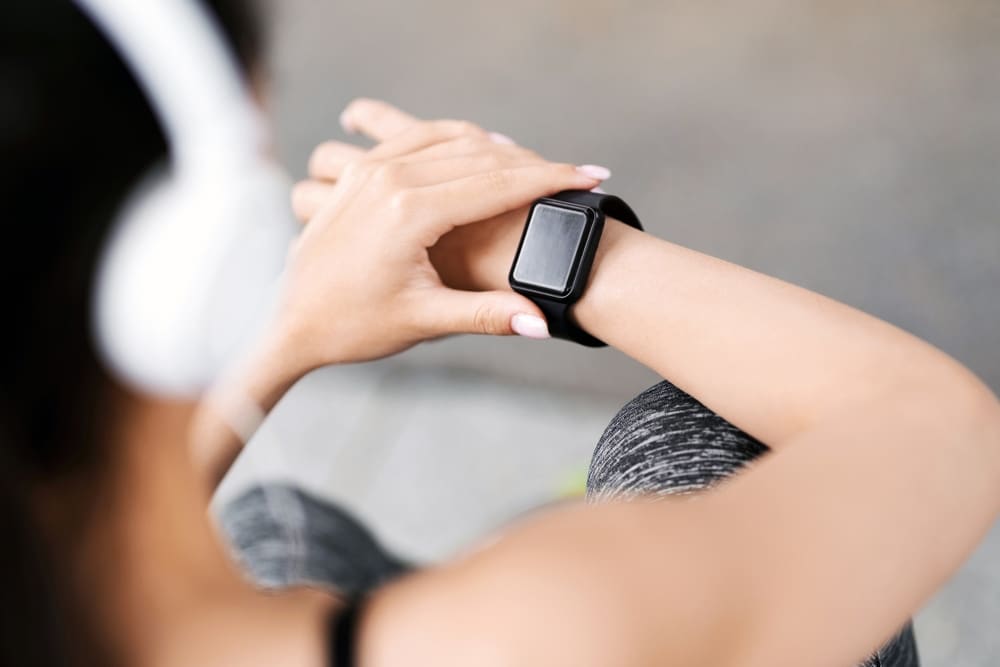
Smartwatches remain a cornerstone of the wearable market because they effectively bridge the gap between communication and health monitoring. For runners, hikers, and gym enthusiasts, having immediate access to biometrics and performance data on the wrist is incredibly useful.
Beyond fitness, these devices serve as a secondary interface that reduces phone usage. Tasks such as checking a calendar, controlling a playlist, or responding to an urgent message can be completed in seconds. The most effective approach to using a smartwatch is selecting features that align with personal goals—whether that means prioritizing high-precision GPS for trail running or focus-mode notifications for a streamlined workday.
The Rise of Minimalist Health Tracking via Smart Rings
Not every user wants another glowing screen competing for their attention. Smart rings have gained significant traction by offering a “quiet” alternative to traditional wearables. These compact sensors are engineered to sit comfortably on the finger, gathering data on sleep, recovery, and activity levels without the need for frequent manual input.
This movement toward “invisible” technology highlights a broader industry trend: the move toward devices that work for the user rather than demanding work from the user. For those who value data but prefer the aesthetic and simplicity of traditional jewelry, a smart ring offers a sophisticated, non-intrusive solution for long-term health monitoring.
Enhancing Mobility with Advanced Audio Wearables
Wireless earbuds have evolved into a vital tool for the modern, mobile professional and athlete alike. They provide a hands-free conduit for everything from turn-by-turn navigation to professional calls and motivational audio. For commuters and pedestrians, audio-based information delivery allows for continuous movement without the need to stop and consult a map.
Developments in open-ear technology have further improved the experience for outdoor users, allowing them to enjoy audio content while remaining fully aware of their surroundings. As with any device worn on the body, the ergonomics of earbuds are paramount. A device must remain secure and comfortable over several hours to truly become a staple of someone’s daily gear.
Prioritizing Ergonomics and Aesthetic Design
Unlike traditional electronics, wearables are physical extensions of the self. Because they are worn for long durations, their physical design is just as critical as their processing power. Factors such as weight distribution, skin-friendly materials, and battery efficiency are essential for a positive user experience.
Furthermore, because wearables are visible fashion choices, style cannot be overlooked. A device with incredible specs will likely be left on the charger if it doesn’t align with the user’s personal style. This is why many manufacturers are moving away from the “gadget” look and toward designs that mirror classic watches, jewelry, and eyewear.
Building a Tech Ecosystem Based on Actual Needs
The ideal wearable configuration is highly subjective and should be dictated by a person’s specific lifestyle. A weekend adventurer’s requirements for ruggedness and battery life will differ greatly from an urban professional’s need for sleek notification management.
Before investing in new hardware, it is helpful to identify the specific “pain points” in your current routine. Do you find yourself getting distracted when checking directions on your phone? Would you benefit from tracking your recovery cycles? By focusing on solving specific inconveniences rather than chasing the latest features, you can ensure that your technology provides genuine utility.
Avoiding the Trap of Device Overload
With so many options available, it is easy to accumulate a collection of gadgets with redundant features. In many cases, a streamlined approach is more effective than a multi-device setup that requires constant management and multiple charging cables.
A well-chosen smartwatch might handle 90% of your needs, while a pair of high-quality smart glasses might be the only other tool necessary for your specific workflow. Selecting devices that complement rather than compete with each other ensures that technology remains a help rather than a burden.
A Vision for More Natural Human-Tech Interaction
The future of wearable technology is leaning toward more intuitive, less intrusive designs. We are seeing a move away from large displays toward interfaces driven by advanced sensors, voice assistance, and AI that anticipates user needs. For active individuals, this is a welcome shift, as it allows for a deeper connection with the physical world while maintaining the benefits of a connected life.
Ultimately, the most successful smart wearables are the ones that become nearly unnoticeable. They provide the right information at the right time and then fade back into the background. As technology continues to mature, the focus will likely remain on this balance of simplicity and functionality, ensuring that our devices support our lives without defining them.
Summary of Key Takeaways for Wearable Tech
Modern wearable technology is designed to reduce the friction between our digital and physical lives. By prioritizing hands-free operation and background data collection, devices like smartwatches, rings, and AI eyewear allow active users to stay connected and health-conscious without being tethered to a smartphone screen. To get the most value from these tools, users should focus on ergonomics, style, and specific lifestyle needs, choosing a streamlined ecosystem that enhances their daily routine rather than complicating it with unnecessary gadgets.