


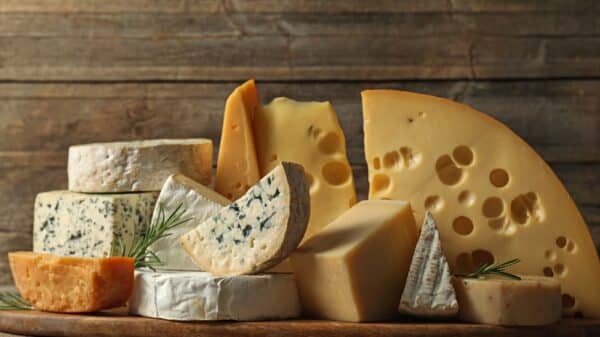














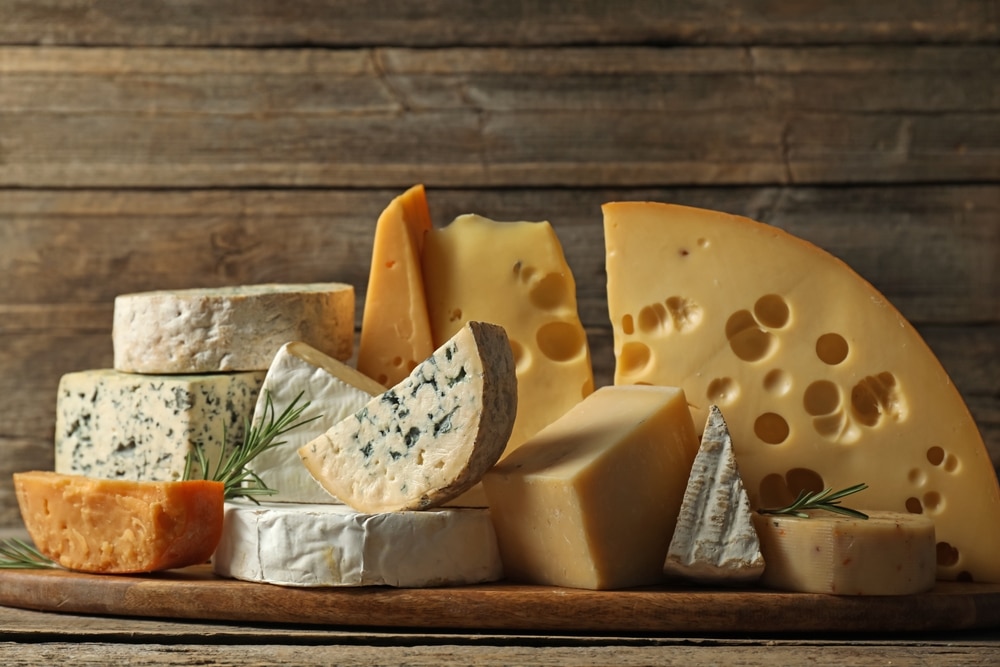
Cheese is a dietary staple for many, appearing in everything from elegant charcuterie boards to the classic comfort of a grilled cheese sandwich paired with tomato soup. Beyond its culinary versatility, cheese is often praised for its high protein content, making it a satisfying snack that can be enjoyed on its own or integrated into various recipes.
However, not all cheese products offer the same nutritional benefits. According to Giana DiMaria, RD, an Instructor of Medicine at New York Medical College, certain varieties are far less beneficial for your health than others. Specifically, one common grocery store staple stands out as a choice you might want to reconsider during your next shopping trip.
The Least Nutritious Cheese Option Found in Grocery Aisles
While many people have fond memories of American cheese singles melted into macaroni or sandwiches, DiMaria identifies these processed slices as the unhealthiest cheese option available at the supermarket. The primary concern lies in how these “singles” are manufactured.
American cheese singles are not traditional cheese but rather a “prepared cheese product.” Depending on the specific brand and formulation, these products typically contain a mix of:
- Traditional cheeses like Colby or Cheddar
- Dairy byproducts such as milk and whey
- Coloring agents and chemical preservatives
- Emulsifying salts
How to Identify Processed Cheese by the Label
To help consumers understand what they are buying, federal regulations require specific labeling for processed dairy products. You will often see terms like “pasteurized process cheese” or “pasteurized process cheese food” on the packaging. These designations indicate that the product has been modified with extra ingredients to achieve a specific texture or shelf life.
For example, a standard package of American cheese slices may be labeled as a “Pasteurized Prepared Cheese Product.” A glance at the ingredient list often reveals components that extend beyond simple milk, salt, and enzymes, including skim milk, whey, milk protein concentrate, and phosphate-based additives like sodium phosphate and calcium phosphate.
Understanding the Risks of Phosphate Additives
Being mindful of processed food ingredients is vital for maintaining long-term wellness. Research, including findings published in The Journal of Nutrition, indicates that diets heavy in phosphate additives may be linked to gastrointestinal discomfort.
DiMaria explains that emulsifying salts, such as sodium phosphate, can disrupt the balance of the gut microbiome. These additives may also cause osmotic fluid shifts, which draw excess water into the intestines, potentially leading to abdominal cramps or a mild laxative effect. While phosphorus is a naturally occurring and essential mineral found in many whole foods, the inorganic phosphate additives found in processed cheeses are highly bioavailable, making it easier for the body to become overloaded. It is worth noting that while healthy individuals typically process phosphorus efficiently, minimizing these additives can support better digestive harmony.
Healthier Substitutes for Creamy Spreads
If you enjoy a creamy cheese for dips or spreads, there are much more nutritious alternatives to processed slices. DiMaria suggests opting for whole or part-skim ricotta or blended cottage cheese. These options provide a significant amount of satiating protein with minimal saturated fat. Ricotta is particularly beneficial for those monitoring their salt intake, as it is naturally low in sodium. When selecting cottage cheese, look for “low-sodium” or “no-salt-added” versions to keep your heart health in check.
Flavorful Alternatives: Aged Cheddar and Swiss
For those who prefer a more robust and tangy flavor profile, real cheese is always a better choice than a processed substitute. Aged varieties such as sharp Cheddar or Swiss provide a deep flavor without the need for artificial additives or emulsifiers. These cheeses are often naturally lower in lactose as well, which can be an added benefit for some consumers.
Melting Alternatives: Mozzarella and Provolone
If your goal is to find a cheese that melts smoothly for sandwiches or pizzas, you don’t have to rely on processed singles. DiMaria recommends choosing part-skim, low-moisture mozzarella or provolone. These cheeses provide the desired “meltability” while offering a cleaner ingredient profile and a healthy dose of calcium.
Best Cheese Choices for Heart Health and Cholesterol
Managing cholesterol levels often requires a reduction in saturated fat intake. Rather than reaching for full-fat processed cheeses, DiMaria suggests swapping them for part-skim mozzarella, part-skim ricotta, or low-fat cottage cheese. Making these substitutions allows you to enjoy the protein and calcium benefits of dairy while supporting a heart-healthy diet.
Managing Sodium Intake with Hypertension-Friendly Cheeses
For individuals dealing with high blood pressure, sodium content is a primary concern. Processed American cheese is notoriously high in salt, which can contribute to hypertension. A better strategy is to choose naturally lower-sodium cheeses like Swiss. Additionally, practicing portion control by sticking to a single serving size can help you enjoy cheese without exceeding your daily sodium limits.
Key Takeaways for Choosing Better Cheese
While cheese remains a beloved part of many diets, making informed choices at the grocery store can significantly impact your digestive and cardiovascular health. By avoiding highly processed “cheese products” and opting for whole-food alternatives like aged cheddar, ricotta, or low-moisture mozzarella, you can enjoy better flavor and superior nutrition. Always read the labels for hidden phosphate additives and consult with a healthcare professional if you have specific dietary concerns related to cholesterol or hypertension.