

















A recent social media post has sparked a widespread conversation about the predatory pricing tactics often found in major tourist destinations. Nicole Ann, a visitor from the United States, shared a cautionary tale on Facebook after being charged €44 (approximately $50 USD) for two gelatos at a shop called Don Nino in Rome. The post quickly went viral, garnering over a thousand comments from sympathetic travelers and frustrated locals alike.
The Mechanics of a Common Roman Tourist Trap
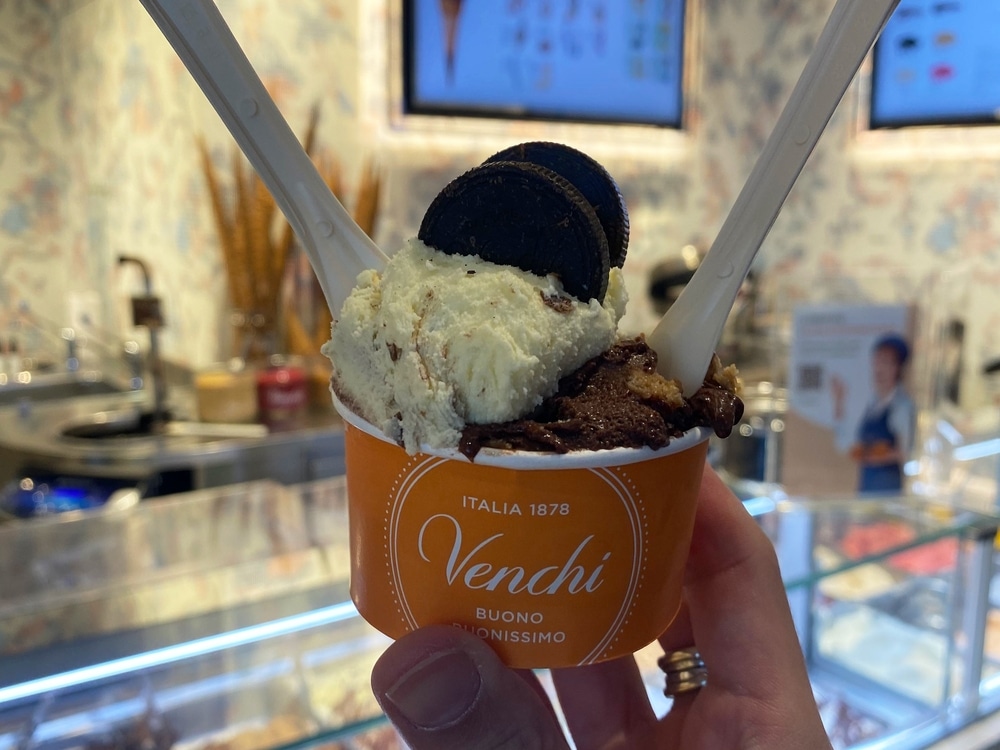
While exploring the historic streets of Rome, Ann and her companion stopped for what they expected to be a simple, affordable treat. According to her account, the staff at the gelateria provided “maxi” sized servings and added various premium toppings—including cannoli, macarons, and whipped cream—without being asked. The presentation implied these extras were included or complimentary. Furthermore, the establishment did not have prices clearly displayed, leading the tourists to assume the cost would align with the standard rates they had encountered elsewhere in Italy.
The confusion peaked at the register. Ann noted that the verbal total sounded like €14, but upon checking her receipt after the transaction, she realized the actual charge was €44. Beyond the exorbitant price, she described the quality of the gelato as disappointing, noting it was the least enjoyable of her ten-day trip. This experience highlights a recurring issue in high-traffic areas where quality often takes a backseat to profit margins.
Community Warnings and the Importance of Digital Reviews
The viral nature of the post brought to light a significant amount of feedback regarding the specific establishment. Many commenters pointed out that Don Nino holds a 1.4-star rating across several Google Maps locations in Rome. Reviews from other visitors frequently mention similar experiences involving misleading sales tactics and inflated pricing. One tourist shared a nearly identical story near the Trevi Fountain, where they were charged €33 for two ice creams despite specifically asking for the price beforehand.
Local Italians also joined the discussion, expressing embarrassment over such practices. Common advice from residents includes verifying prices before an item is prepared and, crucially, refusing to pay or leaving the product on the counter if the final price does not match what was advertised or expected. In Italy, authentic, high-quality gelato typically costs less than €5 per serving, making a $25-per-cup price tag a clear red flag.
Identifying Red Flags in Popular European Hubs
This issue is not isolated to Rome. Similar reports have surfaced in other major cities, such as Paris, where some establishments have been known to adjust pricing or request tips specifically from tourists, a practice that is not customary for locals. Travelers can often identify “tourist traps” by observing the clientele; a lack of local customers is frequently a sign that a business relies on one-time visits from unsuspecting travelers rather than repeat business from the community.
Despite her frustration, Ann chose not to dispute the credit card charges, viewing the incident as a “disheartening” mistake. She clarified that while she had traveled extensively through Italy without issue, Rome was the primary location where she encountered such aggressive pricing schemes. Her story serves as a reminder that even experienced travelers can be caught off guard when fatigue or convenience takes precedence over due diligence.
Final Takeaways for Navigating Travel Expenses
To avoid similar financial surprises while traveling, experts and frequent flyers suggest a few key strategies. Always check online reviews on platforms like Google or TripAdvisor before entering a shop in a high-traffic area. Ensure that prices are clearly posted, and if they aren’t, confirm the total cost—including any toppings or “upgrades”—before the order is processed. By staying vigilant and being prepared to walk away from suspicious transactions, travelers can protect their budgets and focus on the authentic experiences that make international travel rewarding.