



















Laura Verberne, a professional pole dancer and prominent calisthenics athlete, has raised the stakes for core conditioning with a creative yet grueling new fitness challenge. Known to her followers as “x.hellnokitty,” Verberne combined the mechanical difficulty of a hanging leg raise with the precision of a “ball in a maze” game, resulting in a workout that tests both physical strength and fine motor control. Inspired by fellow fitness creator Emanuela, Verberne described the movement as a “diabolical” way to target the midsection, earning significant attention from the online fitness community.
Step-by-Step Guide to the Tennis Ball Hanging Leg Raise
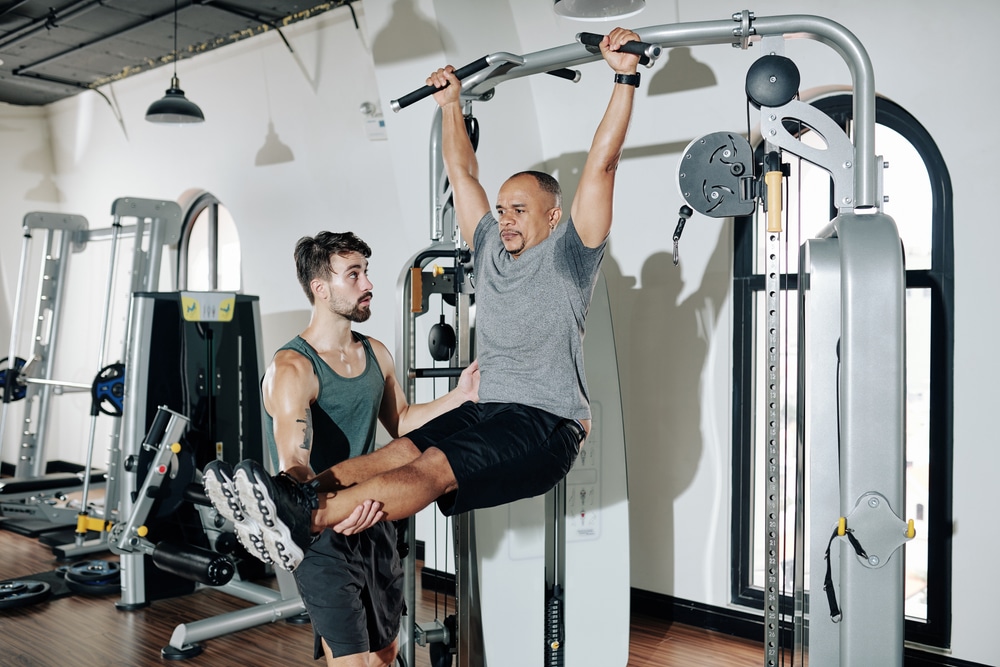
Executing this challenge requires an immense amount of stability and coordination. To begin, the athlete sits beneath a pull-up bar and balances a weight plate across their shins. A tennis ball is then placed on the surface of the plate. The athlete must grip the bar and transition into a hanging position, lifting their legs into a straight-leg raise while ensuring the ball remains on the plate.
The objective is to manipulate the angle of the hips and legs to guide the tennis ball into the center hole of the weight plate. Unlike a standard leg raise, which focuses on vertical movement, this variation requires constant micro-adjustments to maintain balance. Verberne noted that the task was exceptionally difficult, requiring numerous attempts and significant focus to successfully navigate the ball into the center while suspended.
Targeted Muscle Groups and Functional Benefits
This exercise offers a comprehensive workout for the entire body, with a specific emphasis on the deep core and stabilizing muscles. Because the athlete must tilt and rotate the weight plate to move the ball, the obliques and transverse abdominis are heavily recruited to manage rotational forces. The primary movers for the leg raise—the rectus abdominis and hip flexors—must remain under constant tension to keep the plate level.
Beyond the core, the challenge taxes the upper body and grip strength. Maintaining a dead hang while performing complex leg movements requires significant engagement from the lats, shoulders, and forearms. Additionally, the quadriceps must stay engaged to provide a stable “shelf” for the weight plate, making this a high-intensity, full-body stability exercise.
Social Media Reactions to the Viral Core Workout
The fitness community responded with a mix of awe and intimidation after witnessing Verberne’s demonstration. Many commenters pointed out the sheer difficulty of balancing even a light weight plate while suspended. Fitness enthusiasts noted that simply watching the clip felt like a workout, while others expressed a cautious desire to attempt the “maze” challenge themselves to test their own stability and discipline. The viral nature of the post highlights a growing interest in “gamified” fitness routines that challenge the brain as much as the body.
The tennis ball hanging leg raise challenge serves as a testament to the advanced level of control required in calisthenics and pole fitness. By adding a cognitive and balance-based element to a traditional strength movement, athletes can identify weaknesses in their stability and improve their overall functional core strength. While highly difficult, it provides a unique benchmark for those looking to move beyond standard abdominal exercises.