



















Historically, the process of aging has been viewed as an unchangeable result of accumulating molecular damage over time. This perspective suggests that cells face gradual deterioration due to random errors, oxidative stress, and age-related wear and tear, leading to a decline in functionality.
Recent research, however, is challenging this conventional view. Advances in the field of epigenetics—the study of gene expression regulation without altering the DNA sequence—indicate that aging could follow defined biological patterns instead of a mere chaotic decay. These developments have prompted some scientists to reconsider aging as a genetically regulated process rather than one solely characterized by repetitive damage.
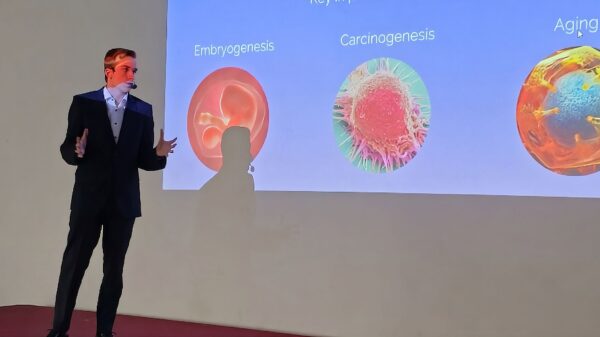
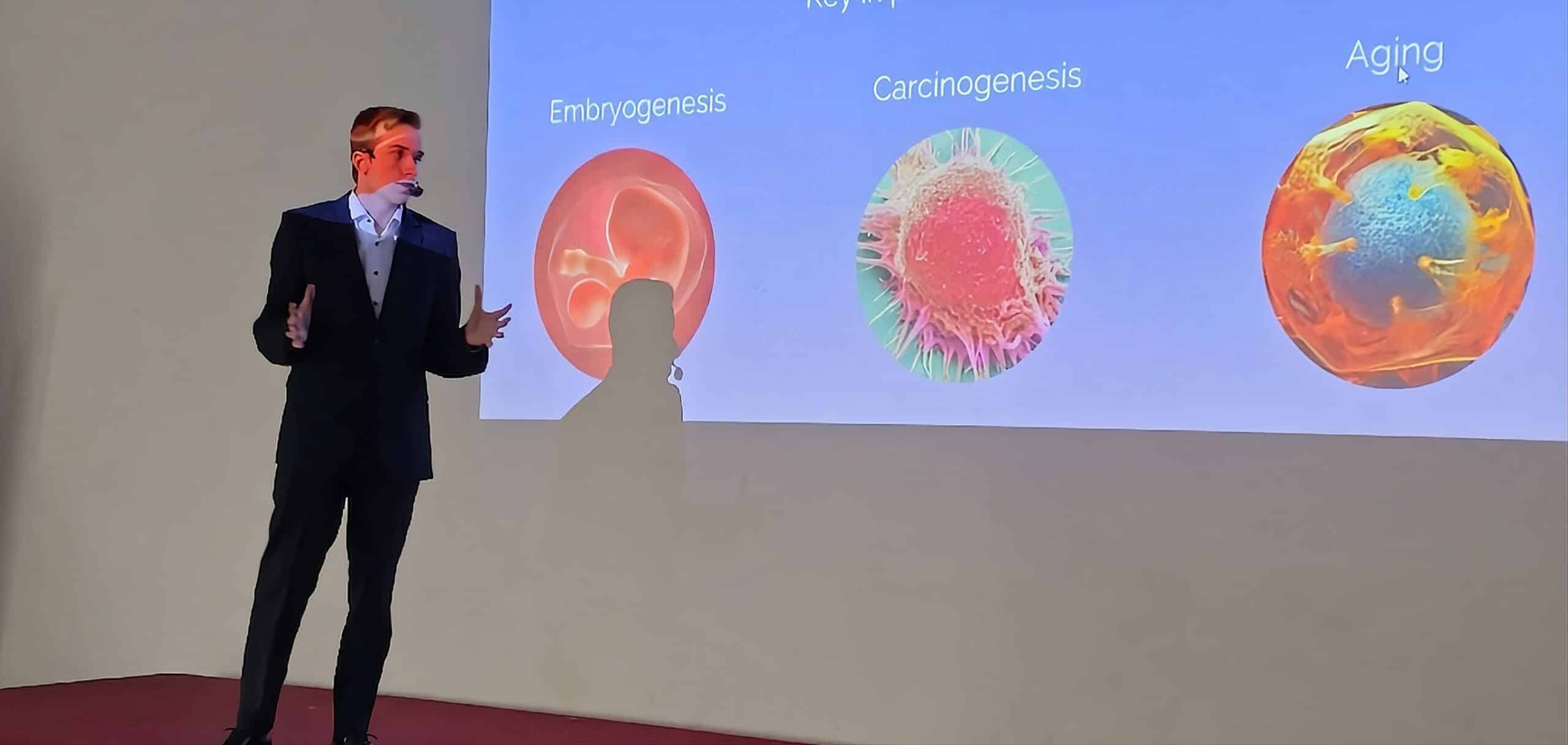
A key figure in this emerging narrative is Marcos Arrut, a researcher focused on the biology of aging and the CEO of RenovaCode Therapeutics, a biotechnology firm dedicated to developing interventions for age-related issues. Arrut posits that the accumulation of damage model does not adequately explain new experimental findings, which highlight systematic changes in the epigenome as organisms age. This suggests that aging operates similarly to biological development, rather than random deterioration.
Arrut points to epigenetic mapping studies as major evidence against the traditional perspective. These studies reveal that age-related epigenetic modifications are not random throughout the genome. If aging were the byproduct of random damage, one might expect to see inconsistent and chaotic epigenetic shifts among different cells. Instead, research indicates that a significant proportion of the regions controlling age-related gene expression change in a structured, orderly, and hierarchical fashion.
Arrut remarked, “There is no randomness, no chaos, no unstructured accumulation of damage.” He further stated, “Epigenomic changes associated with aging follow consistent patterns across all cells and individuals.” This degree of consistency presents a challenge to the damage-centric model.
This new understanding redefines aging as a process led by biological regulation rather than simple entropy. The genetic program hypothesis posits that aging results from the strategic activation and suppression of gene networks over time—networks that may have developed to serve broader population or evolutionary purposes, rather than focusing exclusively on the longevity of the individual.
The implications of this paradigm shift are profound. If aging is, at least partially, a programmed process at the genetic and epigenetic levels, it could also be subject to modification. Research in areas like partial cell reprogramming and epigenetic manipulation has demonstrated the possibility of reversing aging in controlled environments, effectively rejuvenating gene expression patterns without changing cellular identity. While translating these findings into safe human therapies remains challenging, the long-held belief that aging is irreversible is starting to shift.
Scientists examining this framework emphasize that viewing aging as a genetic program does not suggest that intervention will be easy or immediate. Instead, it implies that aging functions within biological boundaries that can be explored, mapped, and potentially adjusted. From this viewpoint, aging transforms from an inevitable fate into a biological state that might eventually be influenced by targeted scientific measures.