



















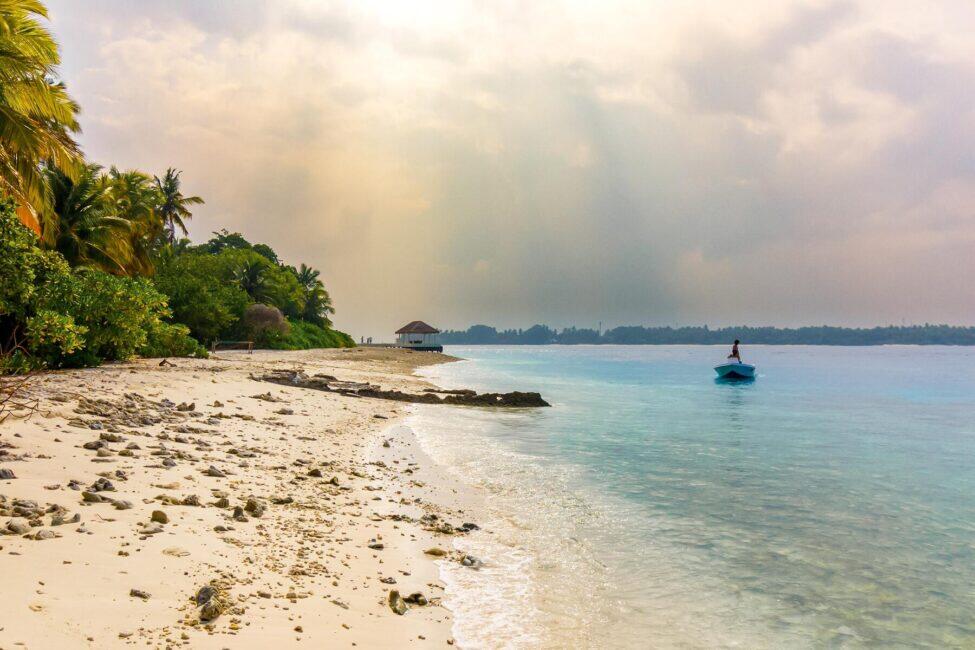
The Maldives is celebrated for its breathtaking scenery, yet many travelers remain unaware that pollution often overshadows its high tourist season.
As thousands of individuals plan their ideal getaway to the Maldives each month, a significant number are oblivious to the regular alerts about hazardous pollution levels during peak season. Tourists tend to spend the entirety of their vacations outdoors, placing them in groups that are particularly vulnerable to these environmental conditions.
One might easily presume that such a remote island locale would offer pristine air quality, especially considering its distance of 380 miles from India and 480 miles from Sri Lanka. The Maldives benefits from a constant sea breeze, and only a small percentage of its residents—19 percent—own vehicles. Adding to this, the nation continually advocates for awareness about climate change. However, research from Maldives National University indicates that nearly 70 percent of days from December to March, which constitutes the high season, experience air quality that exceeds the standards set by the World Health Organization.
The high season for 2025-2026 has turned out to be one of the worst in terms of air quality, as reported by many residents who are increasingly frustrated with what has historically been labeled as mere seasonal haze. Keeping track of the Air Quality Index (AQI) levels since early December 2025, I found alarming readings frequently surpassing 160, which is officially categorized as unhealthy for everyone, not just those with pre-existing health issues.
The Health Protection Agency (HPA) has issued several red alerts concerning air quality this season, but these warnings have only circulated on social media and are primarily available in Dhivehi, the local language. While it’s vital for local institutions to communicate in their national language, this has led to a considerable lack of information for the 2.25 million international visitors who do not speak Thaana script.
“This risk is easily overlooked because the environment appears clean and serene,” remarked Dr. Saravanan Thangarajan, an environmental health expert and Harvard Visiting Scientist. “Without clear warnings, individuals cannot minimize their exposure. Despite the picturesque surroundings, the detrimental effects of pollution still impact the body.”
The Asian Brown Cloud
The pollution affecting the Maldives comprises fine particulate matter known as PM2.5, resulting from emissions from vehicles, coal power plants, agricultural fires, and wildfires. Despite not being an industrial nation, where tourism and fishing dominate the economy, the geographic reality is that the Maldives lies downstream of one of the most polluted areas globally.
The Asian Brown Cloud is a significant layer of pollution straddling from the Arabian Peninsula to China, nearly two miles thick. Each December, the seasonal winds shift from southwest to northeast, drawing these harmful particulates toward the Maldives.
“These fine particles can infiltrate our respiratory system and enter the bloodstream directly, leading to heightened blood pressure and increased risks of serious health issues such as heart attacks and strokes,” explained Dr. Mohamed Ali, a pulmonologist at Indira Gandhi Memorial Hospital in Malé. “Additionally, existing lung conditions like asthma and COPD may worsen as a result.”
According to studies, approximately 90 percent of the air pollution during the high season around Malé is attributed to the Asian Brown Cloud. While rain may temporarily enhance air quality, it is quite rare during the high season.
Cumulative Exposure
Tourists drawn to the Maldives for the reliable sunshine typically spend the majority of their time outdoors on the beaches, enjoying meals in open-air venues, and enjoying nightlife under the stars. This pattern of behavior over a standard two-week holiday can result in substantial cumulative exposure to air pollutants, as confirmed by Dr. Ali and Dr. Thangarajan.
The danger becomes even more pronounced for individuals engaging in physical activities. Many visitors may not realize the negative effects of exercising outdoors in polluted air until they experience symptoms like headaches or fatigue, particularly if they are involved in water sports or outdoor running.
“Cumulative exposure is significant for travelers who spend extended periods outdoors, which intensifies with exertion,” asserted Dr. Thangarajan. “Exercise increases the volume of polluted air inhaled, making outdoor activities in beach settings potentially more harmful than expected.”
Keeping the Maldives’ Pollution Hush-Hush
In discussions with various contacts within the Maldivian tourism sector, it became clear that many feel visitors should be forewarned about high seasonal air pollution levels. However, few are willing to speak on the record due to concerns about the potential negative impact on tourism, particularly in light of rising operational costs and flight cancellations linked to geopolitical tensions.
“It’s a very discreet topic,” one insider remarked, pointing out that discussions about air quality are reportedly underway between the Maldivian government and neighboring nations. Yet, specific actions regarding public AQI alerts remain absent.
The Ministry of Foreign Affairs confirmed discussions about transboundary pollution but noted that formal warnings for travelers have yet to be implemented. Both Dr. Thangarajan and Dr. Ali suggested that notifications should be made available in both Dhivehi and English to ensure that visitors have the opportunity to protect their health while enjoying their stay.
As Simple as ABC
Although the AQI varies daily, signaling that not every day during high season will pose hazardous levels of pollution, precautions should still be taken. The majority of air quality complaints tend to dissipate when the less polluted shoulder and low seasons commence from April to November.
Looking ahead, there is optimism. If neighboring countries agree to reduce emissions from vehicles and industries, significant improvements in air quality could be achieved. A recent World Bank report indicated that successful initiatives in areas like China’s Jing-Jin-Ji region have demonstrated substantial reductions in harmful emissions over a decade.
This underscores the broader potential for South Asia to enhance regional air quality and ensure cleaner air for the Maldives year-round.
Tips for Staying Safe in the Maldives
While a comprehensive alert system is not in place, there are proactive steps visitors can take during high season:
Monitor the daily Air Quality Index on available platforms to remain informed about fluctuating conditions before planning outdoor activities. Local media and the Maldives Meteorological Service occasionally issue AQI updates.
If the AQI readings fall between 150 and 200, it is advisable to limit extended outdoor exertion, particularly for sensitive populations such as individuals with respiratory or cardiac issues.
When the AQI exceeds 200, it is essential for everyone to minimize outdoor activities and remain indoors as much as possible. Consider utilizing indoor spa services during these times to maintain health and well-being.
For individuals particularly susceptible to poor air quality, wearing a well-fitted N95 or KN95 mask outside on days with low AQI levels may provide additional protection. Moreover, integrating breaks indoors into your itinerary can help avoid prolonged exposure, and utilizing air conditioning in accommodations rather than keeping windows open can further safeguard against pollutant exposure.