


















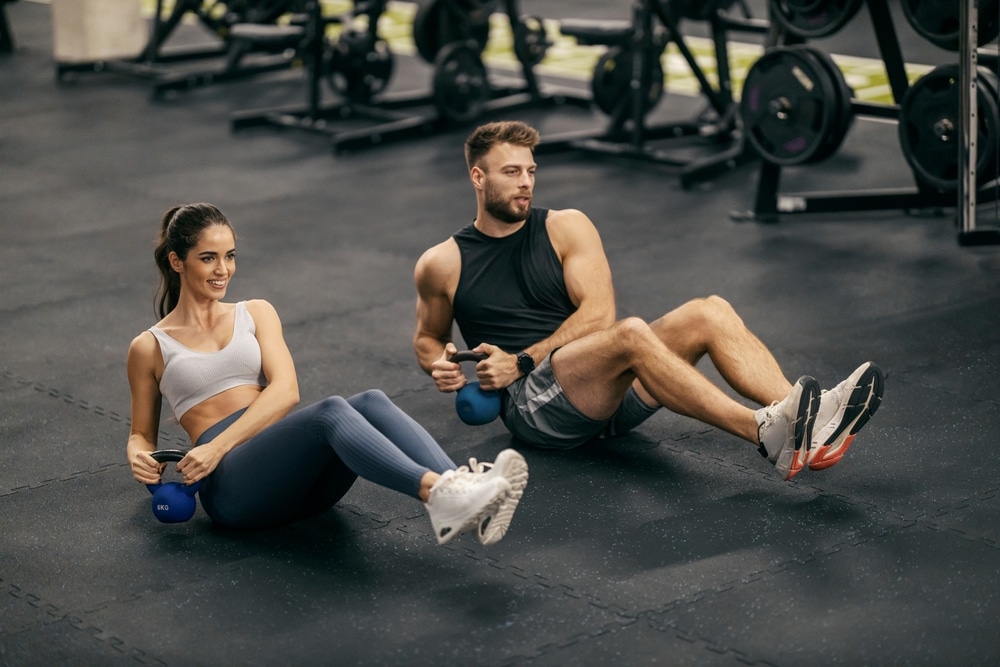
Core workouts encompass more than just achieving a visible six-pack; they focus on fostering a robust and functional core that enhances overall stability and control. The notion that core strength is solely about aesthetic appearance can mislead individuals into either overdoing their workouts or completely avoiding core exercises. In reality, core health significantly contributes to making everyday tasks safer and more manageable.
Building a strong core doesn’t necessitate expensive gym memberships or specialized equipment. A simple yoga mat and a small space can set the foundation for your training journey. By adhering to a consistent routine featuring straightforward exercises, individuals can witness remarkable improvements over time. The goal should be to create a supportive approach to core training, which can lead to transformative results in an unexpectedly short time.
Why Building a Strong Core is Important
The core plays a vital role in every movement we perform. It is responsible for stabilizing the midsection and allows for efficient force transfer between the upper and lower body. A strong core not only fosters good posture but also makes routine activities, such as grocery shopping or everyday walking, significantly easier. Furthermore, effective core control is thought to facilitate experiences during childbirth by potentially shortening labor duration and aiding recovery afterward.
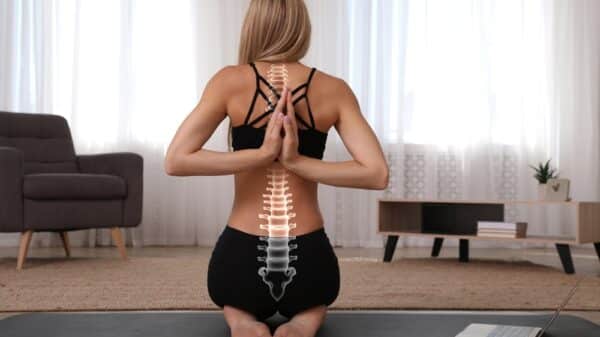
A compromised midsection often causes neighboring muscles to engage excessively to compensate, leading to discomfort. Over time, this compensatory action heightens the risk of injury, particularly during weightlifting or exercise. A crucial function of the core is safeguarding the spine. For individuals with desk jobs, the detrimental effects of prolonged sitting can be counteracted by developing a proficient core foundation.
Below are seven essential exercises to help cultivate a stronger core.
1. Dead Bug
The Dead Bug exercise is a favorite among fitness enthusiasts due to its safety and effectiveness in stabilizing core strength while allowing for limb movement. This exercise includes alternating movements of arms and legs while ensuring that the midsection and lower back remain flat against the floor.
Dead Bugs activate the abdominal muscles crucial for maintaining good posture and alignment. This exercise is particularly beneficial for beginners, as it reinforces proper alignment without adding stress to the lower back. To engage your core effectively, envision the sensation of getting ready to sneeze.
2. Bird Dog
This low-impact exercise effectively targets the core. Starting from an all-fours position, extend one arm while simultaneously elongating the opposite leg, all while keeping the torso stable. The challenge lies in resisting unnecessary swaying, thereby promoting balance and coordination.
Practicing the Bird Dog enhances coordination and body control, offering relief to those experiencing joint stiffness or tightness. Slow and controlled movements deepen your understanding of stability.
3. Glute Bridge
Glute Bridges serve as a powerful exercise for training the entire core, including the glutes and hamstrings. In this exercise, hip mobility and core stability go hand in hand. Glute Bridges alleviate tension and bolster core strength. Weak glutes can often lead to overworking the lower back, resulting in discomfort throughout the day.
These bridges are simple to perform and require no special equipment. You can incrementally increase the resistance by adding weight, enabling safe strength building. They are also beneficial for correcting anterior pelvic tilt.
4. Plank Hold
Planks are widely recognized for enhancing core strength, although they are often performed incorrectly. When done properly, they build endurance and engage the deeper core muscles while stabilizing the spine. You can choose to support your body weight using either your forearms or hands.
Similar to glute bridges, you can intensify the challenge by adding weight on your back. Planks are key for gradually mitigating hip tilt, and honing your technique over time will enhance the benefits derived from this exercise.
5. Side Plank
Side planks effectively cultivate central stability and overall torso strength. They specifically target the obliques, those often-overlooked muscles running along the sides of the abdomen. Strengthening these muscles is crucial for a functional trunk.
For those who may struggle with balance, it’s advisable to start with shorter hold durations. The primary objective in these exercises is to prioritize proper form. Regular practice of side planks contributes to improved stability in various movements.
6. Standing March Hold
Core exercises can also be performed without being on the ground. The Standing March Hold entails maintaining an upright position while lifting one knee, focusing on balance and posture. Although it may seem challenging at first, persistent practice will enhance balance and core control.
This exercise facilitates movements such as climbing stairs or reaching down to pick things up. Once you achieve stability, you can enhance the intensity by holding weights overhead or at chest level. Incorporating resistance bands around the ankles can greatly elevate the challenge.
7. Heel Slides
Heel slides are straightforward and suitable for individuals of all ages. While lying on your back, slide one heel away from your body at a time, ensuring that the lower back remains pressed against the floor. Engage your core by controlling rib flare and tucking your hips.
When executed slowly and with control, heel slides are effective at training deep abdominal muscles. Just like dead bugs, they enhance coordination and stability, supporting functional movement and making daily tasks easier.
Final Thoughts
Building a strong core forms the foundation for a healthy and active lifestyle. Core training can be accessible, low-impact, and easily intensified using weights or resistance as needed. Importantly, you can enhance core health without the use of equipment or the need to leave your home.
Incorporating these movements into your routine will support good posture, spinal health, and overall physical efficacy. A well-designed core workout promotes resilience, coordination, and confidence. Practicing controlled and mindful movements will result in a robust trunk, protecting your joints and minimizing injury risk.