


















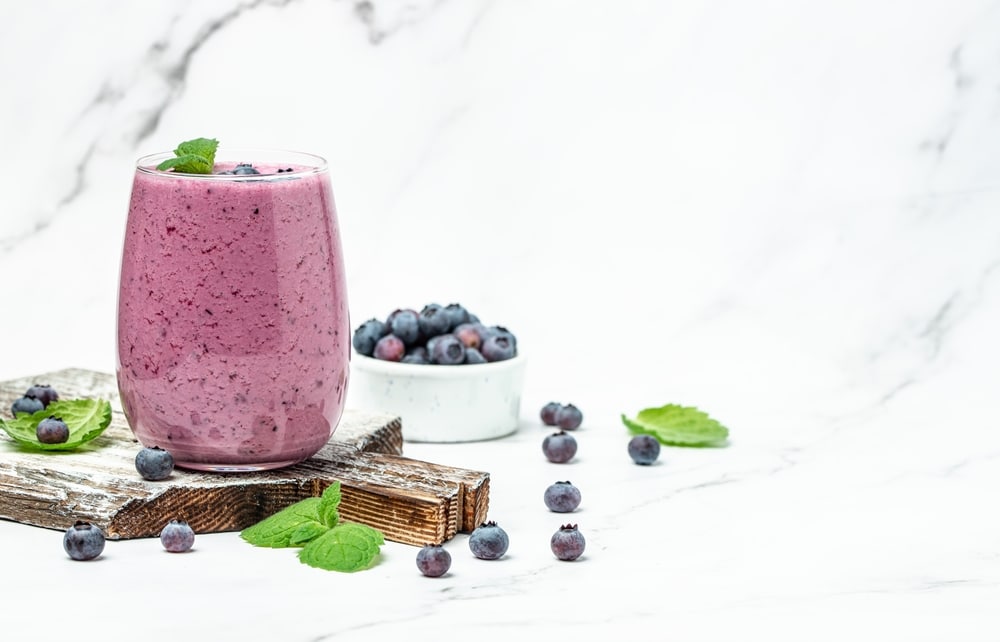
As the temperature rises and training intensity increases, the blender often becomes the most utilized tool in the kitchen. When prepared correctly, a smoothie serves as more than just a refreshing drink; it is an efficient delivery system for the essential nutrients required for muscle recovery and sustained energy. For many fitness enthusiasts, these drinks are a dietary staple. However, common preparation errors can transform a nutrient-dense recovery drink into a source of excessive calories and hidden additives. To maximize the benefits of your blender, it is important to understand how to construct a shake that supports your fitness goals.
Managing Caloric Density in Your Post-Workout Shakes
For those engaging in high-intensity training, consuming additional calories is often necessary to fuel performance. However, it is easy to underestimate the energy density of a smoothie. Ingredients such as nut butters, full-fat dairy, and multiple scoops of protein can quickly elevate a drink’s caloric count to that of a heavy meal. This is particularly relevant because liquid calories do not trigger the same satiety signals as solid food, meaning a 500-calorie smoothie may leave you feeling hungry sooner than a balanced plate of whole foods. As a general guideline, aim for a smoothie containing approximately 400 calories, unless it is specifically designed as a comprehensive meal replacement or a recovery fuel following an exceptionally grueling workout.
The Impact of Bananas on Antioxidant Absorption
Bananas are a ubiquitous smoothie ingredient due to their natural sweetness, affordability, and ability to create a creamy texture, especially when frozen. Despite these benefits, recent research suggests they may not always be the ideal choice for every blend. A study conducted by the University of California, Davis, indicated that combining bananas with flavanol-rich foods—such as blueberries, blackberries, or cocoa—can significantly inhibit the body’s ability to absorb these beneficial antioxidants. Flavanols are plant-based compounds known for supporting cardiovascular health.
The culprit is an enzyme found in bananas called polyphenol oxidase (PPO). High levels of PPO can break down flavanols before the body has a chance to utilize them. While bananas remain a healthy food, they may be counterproductive if your primary goal is to maximize antioxidant intake from berries or greens. For those looking to preserve flavanol levels, consider using low-PPO fruits like mango, pineapple, or oranges as a base instead.
Establishing a Balanced Macronutrient Profile
A high-quality smoothie should provide a balanced ratio of macronutrients rather than focusing solely on protein. To create a drink that offers sustained energy and muscle support, incorporate a variety of sources. Carbohydrates can be sourced from fruits, vegetables, or even complex options like oats. Healthy fats, which aid in nutrient absorption and satiety, can be added via avocado, hemp seeds, flax, or nut butters. Finally, ensure a strong protein foundation using Greek yogurt, cottage cheese, ultra-filtered milk, or a clean protein powder. This balanced approach ensures your drink is nutritionally complete.
Selecting Clean Protein Supplements Without Additives
When choosing a protein powder, it is essential to look beyond the macronutrient label. Many commercial powders contain emulsifiers and stabilizers, such as various gums, to improve mixability and texture. However, emerging research suggests that high consumption of these additives may negatively impact the gut microbiome and has been tentatively linked to increased risks of metabolic and cardiovascular issues. While a single serving may not be a major concern, the cumulative effect of emulsifiers found in processed breads, dressings, and bars can add up. Opting for “clean” brands that prioritize minimal ingredients can help you avoid unnecessary additives. While more common in whey products, finding additive-free plant-based proteins is also becoming increasingly possible with careful label reading.
The Benefits of Adding Sodium to Recovery Blends
While salt is often viewed negatively in a general dietary context, it serves a specific physiological purpose in a recovery smoothie. Adding approximately 1/8 of a teaspoon of salt can significantly assist in rehydration. Sodium is a key electrolyte that helps the body retain water, which is crucial after a session characterized by heavy sweating. If your smoothie already contains sodium-rich ingredients, such as cottage cheese, additional salt may not be necessary. However, for a fruit and water-based blend, a small pinch can expedite the restoration of fluid balance.
Incorporating Nutrient-Dense Vegetables
Smoothies offer an excellent opportunity to increase vegetable intake without significantly altering the flavor profile. Options such as spinach, carrots, cooked beets, and even frozen cauliflower blend seamlessly into most recipes. Using frozen vegetables not only adds convenience but also contributes to a thicker, frostier texture. Interestingly, pureeing raw vegetables like spinach may actually improve the bioavailability of certain antioxidants. When these greens are paired with potent flavors like ginger, cocoa, or tart berries, the “vegetable” taste is easily masked, making it a simple way to boost the micronutrient density of your diet.
Controlling Sugar Content for Optimal Health
It is easy for a “healthy” smoothie to turn into a high-sugar beverage if ingredients like honey, dates, sweetened nut milks, and large amounts of fruit are used simultaneously. To keep the glycemic load in check, try to limit your smoothie to two sugar-containing components. In most cases, the natural sugars in fruit provide ample sweetness. When selecting liquid bases or yogurt, always opt for unsweetened versions to avoid unnecessary added sugars that can lead to energy crashes and unwanted caloric surplus.
Enhancing Nutrition and Flavor with Spices
To elevate the flavor of your shakes without adding calories or sugar, look to your spice cabinet. Ingredients such as cinnamon, ginger, cloves, and cayenne pepper do more than just improve the taste; they are concentrated sources of antioxidants. Incorporating these spices is an effortless way to enhance the anti-inflammatory properties of your post-workout nutrition while making your daily routine more enjoyable.
Recipe: High-Protein Berry Cheesecake Smoothie
This recipe provides a balanced mix of protein and healthy fats while maintaining a dessert-like flavor profile. It utilizes cottage cheese for a creamy texture and a significant protein boost.
- 3/4 cup milk of your choice (unsweetened)
- 3/4 cup cottage cheese
- 1 scoop vanilla or unflavored protein powder
- 1 tablespoon almond butter
- 1 teaspoon honey or maple syrup
- 1 teaspoon fresh lemon zest
- 1/4 teaspoon ginger powder
- 1/4 teaspoon almond extract (optional)
- 3/4 cup frozen blackberries or blueberries
Combine all ingredients in a high-speed blender, starting with the liquid base, and blend until the texture is completely smooth.
Final Considerations for Better Smoothie Prep
The key to a truly beneficial smoothie lies in balance and ingredient quality. By being mindful of caloric density, understanding how certain foods interact—like the banana and berry combination—and prioritizing whole-food additions like vegetables and spices, you can transform a simple shake into a powerful tool for health. Remember that the best smoothies are those that satisfy your hunger, provide the building blocks for muscle repair, and avoid the hidden pitfalls of excessive sugars and industrial additives. Use these strategies to refine your recipes and support your long-term fitness and wellness objectives.