


















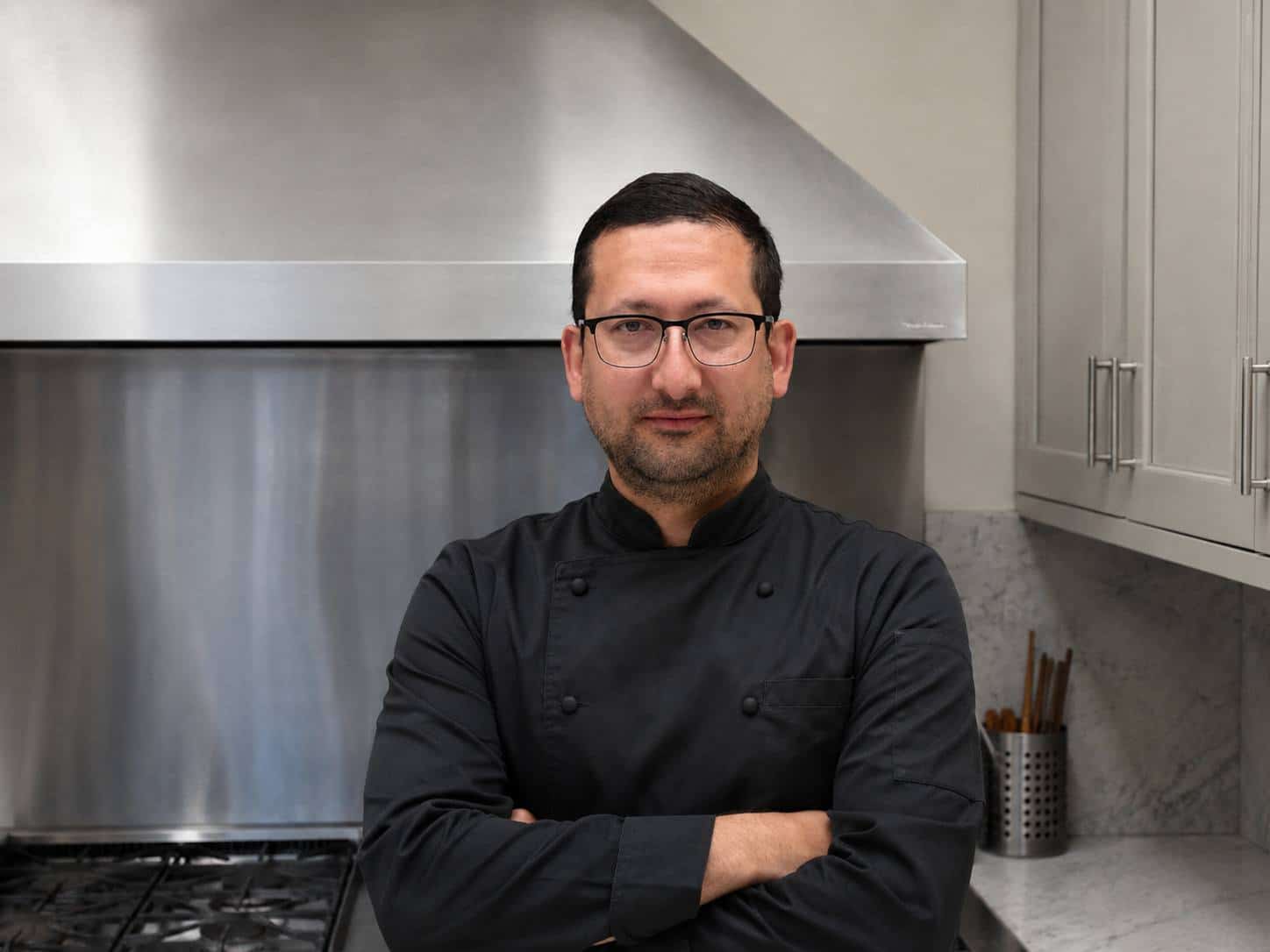
What is it like to be responsible, day after day, for the diets of people whose fortunes run into the hundreds of millions of dollars? Ilia Vlasov knows firsthand. A private chef to high-net-worth households, Vlasov works under an annual contract valued at $240,000. By comparison, private chefs in the United States often earn between $90,000 and $120,000 a year, placing Vlasov near the upper end of the market.
Trend No. 1: Food as Fuel for the Body and Brain
For many business leaders, food has become a performance tool rather than simply a source of pleasure. One of their most common requirements is the elimination of refined sugar and nutrient-poor carbohydrates.
Tom Brady, widely regarded as one of the greatest quarterbacks in NFL history, became famous for a highly restrictive diet that excluded white sugar, caffeine, and dairy products. Sam Altman, CEO of OpenAI, has long followed a vegetarian diet.
“When spirulina becomes popular, clients start asking for spirulina. When goji berries capture everyone’s attention, people suddenly want those,” Vlasov said. “My job as a chef is to anticipate these trends and have the right ingredients in the kitchen before a client asks for them. Sometimes it also means developing an entirely new recipe around a client’s individual preferences.”
It is therefore no surprise that Vlasov is developing his own food venture alongside his work as a private chef. He is creating a tofu-based vegan mayo designed as a plant-based alternative for health-conscious consumers in the U.S. market.
“The one nonnegotiable rule is that the ingredients themselves must be as nutritious and high-quality as possible: organic flour, farm-fresh milk and eggs, and premium protein sources such as Wagyu beef and wild-caught salmon,” he added. “As a chef, I have to be extremely selective about the products I purchase.”
Trend No. 2: The Hidden Indulgences of the Ultra-Wealthy
Not every billionaire embraces the latest wellness trends. Bill Gates, the co-founder of Microsoft, has long been known for his fondness for Diet Coke and cheeseburgers. Richard Branson, the founder of Virgin Group, has said that he drinks as many as 20 cups of tea a day.
“I’ll let you in on a secret: many of my clients love very simple food,” Vlasov said. “They carry an enormous burden of responsibility, and when they come home, they simply want to feel safe and at ease. One way to create that feeling is to serve the food they loved as children.”
“Once, a client gave me a handwritten recipe book that had belonged to their great-grandmother, and I used it to learn how to make the family’s homemade cookies. It was an extraordinary experience.”
From Line Cook to Serving the World’s Elite
People whose names appear on Forbes wealth rankings do not hire private chefs merely for their ability to arrange food beautifully on a plate. Behind the doors of private estates, clients value the discipline, endurance, and operational expertise developed in demanding restaurant kitchens.
Before becoming a private chef in the United States, Vlasov spent more than two decades building and managing major restaurant and food-service projects. He oversaw restaurant openings, sushi production units, and high-volume dining operations, establishing himself as an experienced hospitality executive.
Vlasov represents a relatively rare type of culinary leader: someone who understands the industry from the ground up. Early in his career, he deliberately rotated through different roles. He worked at both hot and cold kitchen stations while also taking shifts as a server and bartender at large entertainment venues, including casinos.
His objective was practical: to master front-of-house operations, understand guest psychology, and see how service systems function from the inside.
At the same time, Vlasov earned a specialized degree in food technology and process engineering. That education fundamentally changed the way he approached kitchen systems, production processes, efficiency, and quality control.
Another major turning point in his career was international training and mentorship at prominent fine-dining restaurants, including La Marée. There, Vlasov worked under internationally recognized chefs and developed practical expertise across more than seven culinary traditions, ranging from Mediterranean and French cuisine to traditional Tatar and vegan cooking.
The next logical step was entrepreneurship. Vlasov launched a food-production company called Chef Nakormit, or “The Chef Will Feed You.” Its production kitchen operated around the clock and prepared and delivered approximately 450 meals a day.
According to Vlasov, strict control over food preparation and continuous process optimization allowed the company to achieve a 25 percent margin. In high-volume food service, where margins of 10 to 15 percent are more common, that represented an exceptional result.
In 2022, shortly before moving to the United States, Vlasov completed a successful exit, selling the company as a turnkey, profitable operation.
That kind of experience translates directly to work in a private estate. A chef with Vlasov’s background can source specialty ingredients from virtually anywhere in the world, manage complex household logistics, and maintain stringent food-safety standards.
What Are Billionaires Really Paying For?
In Vlasov’s view, high-net-worth clients are ultimately paying for four things.
The first is longevity. A science-informed approach to menu engineering is intended to support sustained energy, performance, and long-term health. The chef’s task is to translate those objectives into meals that can be served every day.
The second is safety. Clients expect rigorous ingredient selection, careful food handling, and consistent quality control designed to minimize risks to the household.
The third is time. A private chef takes full responsibility for purchasing, logistics, meal planning, and kitchen operations, freeing the employer to focus on more important priorities.
The fourth is psychological comfort: the assurance that one of the household’s most personal spaces is in the hands of an experienced professional.
Other private chefs who have worked for senior executives at major technology companies describe a similar reality. At this level, clients are not paying only for excellent food. They are paying for the elimination of operational headaches.
Their schedules can change without warning. Dinner may be canceled five minutes before service, or 20 guests may arrive from another continent with almost no notice. For a private chef, the ability to adapt instantly is not an additional advantage. It is an essential part of the job.