

















In recent years, a growing number of individuals have shifted their focus towards managing the signs of aging. However, what many overlook is that the health span is often more critical than the lifespan. Living a lengthy life holds little significance if one lacks the health to fully enjoy it. The encouraging news is that by concentrating on your health, you will naturally start to look and feel revitalized.
A long health span hinges on the seemingly simple practices we incorporate into our daily routines. Did you realize that your everyday habits significantly influence your overall quality of life? Physical therapists are particularly well-suited to guide you on your journey through aging, as they specialize in movement, mobility, and long-term bodily function. Here are some essential habits they recommend to enhance your well-being and longevity.
1. Build Strength to Protect Your Joints
Your joints may be deteriorating faster than you are aware, and this might occur without any noticeable signs. To combat this, physical therapists emphasize the importance of strength training to prevent joint discomfort as you age. The strength of your muscles plays a crucial role in supporting your joints, functioning as shock absorbers for your knees, hips, and shoulders. Incorporating a regular strength training regimen can greatly minimize everyday stress on your body.
Although building muscle may become more challenging as you grow older, it is not unattainable. As the saying goes, “The best time to start exercising is when you are in your twenties; the second-best time is now.” Enhancing muscle strength not only fosters bone density but also lowers the likelihood of sustaining injuries.
2. Prioritize Daily Mobility
Mobility is essential for maintaining your ability to move freely as you age. Physical therapists frequently observe that stiffness is a significant issue associated with aging. Engaging in daily mobility exercises doesn’t need to be overly strenuous or time-consuming. Simple movements performed regularly can significantly alleviate joint tightness and discomfort. Increased mobility leads to better circulation and lubrication of the joints.
Incorporating small mobility sessions into your day gradually enhances your movement confidence and walking ability. Many people do not realize that tight hips and shoulders considerably constrain their daily activities.
3. Walk More to Support Longevity
Walking is widely acknowledged as one of the most beneficial forms of exercise, yet it is frequently undervalued. A daily walking routine yields long-lasting benefits and significantly contributes to healthy aging. Unlike many high-impact exercises that can stress your joints, walking is adaptable to all ages and fitness abilities. Moreover, it enhances circulation and overall well-being with minimal impact on the body.
Walking outdoors provides additional perks, such as enhanced mood and focus. However, inclement weather may limit your outdoor walking opportunities. In such cases, treadmills become a practical alternative, and many treadmill workouts are designed to promote long-term health benefits.
4. Train Your Balance
As a child, the prospect of falling often didn’t deter you. You could simply get back up and continue with your day. As you age, however, the dynamics change. Falls are a leading contributor to injuries among older adults. Although it may not be possible to completely avert falls, you can diminish the risk of injury through balance training.
Achieving good balance requires a combination of muscle strength, vision, and a responsive nervous system. By incorporating balance exercises into your routine, you can fortify your stabilizing muscles and boost coordination. This practice will enhance your confidence and help mitigate the fear of falling, which is essential for maintaining independence as you get older.
5. Strengthen Your Core
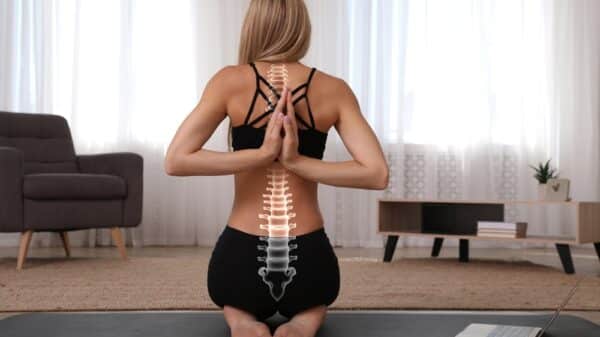
Your core is fundamental in facilitating everyday movements. A robust core stabilizes the spine, enhances posture, and lowers the risk of back pain. Engaging in core-strengthening activities can protect your lower back and assist with daily tasks. There are numerous methods to strengthen your core beyond just traditional crunches.
A well-conditioned core not only enhances your physical activities but also plays a key role in preventing falls. Integrating core exercises into your routine at least twice a week can yield substantial, long-lasting advantages.
6. Recover Better
During youth, the importance of rest and recovery can often be underestimated. However, the body keeps track of these factors. Failure to allow for adequate recovery can lead to significant consequences in later years. Rest is as essential as physical activity, and excessive training increases the risk of injuries.
Implementing active recovery practices can aid in reducing chronic inflammation and bolster joint health. Sleep is a crucial element in the recovery process, enabling the body to rejuvenate for the following day. Ensuring proper rest can enhance exercise consistency, and engaging in mind-body workouts can provide support for both physical and mental well-being.
Final Thoughts
There is no singular approach to aging gracefully. Improving your aging experience revolves around consistent effort, and integrating small, daily habits can significantly change your lifestyle over time. Your daily routine should facilitate movement and maintain the resilience of your joints.
The way you treat your body each day has lasting repercussions. Occasional rigorous workouts offer only temporary benefits. To age more gracefully, prioritizing daily movement is key. The objective is to train wisely rather than just intensely.