



















Cottage cheese has undergone a massive cultural rebranding. Once dismissed as a bland relic of vintage dieting, this dairy staple has surged back into popularity, driven by social media trends and a growing demand for convenient, high-protein snacks. Whether it is being used by fitness enthusiasts to hit daily protein targets or by those seeking nutrient-dense options for weight management, the demand for these curds has never been higher. However, beyond the viral recipes and TikTok hype, there are several nutritional reasons why cottage cheese deserves its newfound status as a modern superfood.
Understanding the Basics of Cottage Cheese
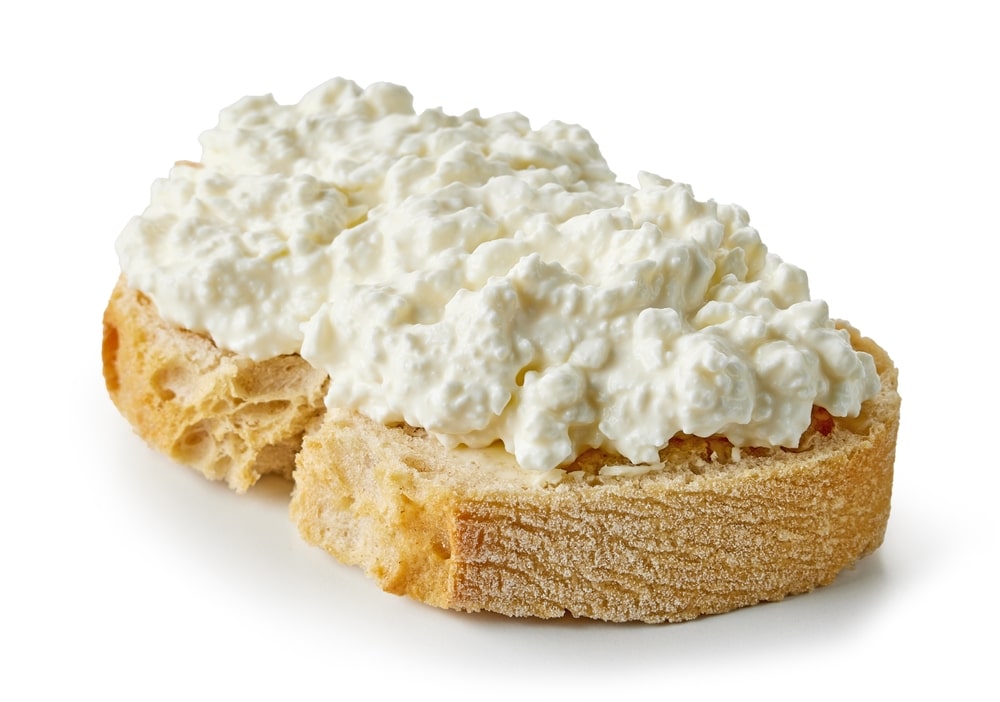
Unlike aged varieties such as cheddar or parmesan, cottage cheese is classified as a “fresh” cheese because it does not undergo a ripening process. The production method is relatively simple: an acid or a specific bacterial culture is added to milk, causing it to separate into liquid whey and solid curds. These curds give the cheese its famous lumpy texture.
Depending on the brand, you can choose between small-curd and large-curd varieties, which is helpful for those who are sensitive to specific food textures. In terms of flavor, cottage cheese is mild, slightly salty, and subtly tangy. This neutral profile makes it incredibly versatile, allowing it to blend seamlessly into both sweet and savory dishes without overpowering other ingredients.
Comparing Budget-Friendly and Premium Brands
As the category has grown, artisanal and premium brands have entered the market, often boasting “cleaner” ingredient lists or superior textures. While these high-end options can be a delicious treat, they are not a requirement for health. Large-scale, store-brand versions found at most major retailers provide nearly identical nutritional benefits at a fraction of the cost.
When selecting a tub, the most important factors are your personal taste and your food budget. If a cheaper brand helps you maintain a healthy eating pattern consistently, it is a perfectly valid choice. The goal is to find a version you actually enjoy eating so that it becomes a sustainable part of your diet.
Why Cottage Cheese is a Powerhouse for Muscle Growth
Protein is the standout feature of cottage cheese, making it a favorite for anyone focused on muscle maintenance or growth. A standard half-cup serving typically contains around 13 grams of protein for only 80 to 100 calories. For comparison, this provides a better protein-to-calorie ratio than large eggs or even plain Greek yogurt. This efficiency makes it much easier to meet high daily protein requirements without consuming excessive calories.
Furthermore, cottage cheese is an excellent post-workout recovery food. Research indicates that even small amounts of milk-based protein are effective at stimulating muscle protein synthesis after resistance training. Many people are now opting for cottage cheese as a whole-food alternative to processed protein powders and bars, which often contain artificial sweeteners and fillers.
Cottage cheese is also widely regarded as one of the best late-night snacks. It is exceptionally high in casein protein, a slow-digesting protein that provides a sustained release of amino acids. Consuming casein before bed can help support muscle repair and growth while you sleep. Additionally, the high protein content promotes satiety, helping to regulate appetite and support weight management goals.
Choosing the Right Cottage Cheese for Your Goals
Deciphering Milk Fat Percentages
Cottage cheese is generally available in fat levels ranging from 0% (fat-free) to 4% (whole milk). A half-cup of fat-free cottage cheese has about 80 calories, while the 4% version contains approximately 120 calories and 5 grams of fat. While these differences may seem small, they can impact your total daily intake if you consume it frequently.
The choice depends on your overall dietary needs. Lower-fat versions are useful for those strictly monitoring calorie or saturated fat intake. However, the 4% variety is often more satisfying and has a richer flavor. Current research into dairy fat is ongoing; while some studies advise caution regarding saturated fat, others suggest that the unique nutritional matrix of dairy may neutralize potential heart health risks. If your overall diet is balanced, choosing the version you find most palatable is usually the best approach.
A Profile of Essential Micronutrients
While the protein content gets the most attention, cottage cheese is also a rich source of several essential micronutrients. It contains significant amounts of calcium and phosphorus, both of which are critical for maintaining strong bones. Additionally, it provides B12—which is necessary for nerve function and red blood cell production—along with selenium and potassium. It is important to note, however, that unlike fluid milk, cottage cheese is rarely fortified with Vitamin D, so you will need to source that nutrient elsewhere.
The Reality of Probiotics and Gut Health
Many people assume that all cultured dairy products contain probiotics, but this is not the case for cottage cheese. Unlike yogurt or kefir, the traditional manufacturing process for cottage cheese does not always require fermentation that leaves live, active cultures in the final product. If you are specifically looking for gut health benefits, check the label for mentions of “live and active cultures.” If your preferred brand doesn’t contain them, ensure you are getting probiotics from other fermented sources like kimchi, sauerkraut, or yogurt.
Summary of Benefits
Cottage cheese has reclaimed its place in the modern kitchen for good reason. It offers an exceptional balance of high-quality protein, essential minerals like B12 and calcium, and incredible culinary versatility. Whether you use it as a slow-digesting evening snack for muscle recovery or a budget-friendly protein source for breakfast, it remains one of the most effective and affordable “superfoods” available in the dairy aisle today.
Selecting the right brand of cottage cheese can significantly impact both the flavor profile and the nutritional benefits of your meal. Modern options, such as those from Good Culture, frequently incorporate live and active cultures. These fermented versions offer a sharper, more complex tang similar to high-quality yogurt, making them an excellent alternative for anyone who finds traditional cottage cheese too mild or uninteresting.
Understanding Lactose and Digestive Comfort
The carbohydrate content in a standard container of plain cottage cheese consists primarily of lactose, a sugar naturally found in milk. This is an important factor for individuals with lactose intolerance, as excessive consumption may lead to digestive distress. While dedicated lactose-free cottage cheese can be more difficult to find than other dairy alternatives, it is available with a bit of searching. Furthermore, because the fermentation process involves bacteria breaking down milk sugars, cultured cottage cheese typically contains less lactose than standard versions—provided the live cultures were active during the manufacturing stage.
Navigating Sodium Content
One nutritional aspect to monitor is the sodium level. A typical half-cup serving can contain approximately 400 milligrams of sodium, though this varies by brand. Given that the recommended daily limit is 2,300 mg, this can be significant. Manufacturers add salt to enhance the flavor and act as a preservative for the high-moisture curds. While this is a concern for those managing high blood pressure, heart disease, or diabetes, it isn’t necessarily a drawback for everyone. For athletes, the extra sodium can help replenish electrolytes lost through sweat during intense training. To find the best balance, compare nutritional labels and opt for lower-sodium varieties if you find standard options too salty.
The Impact of Food Emulsifiers
Many commercially available brands use thickening agents such as carrageenan, guar gum, and locust bean gum to maintain texture. These additives, known as emulsifiers, have recently come under scientific scrutiny. Research published in the journal Microbiome indicates that these substances may disrupt the balance of intestinal bacteria and potentially contribute to internal inflammation. This suggest that a high intake of emulsifiers may be one reason why heavily processed diets are linked to poor health outcomes. For those seeking a more natural product, brands like Friendship Dairies offer “clean label” versions made simply with milk, cream, and salt.
Managing Added Sugars
Plain cottage cheese is naturally low in carbohydrates, which has long made it a favorite for those on low-carb diets. However, much like yogurt, pre-flavored versions are often loaded with added sugars. When shopping, aim for products that contain no more than 5 grams of added sugar per serving and prioritize those flavored with real fruit. The most effective way to control your intake is to purchase plain cottage cheese and add your own fresh berries or sliced fruit at home. This allows you to enjoy a high-protein snack without unnecessary nutritional trade-offs.
Three Creative Cottage Cheese Recipes
While many people enjoy cottage cheese straight from a bowl with a few toppings, these versatile curds can be used in a variety of culinary applications. From savory breakfast options to decadent desserts, these recipes highlight the protein-packed potential of cottage cheese.
Morning Fruit and Cream Tacos
Ditch the standard cereal for a protein-forward breakfast that feels like a treat. These fruit-filled tacos are a refreshing and satisfying way to start the day.
Ingredients:
- 1 1/2 cups cottage cheese
- 1 tablespoon honey
- 2 teaspoons fresh orange zest
- 1 teaspoon vanilla extract
- 1 cup fresh blueberries
- 1 cup sliced strawberries
- 2 kiwis, peeled and diced
- 1 banana, sliced
- 4 whole-grain tortillas (6-inch)
- 1 cup of your favorite granola
Directions:
- In a medium bowl, combine the cottage cheese, honey, orange zest, and vanilla. In a separate bowl, gently toss the blueberries, strawberries, kiwi, and banana together.
- To assemble, spread a generous portion of the cottage cheese mixture onto each tortilla. Top with the mixed fruit salad and a sprinkle of granola. These can be folded like traditional tacos or rolled up for an on-the-go meal.
Savory Baked Egg and Cheese Bites
These crustless mini-quiches are perfect for meal prepping and can be enjoyed for breakfast, a light lunch, or even a quick dinner.
Ingredients:
- 1 1/2 cups cottage cheese
- 8 large eggs
- 3/4 cup shredded mozzarella cheese
- 1 tablespoon cornstarch
- 1 teaspoon dried thyme
- 1/2 teaspoon salt
- 1/4 teaspoon black pepper
- 1 red bell pepper, finely diced
- 2 cups fresh spinach, chopped fine
Directions:
- Preheat your oven to 325ºF and prepare a standard muffin tin with non-stick cooking spray.
- Using a blender, mix the cottage cheese, eggs, mozzarella, cornstarch, thyme, salt, and pepper until the texture is completely smooth. Pour the mixture into a bowl and fold in the diced bell pepper and chopped spinach.
- Distribute the mixture evenly among the muffin cups. Place a baking dish filled halfway with hot water on the bottom oven rack to create steam. Place the muffin tin on the middle rack and bake for 20 to 25 minutes, or until the centers are set and the edges begin to pull away from the tin. Allow them to cool for 5 minutes before removing.
Rich Whipped Chocolate Mousse
This high-protein dessert offers a velvety texture that feels indulgent while maintaining a strong nutritional profile. It is best served chilled with fresh raspberries or toasted nuts.
Ingredients:
- 4 ounces dark chocolate, chopped (roughly 1/3 cup)
- 1 1/2 cups full-fat (4%) cottage cheese
- 3 tablespoons maple syrup
- 1/2 teaspoon ground cinnamon
- 2 tablespoons water
Directions:
- Place the chopped chocolate in a microwave-safe bowl. Heat on high in 30-second bursts, stirring between each, until the chocolate is smooth and melted (usually around 90 seconds). Set aside to cool slightly for 5 minutes.
- In a food processor or blender, combine the cottage cheese, maple syrup, cinnamon, and water. Blend until the mixture is silky smooth, scraping the sides as needed.
- With the motor running, slowly pour in the melted chocolate until fully incorporated. Transfer the mousse to a serving container, cover, and refrigerate for at least 2 hours to allow it to thicken and set.
Takeaway: Cottage cheese is a highly adaptable, nutrient-dense food that offers significant protein and, in some cases, probiotic benefits. By paying close attention to labels—specifically looking for cultured versions, minimal additives, and low added sugars—you can maximize its health benefits. Whether used as a base for a savory egg dish or whipped into a creamy dessert, it remains a versatile staple for any health-conscious kitchen.