
















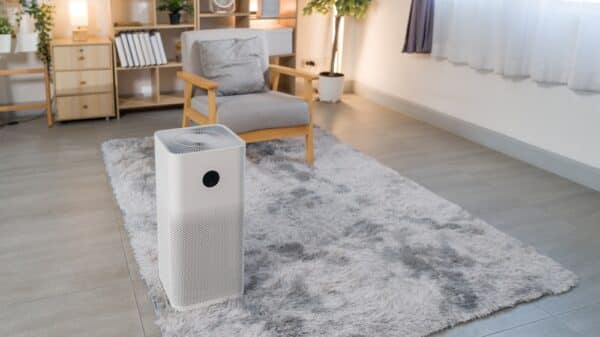



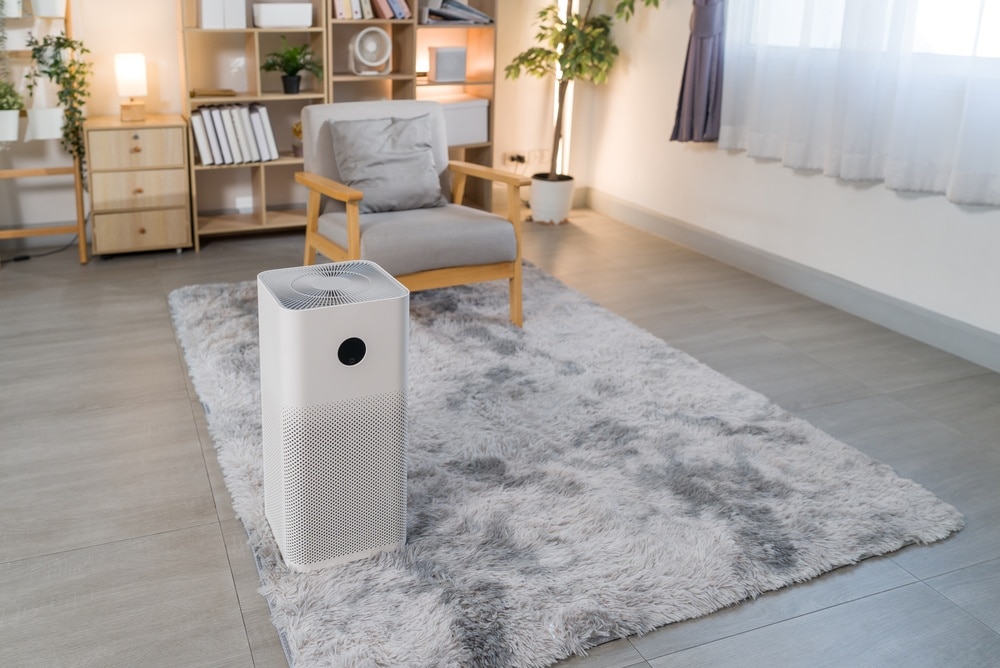
Most individuals spend the majority of their time inside, where a variety of pollutants can accumulate unnoticed. These contaminants stem from routine activities like cooking and cleaning, moisture buildup, chemical off-gassing from furniture, and pet dander, as well as outdoor air that enters through various openings. Because these sources are diverse, a single intervention is rarely sufficient. While air purifiers and filtration systems are helpful, they are most effective when integrated into a comprehensive strategy. A practical approach to managing indoor air involves identifying specific pollutants, minimizing their sources, ensuring safe ventilation, and using filtration as a targeted supplement.
The Environmental Protection Agency (EPA) highlights three primary methods for enhancing indoor air quality: controlling the source of pollution, improving ventilation, and utilizing air cleaning technologies. The most effective combination depends on the specific building environment, the current outdoor air quality, and the specific health requirements of the occupants.
Identifying the Types of Contaminants in Your Home
Particulate matter and smoke are common indoor issues, often generated by cooking, burning candles, using fireplaces, or tobacco products. Additionally, construction debris and outdoor smog can migrate indoors. Fine particles are particularly concerning because they can remain suspended in the air for extended periods and travel far from their point of origin. While visible dust is a clear sign of a problem, many microscopic particles remain invisible yet can still be inhaled deep into the lungs.
Biological contaminants include mold spores, seasonal pollen, dust mites, and pet allergens. These often thrive in environments with elevated humidity. Consequently, managing indoor moisture levels and maintaining a consistent cleaning schedule are the primary defenses against these biological triggers.
Gaseous pollutants and volatile organic compounds (VOCs) are frequently released by household items such as paints, cleaning agents, adhesives, and new carpeting or furniture. Furthermore, combustion appliances like water heaters, stoves, and furnaces can emit harmful gases. Carbon monoxide is a particularly dangerous gas that requires specialized detectors; it is important to understand that standard particle filters cannot remove carbon monoxide or neutralize most chemical odors.
Prioritizing Source Elimination and Reduction
According to expert guidance, the most efficient way to improve air quality is to remove or reduce the source of pollution. Simple, proactive steps can have a significant impact. These include utilizing exhaust fans in the kitchen and bathroom, storing chemicals in airtight containers or outdoor sheds, maintaining a smoke-free indoor environment, and ensuring all combustion-based appliances are professionally serviced. Addressing water leaks immediately is also vital to prevent mold growth.
For example, if a home suffers from persistent cooking smells or moisture on windows, the most direct solution is often to use the range hood more consistently and cover pots while boiling water. These behavioral changes often yield better results than relying on a filtration device alone. However, certain hazards—such as significant mold growth, lead, or asbestos—require the expertise of a qualified professional rather than a DIY approach.
Optimizing Air Exchange and Ventilation Techniques
Ventilation helps lower the concentration of indoor pollutants by diluting them with outdoor air. Opening windows is a traditional method, but it is only advisable when the outdoor air is clean and the weather and security conditions are favorable. Mechanical systems, such as properly installed exhaust fans and whole-home ventilation units, should be used and maintained according to the manufacturer’s specifications to ensure they function correctly.
It is crucial to recognize that bringing in outside air isn’t always beneficial. During events like wildfires or periods of high local smog, outdoor air can introduce more pollutants than it removes. Monitoring local air quality indexes before opening windows is a smart practice. While sealing a home for energy efficiency is beneficial, maintaining a controlled exchange of fresh air is necessary for a healthy living environment.
The Role of Air Cleaners and Filtration Systems
Portable air purifiers and HVAC filters serve as useful supplements to source control and ventilation, but they are not a replacement for them. To get the most out of filtration, consider these factors:
- Effective particle removal depends on using filters that are properly rated and correctly sized for the specific square footage of a room.
- Filters containing activated carbon can help reduce certain odors and gases, though their efficiency depends on the volume of carbon used.
- The volume of clean air delivered (CADR) must be sufficient for the space to ensure the air is being cycled frequently enough to make a difference.
- Regular maintenance is mandatory; a clogged or old filter will fail to capture pollutants and can even reduce the efficiency of your HVAC system.
When upgrading HVAC filters, ensure the system can handle the increased resistance of a higher-rated filter to avoid straining the motor. It is also important to remember that filtration does not address dust that has already settled on surfaces or underlying moisture issues.
Targeting Specific Air Quality Issues with Strategic Solutions
- Dampness and Mold: Fix plumbing leaks and use dehumidifiers to keep moisture levels in check.
- Cooking Emissions: Use high-quality exhaust hoods and improve airflow in the kitchen during meal preparation.
- Pollen and Wildfire Smoke: Keep windows closed during high-count days and utilize high-efficiency particle filtration.
- Pet Dander and Dust: Implement frequent vacuuming with HEPA-equipped cleaners and wash bedding regularly.
- Chemical Vapors: Remove the product from the living space or increase ventilation while the chemicals are in use.
- Carbon Monoxide Risks: Install dedicated CO alarms on every floor and evacuate the premises immediately if an alarm sounds.
Different situations require different responses, and while many issues can be handled with routine maintenance, structural problems or hazardous materials always require professional intervention.
Monitoring Progress and Assessing Air Quality Improvements
Identifying the root cause of an air quality issue is the first step toward a solution. It can be helpful to keep a brief log of when you notice odors or respiratory irritation, noting the weather, humidity, and any recent household activities. While consumer-grade air quality monitors can provide interesting data trends, they should be used as general guides rather than absolute diagnostic tools. If symptoms persist or if you suspect hidden contamination like mold within the walls, a professional environmental assessment is recommended.
Developing a Sustainable Indoor Air Maintenance Plan
- Perform regular inspections for moisture, gas leaks, and obvious dust collectors.
- Focus on source control as your primary defense by removing or isolating pollutants.
- Ventilate strategically, bringing in fresh air only when outdoor conditions are optimal.
- Keep up with the maintenance of HVAC systems, fans, and portable cleaners.
- Adopt a cleaning routine that addresses the specific pollutants found in your home.
- Periodically reassess your air quality strategy rather than simply adding more gadgets.
Summary: Creating a Comprehensive Approach to Clean Air
Improving the air inside your home is most successful when you apply a multi-layered strategy. Rather than relying on a single piece of equipment, focus on the synergy between source control, moisture management, and smart ventilation. By identifying specific triggers and addressing them at the source, you create a more sustainable and healthy environment. Start by making small, high-impact changes—such as fixing a leak or using an exhaust fan—and supplement these efforts with appropriate filtration to maintain long-term air quality.