




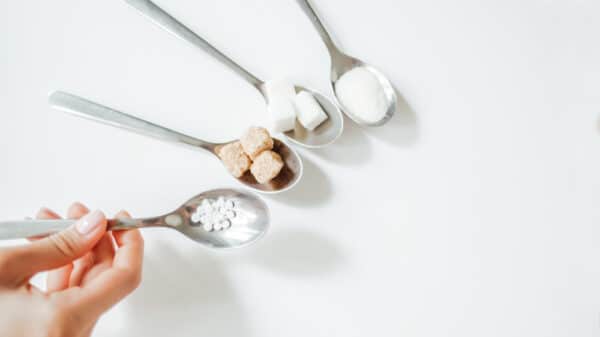















The evolution of dietary sweeteners has progressed through several distinct phases, moving from traditional caloric options to modern “rare sugars.” Initially, the food industry relied heavily on sucrose and high-fructose corn syrup. While these ingredients are cost-effective, they are linked to significant health challenges, including metabolic syndrome, dental cavities, type 2 diabetes, and obesity. To address these issues, a second generation of artificial sweeteners—such as saccharin, aspartame, and sucralose—emerged. Although these provided sweetness without the calories, research suggested they might negatively impact the gut microbiome and potentially disrupt glucose regulation. The third generation introduced sugar alcohols like xylitol and erythritol, which offer fewer calories but are often associated with digestive discomfort and laxative effects.
Defining Allulose: The Rise of Rare Sugars
We are now seeing the emergence of fourth-generation sweeteners, specifically rare sugars like allulose. Unlike previous iterations, these are natural compounds that provide a taste profile very similar to table sugar with minimal caloric impact. Allulose was historically referred to as “psicose,” a name derived from the antibiotic from which it was first isolated. While the industry emphasizes its status as a “natural” sugar, its modern production is quite complex. Although it exists in nature, mass-market allulose is often manufactured through advanced enzymatic engineering and the use of specific microorganisms to convert more common sugars into this rare form.
Regulatory Safety and Natural Presence
The U.S. Food and Drug Administration (FDA) has classified allulose as “generally recognized as safe” (GRAS). However, it is important to note that this initial safety designation was based on the consumption of very small quantities—amounts much lower than what is typically used in modern sugar-free products. In nature, allulose is found in limited amounts in certain foods, but it is also created as a byproduct when fructose is exposed to heat. This incidental creation occurs during the manufacturing of high-fructose corn syrup. Interestingly, some individuals may have sensitivities to it; for example, documented cases show that some people experience allergic reactions, such as hives, when consuming foods containing allulose formed during industrial processing.
Metabolic Benefits and Dental Health
From a health perspective, allulose offers several advantages over traditional sucrose. It is considered “tooth-friendly” because the bacteria in the mouth that typically cause plaque and acid do not appear to metabolize it. Furthermore, allulose does not trigger a rise in blood glucose levels, making it a potentially safer alternative for individuals managing diabetes. While it is often marketed as a zero-calorie sweetener, it technically contains about 1.5 calories per teaspoon. In terms of functionality, it provides approximately 70% of the sweetness of table sugar while mimicking its texture and performance in culinary applications.
Comparative Toxicity and Animal Studies
Current research categorizes allulose as a relatively non-toxic substance, especially when compared to other sweeteners like xylitol. Xylitol is notoriously dangerous for canines, where even small amounts can be life-threatening. In contrast, studies on dogs suggest that allulose is significantly better tolerated. In short-term trials, moderate doses did not produce toxic effects and even appeared to correlate with a reduction in cholesterol levels. This has led some researchers to investigate whether allulose could eventually play a role in weight management for pets, though long-term human data remains a primary focus of ongoing study.
Key Takeaways on Allulose Safety
Allulose represents a significant shift in the sweetener industry, offering a natural taste and texture without the metabolic drawbacks of traditional sugar or the gut-disrupting potential of some artificial alternatives. While it is naturally occurring and possesses “Generally Recognized as Safe” status, consumers should be aware that modern concentrations in processed foods far exceed the milligram amounts found in nature. Its benefits for dental health and blood sugar stability make it a compelling option, but as with any newer food technology, understanding personal tolerance levels is essential for its safe integration into a balanced diet.
Understanding the Digestive Tolerance of Allulose
While allulose is gaining popularity as a rare sugar alternative, it is important to understand its impact on the digestive system. Research into the maximum single dose that can be consumed without discomfort suggests that gastrointestinal issues typically remain absent until reaching a threshold of approximately 0.4 grams per kilogram of body weight. For an average adult, this translates to about seven teaspoons. Once consumption reaches roughly nine teaspoons in a single sitting, the risk of severe symptoms, such as diarrhea, increases significantly.
Why Allulose May Not Work for Soft Drinks
The digestive limits of allulose make it a challenging substitute for the high sugar content found in many commercial beverages. To put this in perspective, a standard 12-ounce can of cola contains approximately 10 teaspoons of sugar, and certain citrus-flavored sodas can contain nearly twice that amount. Because these quantities exceed the threshold for gastrointestinal distress, allulose is generally considered unsuitable as the sole sweetening agent for standard sugary drinks. Using it in such high concentrations would likely lead to immediate digestive discomfort for many consumers.
Daily Intake Guidelines and Symptom Management
Beyond single-dose limits, there is also a cumulative daily threshold to consider. When allulose is consumed in smaller amounts throughout the day, the body can handle a higher total volume, but there is still a ceiling. Once daily intake reaches approximately 17 teaspoons—adjusted for body weight—individuals often report more systemic side effects, including severe nausea, abdominal pain, headaches, and diarrhea.
To maintain digestive comfort, a prudent approach is to limit individual servings to roughly seven teaspoons and keep total daily consumption under 15 teaspoons. This presents a hurdle for the food industry, as the average American currently consumes about 17 teaspoons of added sugars daily. Replacing that entire amount with allulose could potentially lead to widespread sensitivity issues.
Comparing Allulose to Other Sugar Alternatives
In terms of digestive resilience, allulose performs similarly to xylitol. However, it offers less “room for error” than erythritol. For instance, an average-weight adult can often tolerate between 14 and 15 teaspoons of erythritol at one time without significant distress. While erythritol still may not be enough to fully sweeten a high-sugar soda without side effects, it provides more flexibility for smaller uses, such as sweetening a cup of tea or adding to breakfast fruit.
Despite these digestive considerations, allulose is categorized as a “fourth-generation” sweetener. These substances are noted for potentially offering functional health advantages beyond simple calorie reduction, which may distinguish them from older sugar alcohols and artificial sweeteners.
Summary: Key Takeaways for Using Allulose
Allulose is a promising sugar alternative, but it must be used mindfully to avoid gastrointestinal upset. For most people, staying below seven teaspoons in a single serving and 15 teaspoons for the entire day is the best way to prevent nausea and diarrhea. While it may not be the ideal choice for replacing the heavy sugar loads in soft drinks, its unique properties as a rare sugar make it a notable option for those looking to manage their sugar intake in smaller, controlled portions.