




















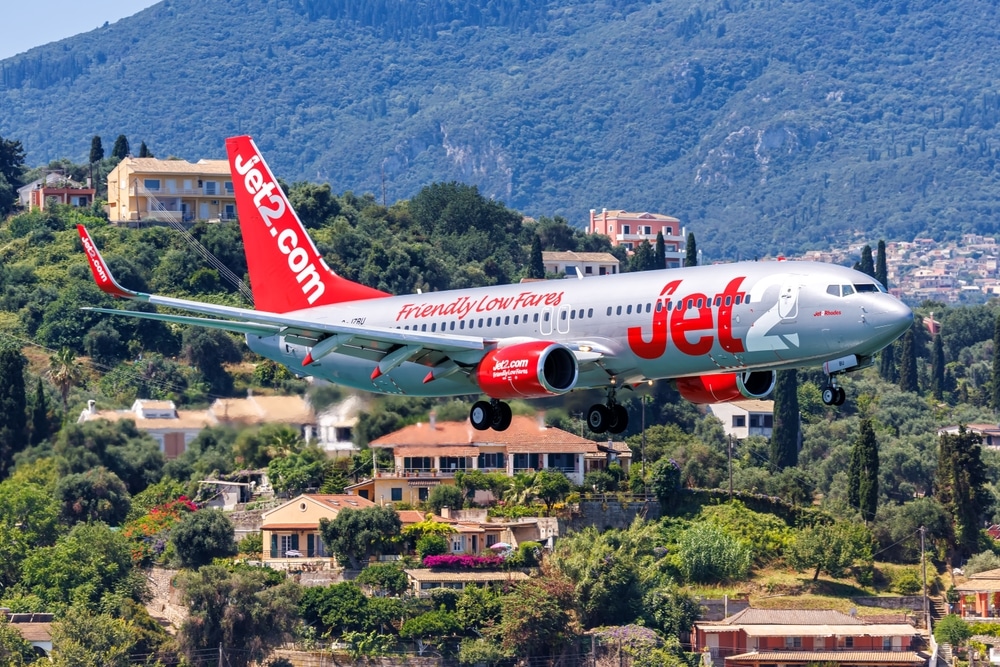
The recent surge in disruptive behavior aboard commercial flights has prompted a significant call for reform within the aviation industry. Jet2, a prominent British low-cost carrier, is currently spearheading a movement to establish a national database of unruly passengers. This initiative aims to ensure that individuals who compromise the safety and well-being of others on one airline are effectively barred from the entire U.K. aviation network. From a public health and safety perspective, this move addresses the growing psychological and physical risks posed by “air rage” incidents.
The catalyst for this renewed lobbying was a particularly volatile incident on a flight traveling from Antalya, Turkey, to London. The journey was cut short when a couple, traveling with two children, became aggressively disruptive. Reports indicate that the situation escalated from heavy alcohol consumption to a physical altercation. In the ensuing chaos, a passenger in her 60s was reportedly struck, and a fellow traveler who tried to de-escalate the situation was met with racial abuse. The pilot was forced to make an unscheduled emergency landing in Bulgaria to remove the family. Beyond the logistical nightmare, such incidents create a high-stress environment that can have lasting psychological effects on both the crew and the hundreds of passengers confined in the cabin.
Currently, the lack of data sharing between airlines allows a passenger banned by one carrier to simply book a ticket with a competitor the following day. Jet2’s proposal seeks to close this loophole. While the U.S. does not yet have a centralized commercial no-fly list for behavioral issues—the FBI’s list is reserved for national security threats—other regions are beginning to experiment with collaborative bans. In 2022, Dutch carriers KLM and Transavia began sharing data to enforce mutual five-year bans. Major U.S. carriers like Delta have expressed interest in similar collaborative efforts, supported by organizations like the Association of Flight Attendants-CWA, who view shared lists as an essential workplace safety measure.
Flight Fury
The phenomenon of “flight fury” is more than just a nuisance; it is a documented trend that peaked during the height of the pandemic. In 2021, the Federal Aviation Administration (FAA) recorded a staggering 5,973 incidents in the U.S. alone. While those numbers have receded—dropping to roughly 1,600 cases in 2025—they remain significantly higher than pre-2020 levels. From a behavioral health standpoint, the cabin environment acts as a pressure cooker: pressurized air, limited personal space, and the presence of alcohol can lower inhibitions and trigger aggressive outbursts in individuals already dealing with travel-related stress.
To combat this, the FAA maintains a zero-tolerance policy that can result in heavy fines and criminal prosecution. However, airlines are increasingly taking the lead on civil consequences. Because a single unscheduled diversion can cost an airline tens of thousands of dollars in fuel, landing fees, and passenger compensation, carriers are now suing disruptive individuals to recoup these losses. For example, Ryanair has implemented a standard fine of €500 ($580) for unacceptable behavior and frequently pursues legal action to recover the full costs associated with emergency landings.
The definition of “disruptive” is also expanding to protect the mental health and privacy of everyone on board. It is no longer just about physical violence. Many airlines now have strict policies against “loudcasting”—playing audio or video without headphones—and filming crew members without their explicit consent. British Airways and Ryanair have both updated their terms of carriage to reflect that unauthorized recording of personnel can lead to immediate removal or a permanent ban. These policies serve as a necessary boundary to protect the dignity and focus of the flight crew, whose primary role is to ensure the safety of the aircraft during an emergency.
Ultimately, the push for a national database represents a shift in how society views air travel. It is moving away from being seen as a private transaction between a passenger and a company toward being treated as a collective social environment where the health and safety of the group outweigh the convenience of the individual. As airlines continue to lobby for these measures, the message is clear: the privilege of flight is contingent upon maintaining a standard of conduct that respects the well-being of all those sharing the sky.